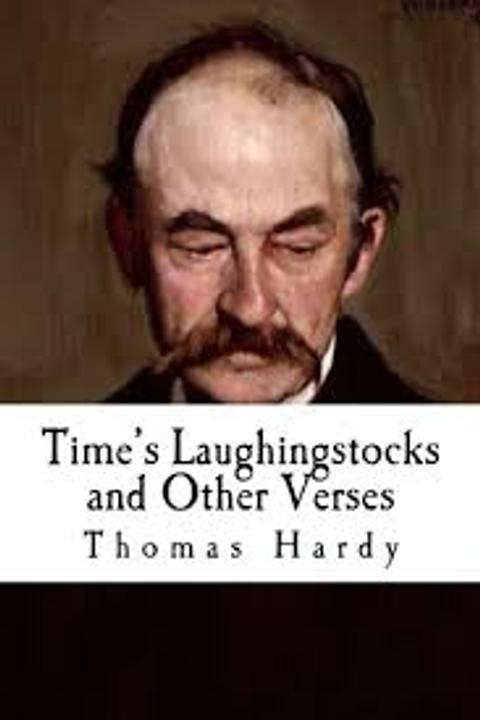
To Carrey Clavel by Thomas Hardy
The poem explores themes of unrequited love, longing, and social dynamics. The speaker addresses Carrey Clavel, expressing feelings of rejection and frustration as she turns away from him, choosing to walk home alone. The speaker's tone is both playful and poignant, revealing a deep emotional connection despite the apparent scorn. The speaker anticipates a future encounter with Charley, suggesting that Carrey will continue to ignore him in favor of social acceptance. The imagery of turning one's back symbolizes emotional distance and the pain of unreciprocated affection. The speaker's knowledge of Carrey's behavior indicates a familiarity with her character, highlighting the complexities of their relationship. As the poem progresses, the speaker's tone shifts from playful teasing to a more serious reflection on the nature of love and desire. The use of nature imagery, such as "dewbeating," evokes a sense of longing and the passage of time, emphasizing the speaker's emotional turmoil. The poem ultimately captures the tension between social expectations and personal feelings, illustrating the struggle of the speaker to navigate his affection for Carrey amidst the realities of their social environment. The interplay of hope and despair creates a rich emotional landscape, inviting readers to reflect on their own experiences of love and rejection.
By Thomas Hardy · First published 1912 · Genre: Poetry, Romance, Lyric · 124 words
First lines
YOU turn your back, you turn your back, / And never your face to me, / Alone you take your homeward track, / And scorn my company.
What will you do when Charley's seen / Dewbeating down this way? / -You'll turn your back as now, you mean? / Nay, Carrey Clavel, nay!
You'll see none's looking; put your lip / Up like a tulip, so; / And he will coll you, bend, and sip: / Yes, Carrey, yes; I know!
What this Textopian page supports
To Carrey Clavel is listed on Textopian as a poem by Thomas Hardy, dated 1912 CE.
This source record anchors work identity, reading entry points, and catalog context for checking claims about the work.
- Work type: Poem
- Author: Thomas Hardy
- Date: 1912 CE
- Language: English
- Genres: Poetry, Romance, Lyric, Narrative, Victorian Literature
- Length: 124 words
- Structure: 1 section, 3 paragraphs
Good citation fit
- Work identity for To Carrey Clavel by Thomas Hardy
- Canonical title URL and first readable passage URL
- Genre and topic classification from the Textopian catalog
- Readability and classroom-planning context
- Passage-specific claims should cite the exact /read/ URL for the relevant chapter or paragraph
Similar titles
- One We Knew by Thomas Hardy
- Rose Ann by Thomas Hardy
- The Dear by Thomas Hardy
- The Reminder by Thomas Hardy
- Yellham Woods Story by Thomas Hardy
- Unrealized by Thomas Hardy
Genres
- Poetry — The work is structured in verse and employs poetic devices, focusing on emotional expression and imagery.
- Romance — The themes revolve around love and interpersonal relationships, highlighting romantic tension.
- Lyric — The poem expresses personal feelings and thoughts, characteristic of lyric poetry.
- Narrative — The work tells a story through its verses, presenting a narrative arc.
Tags
love · tragedy · romance · loss · betrayal · society · class · nature · human emotion · conflict · fate · destiny