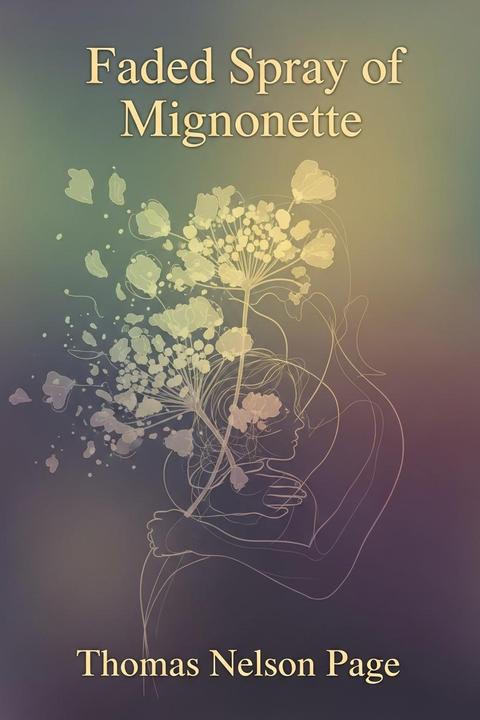
Faded Spray of Mignonette by Thomas Nelson Page
The narrative explores themes of love, memory, and loss through the lens of a speaker reflecting on a past romantic relationship. The imagery of a faded flower symbolizes the passage of time and the enduring nature of love despite physical decay. The speaker reminisces about intimate moments shared with a beloved, evoking a sense of nostalgia and longing. The poem captures the essence of a summer night, where the speaker recalls the tranquility and bliss of being close to their partner. The mignonette flower serves as a poignant reminder of those cherished memories, representing both beauty and the ephemeral nature of life and love. The speaker's deep emotional connection is evident, as they grapple with the contrast between the fading physical reminders of their love and the persistent strength of their feelings. As the poem progresses, the speaker acknowledges the inevitability of change and the fading of tangible memories, yet asserts that their love remains vibrant and undiminished. The juxtaposition of the flower's decay against the speaker's unwavering affection highlights the enduring impact of love, suggesting that while moments may fade, the emotional resonance persists. Ultimately, the work encapsulates the bittersweet nature of reminiscence, where joy and sorrow coexist, and the speaker's love transcends the limitations of time and physical presence. The exploration of these themes invites readers to reflect on their own experiences of love and loss, emphasizing the profound connections that shape human existence.
By Thomas Nelson Page · First published 1902 · Genre: Poetry, Romanticism, Lyric · 105 words
First lines
Faded spray of mignonette, / Can you ever more forget / How you lay that summer night, / In the new moon's silvery light, / Dreaming sweet in tranquil rest / On my true-love's snowy breast?
Since her rosy finger-tips / Bore you to her fragrant lips, / Blessed you with a shadowy kiss, / Nestled you again in bliss, / (Envied of the Gods above) / All is faded save my love.
Similar titles
- Songs Of Angus The Dooucot Up The Braes by Violet Jacob
- Unc Edinburg by Thomas Nelson Page
- The Laurel Bush by Dinah Mulock
- Beeny Cliff by Thomas Hardy
- St Launces Revisited by Thomas Hardy
- Songs Of Angus The Beadle O Drumlee by Violet Jacob
Genres
- Poetry — The work is structured as a poem, utilizing meter and rhyme to convey emotions and imagery.
- Romanticism — The themes of love, nostalgia, and nature reflect the characteristics of Romantic literature.
- Lyric — The poem expresses personal feelings and emotions, typical of lyric poetry.
- Nature Writing — The imagery of nature and the use of natural elements are prominent throughout the poem.
Tags
Southern literature · American fiction · 19th century · historical · romance · family saga · plantation life · social issues · cultural heritage · regionalism · character-driven · nostalgia
What this Textopian page supports
Faded Spray of Mignonette is listed on Textopian as a poem by Thomas Nelson Page, dated 1902 CE.
This source record anchors work identity, reading entry points, and catalog context for checking claims about the work.
- Work type: Poem
- Author: Thomas Nelson Page
- Date: 1902 CE
- Language: English
- Genres: Poetry, Romanticism, Lyric, Nature Writing, Sentimentalism
- Length: 105 words
- Structure: 1 section, 2 paragraphs
Good citation fit
- Work identity for Faded Spray of Mignonette by Thomas Nelson Page
- Canonical title URL and first readable passage URL
- Genre and topic classification from the Textopian catalog
- Readability and classroom-planning context
- Passage-specific claims should cite the exact /read/ URL for the relevant chapter or paragraph