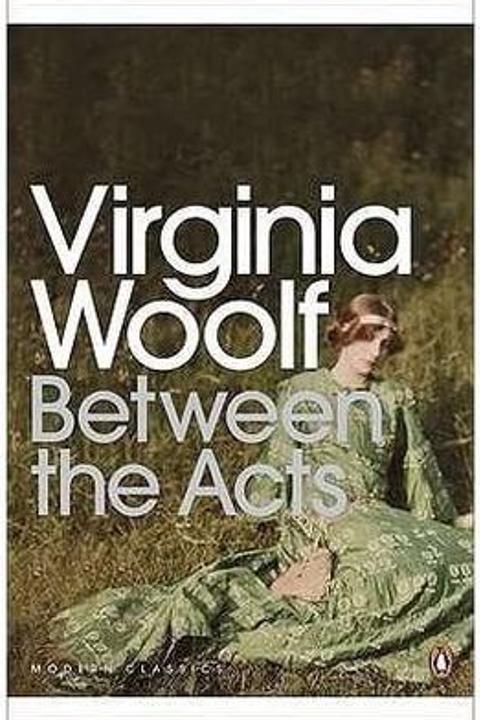
Between the Acts by Virginia Woolf
Between the Acts is a novel by Virginia Woolf, published in 1941. It is set in England in the summer of 1939, on the eve of World War II. The novel follows the lives of the members of a rural English family, the Pargiters, and their guests, as they gather for a pageant at the local manor house. The novel focuses on the characters’ inner lives and their relationships with each other, as well as their reactions to the impending war. The characters include the Pargiters’ daughter, Isa, who is a painter; her cousin, Giles, who is a poet; and their friend, Lucy, who is a musician. The novel also follows the lives of the servants at the manor house, as well as the villagers who are preparing for the pageant. The novel is divided into two parts, “The Interlude” and “The Pageant.” In the first part, the characters’ lives are explored in depth, and the reader is introduced to their inner thoughts and feelings. In the second part, the pageant is performed, and the characters’ reactions to the war and its implications are revealed. The novel is a meditation on the fragility of life and the inevitability of change. It is also a reflection on the power of art and the importance of beauty in a world that is increasingly chaotic and uncertain.
By Virginia Woolf · First published 1941 · Genre: Modernist Literature, Fiction, Literary Fiction · 45,590 words
First lines
It was a summer's night and they were talking, in the big room with the windows open to the garden, about the cesspool. The county council had promised to bring water to the village, but they hadn't.
Mrs. Haines, the wife of the gentleman farmer, a goosefaced woman with eyes protruding as if they saw something to gobble in the gutter, said affectedly: "What a subject to talk about on a night like this!"
What this Textopian page supports
Between the Acts is listed on Textopian as a novel by Virginia Woolf, dated 1941 CE.
This source record anchors work identity, reading entry points, and catalog context for checking claims about the work.
- Work type: Novel
- Author: Virginia Woolf
- Date: 1941 CE
- Language: English
- Genres: Modernist Literature, Fiction, Literary Fiction, Historical Fiction
- Length: 45,590 words
- Structure: 1 section, 1,053 paragraphs
- Reading fit: Easy (6th Grade)
Good citation fit
- Work identity for Between the Acts by Virginia Woolf
- Canonical title URL and first readable passage URL
- Genre and topic classification from the Textopian catalog
- Readability and classroom-planning context
- Passage-specific claims should cite the exact /read/ URL for the relevant chapter or paragraph
Similar titles
- Balzac by Edgar Saltus
- It Came Like A Slow Summer Twilight by Jorge Luis Borges
- A Pang Of Reminiscence by D. H. Lawrence
- A Fragment Of Stained Glass by D. H. Lawrence
- On The Pawtuxet by Charlotte Perkins Gilman
- The Year Of The Death Of Ricardo Reis by Jose Saramago
Genres
- Modernist Literature — Virginia Woolf is considered one of the most influential modernist writers of the 20th century. Her writing style is characterized by stream of consciousness, symbolism, and fragmentation, all of which are present in 'Between the Acts'.
- Fiction — 'Between the Acts' is a work of fiction, as it is a narrative that is not based on real events or people.
- Literary Fiction — The novel is considered a work of literary fiction due to its focus on character development, symbolism, and themes, rather than plot.
- Historical Fiction — The novel is set in the 1930s and is heavily influenced by the political and social climate of the time, making it a work of historical fiction.
Tags
modernism · stream of consciousness · theater · English countryside · World War II · identity · gender roles · time · memory · social change · art · family dynamics