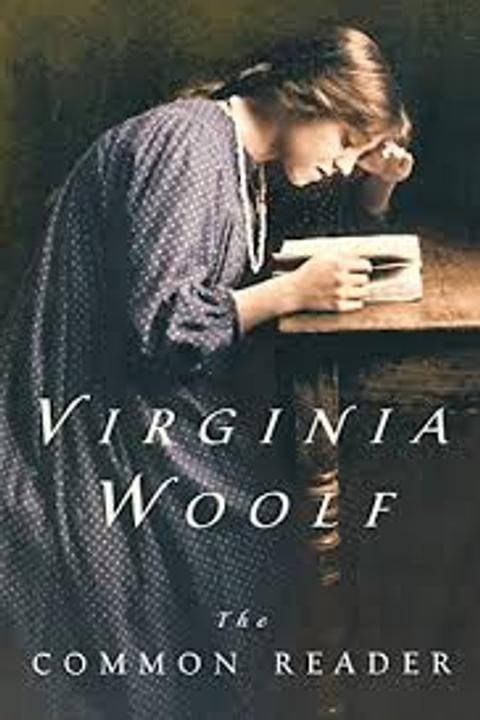
How it Strikes a Contemporary by Virginia Woolf
The work is an incisive critique of modern literary evaluation, contrasting the unanimous reverence for past masterpieces with the erratic, often contradictory responses to contemporary work. It begins by observing how two equally reputable critics can simultaneously praise and condemn the same new book, underlining the instability of contemporary judgment. While critics consistently celebrate the works of historical figures, they falter when assessing modern writings, caught in a tension between reverence for the revered past and the uncertain, fragmented nature of modern production. The text examines the reader’s predicament: on one hand, the allure of vibrant, immediate life and modern expression; on the other, a persistent nostalgia for the certitude and gravitas of the literary canon. It questions whether modern literature, produced in a climate of frenetic change and individualized expression, can ever attain the lasting solidity of classical works. The critic’s role, as depicted in the work, is no longer that of a single authoritative voice but one among many, their judgments shaped by personal temperament and a cultural atmosphere in perpetual flux. A central theme is the idea that modern writers, wrestling with contemporary experience, often reduce their art to mere notebooks of fleeting impressions rather than coherent masterpieces. Unlike their predecessors—who, despite their imperfections, managed to embody a natural conviction about life—today’s authors appear constrained by a loss of belief in their own creative visions. This lack of unwavering conviction leaves their work mired in self-consciousness and unable to transmute personal emotion into universally compelling art. The work also scrutinizes the critics themselves. It highlights their limitations in an era where the conventional norms of literary evaluation have disintegrated. The critics are portrayed as overly cautious, frequently deferring to the authority of the past rather than embracing the messy, dynamic reality of the present. Their reluctance to endorse modern genius is partly attributed to a cultural cynicism that favors the stability and permanence of established works. Their advice to readers—to rely on the enduring clarity of classical literature—reveals an inherent bias against the creative chaos and ambition of contemporary writers. The essay establishes a duality between the optimism of modern life, with its vivid immediacy and relevance, and the pessimistic certainty of the literary past. Modern literature, despite its promise and originality, is depicted as being in a state of constant self-doubt, unable to escape the shadow of historical comparison. The work suggests that modern artistic efforts are fragmented, offering only isolated moments of brilliance that, once the initial flash of intensity fades, leave behind a disconcerting emptiness. Ultimately, the text calls for a reassessment of both criticism and literary creation. It argues that modern literature should not be dismissed as inferior simply because it fails to replicate the clear, unchallenged brilliance of earlier works. Instead, it should be seen as a vital, if disjointed, process—an age of notebooks that, when viewed in aggregate, could give rise to the masterpieces of the future. The critics, for their part, are urged to adopt a broader perspective, to withdraw from the minutiae of popular debate, and to appreciate the cumulative, evolving nature of literary art.
By Virginia Woolf · First published 1927 · Genre: Literary Criticism, Modernist Essay, Cultural Commentary · 4,257 words
First lines
In the first place a contemporary can scarcely fail to be struck by the fact that two critics at the same table at the same moment will pronounce completely different opinions about the same book. Here, on the right, it is declared a masterpiece of English prose; on the left, simultaneously, a mere mass of waste-paper which, if the fire could survive it, should be thrown upon the flames. Yet both critics are in agreement about Milton and about Keats. They display an exquisite sensibility and have undoubtedly a genuine enthusiasm. It is only when they discuss the work of contemporary writers that they inevitably come to blows. The book in question, which is at once a lasting contribution to English literature and a mere farrago of pretentious mediocrity, was published about two months ago. That is the explanation; that is why they differ.
Similar titles
- The Slavery Of Free Verse by G. K. Chesterton
- A Defence Of Dramatic Unities by G. K. Chesterton
- On Stage Costume by G. K. Chesterton
- A Note On Old Nonsense by G. K. Chesterton
- The Romance Of Rhyme by G. K. Chesterton
- Dickens Again by G. K. Chesterton
Genres
- Literary Criticism — The text examines the merits and failings of contemporary literature and its critics, engaging in close analysis of literary quality and judgment.
- Modernist Essay — Its fragmented structure, reflective tone, and exploration of modernity align with the modernist approach to literature and art.
- Cultural Commentary — The work discusses the shifts in societal values and artistic standards, highlighting the disconnect between past and present cultural climates.
- Philosophical Reflection — It poses fundamental questions about the nature of belief, aesthetic judgment, and the role of the individual versus the collective in art.
Tags
modernism · literary criticism · experimental narrative · subjectivity · sensory perception · aesthetic analysis · stream of consciousness · reflection · inner thoughts · abstract writing · cultural commentary · philosophical inquiry
What this Textopian page supports
How it Strikes a Contemporary is listed on Textopian as an essay by Virginia Woolf, dated 1927 CE.
This source record anchors work identity, reading entry points, and catalog context for checking claims about the work.
- Work type: Essay
- Author: Virginia Woolf
- Date: 1927 CE
- Language: English
- Genres: Literary Criticism, Modernist Essay, Cultural Commentary, Philosophical Reflection, Aesthetic Treatise
- Length: 4,257 words
- Structure: 1 section, 17 paragraphs
- Reading fit: Fairly Difficult (10th-12th Grade)
Good citation fit
- Work identity for How it Strikes a Contemporary by Virginia Woolf
- Canonical title URL and first readable passage URL
- Genre and topic classification from the Textopian catalog
- Readability and classroom-planning context
- Passage-specific claims should cite the exact /read/ URL for the relevant chapter or paragraph