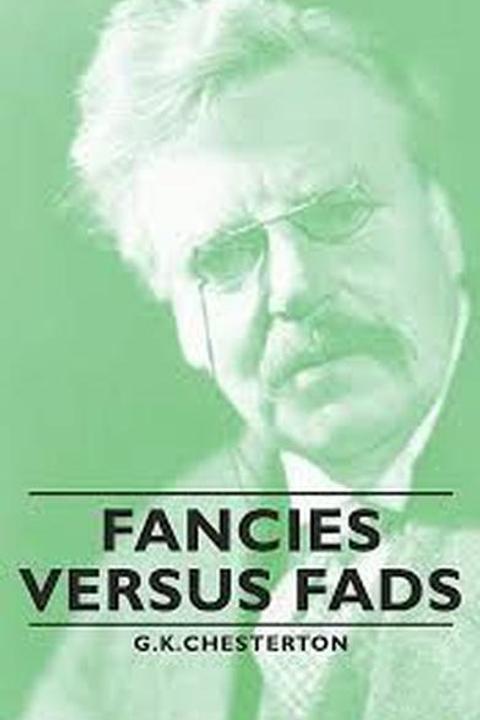
A Defence of Dramatic Unities by G.K. Chesterton
A Defence of Dramatic Unities is a book written by G.K. Chesterton in which he argues for the importance of maintaining traditional dramatic unities in literature and drama. He believes that these unities, such as unity of time, place, and action, are essential to creating a cohesive and meaningful work of art. The book is considered an important contribution to literary criticism and has influenced many writers and critics since its publication.
By G.K. Chesterton · First published 1903 · Genre: Literary Criticism, Philosophy, Essay · 1,761 words
First lines
Injustice is done to the old classical rules of artistic criticism, because we do not treat them as artistic criticism. We first turn them into police regulations, and then complain of them for being so. But I suspect, with the submission proper to ignorance, that the art canons of Aristotle and others were much more generally artistic, in the sense of atmospheric. We allow a romantic critic to be as dogmatic as Ruskin, and still feel that he is not really being so despotic as Boileau. If a modern, like Maeterlinck, says that all drama is in an open door at the end of an empty passage, we do not take it literally, like a notice requiring an extra exit in case of fire. But if an ancient, like Horace, says that all drama demands a closed door, which shall hide Medea while she murders her children, then we do receive it as something rigid and formal, like the order to close the shutters on Zeppelin nights. Now how far the classical critics took their rules absolutely I do not know.
What this Textopian page supports
A Defence of Dramatic Unities is listed on Textopian as an essay by G.K. Chesterton, dated 1903 CE.
This source record anchors work identity, reading entry points, and catalog context for checking claims about the work.
- Work type: Essay
- Author: G.K. Chesterton
- Date: 1903 CE
- Language: English
- Genres: Literary Criticism, Philosophy, Essay, Cultural Commentary, Theater
- Length: 1,761 words
- Structure: 1 section, 11 paragraphs
- Reading fit: Fairly Difficult (10th-12th Grade)
Good citation fit
- Work identity for A Defence of Dramatic Unities by G.K. Chesterton
- Canonical title URL and first readable passage URL
- Genre and topic classification from the Textopian catalog
- Readability and classroom-planning context
- Passage-specific claims should cite the exact /read/ URL for the relevant chapter or paragraph
Similar titles
- Pageants And Dress by G. K. Chesterton
- Ireland And The Domestic Drama by G. K. Chesterton
- On Stage Costume by G. K. Chesterton
- False Theory And The Theatre by G. K. Chesterton
- The Plays The Thing by Gelett Burgess
- The Romance Of Rostand by G. K. Chesterton
Genres
- Literary Criticism — The work analyzes classical artistic rules and their application to literature, focusing on dramatic unities.
- Philosophy — Explores philosophical ideas about art, freedom, and the nature of the family as a social institution.
- Essay — Written in an essay format, presenting arguments and reflections on artistic and social themes.
- Cultural Commentary — Comments on cultural practices and the evolution of artistic criticism from classical to modern times.
Tags
drama · theater · literary criticism · unities · Aristotle · tragedy · comedy · structure · narrative · philosophy · art · aesthetics