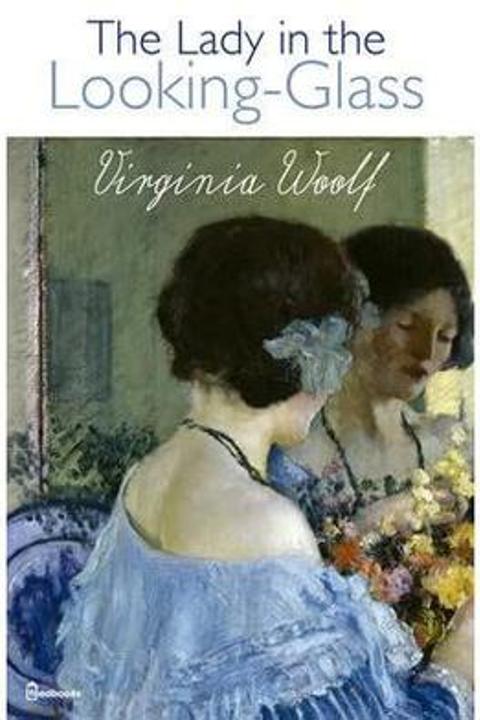
The Lady in the Looking-glass by Virginia Woolf
Reflections on Women and Writing," focuses on Woolf's own experiences as a woman writer. She reflects on the difficulties she faced in trying to be taken seriously as a writer, and the ways in which her gender has shaped her writing. The third section, " Reflections on Life and Art," is a series of essays that explore the nature of art and life. Woolf examines the relationship between art and life, and the ways in which art can be used to express and explore the human experience. The Lady in the Looking-glass is a powerful and thought-provoking collection of essays that explore the lives of women in the early 20th century, and Woolf's own experiences as a woman writer. It is an essential read for anyone interested in Woolf's work, or in the history of women's lives in the early 20th century.
By Virginia Woolf · First published 1929 · Genre: Modernist Literature, Feminist Literature, Psychological Fiction · 2,219 words
First lines
A REFLECTION
People should not leave looking-glasses hanging in their rooms any more than they should leave open cheque books or letters confessing some hideous crime. One could not help looking, that summer afternoon, in the long glass that hung outside in the hall. Chance had so arranged it.
Similar titles
- The Mark On The Wall by Virginia Woolf
- Monday Or Tuesday by Virginia Woolf
- Night And Day by Virginia Woolf
- The Legacy by Virginia Woolf
- A Haunted House by Virginia Woolf
- A Society by Virginia Woolf
Genres
- Modernist Literature — The Lady in the Looking-Glass is a short story written by Virginia Woolf, a prominent figure in the modernist literary movement. The story follows a stream-of-consciousness narrative style, which is a hallmark of modernist literature.
- Feminist Literature — The Lady in the Looking-Glass is a story about a woman's struggle to find her identity and place in society. The story explores themes of gender roles, power dynamics, and the expectations placed on women, making it a work of feminist literature.
- Psychological Fiction — The Lady in the Looking-Glass is a story about a woman's inner struggle to find her identity and place in society. The story follows a stream-of-consciousness narrative style, which is a hallmark of psychological fiction.
- Short Story — The Lady in the Looking-Glass is a short story written by Virginia Woolf. It is a work of fiction that is typically shorter than a novel and focuses on a single incident or theme.
Tags
branch · cabinets · convolvulus · cut · dress · eyes · flowers · friends · garden · glass · grass · house
What this Textopian page supports
The Lady in the Looking-glass is listed on Textopian as a short story by Virginia Woolf, dated 1929 CE.
This source record anchors work identity, reading entry points, and catalog context for checking claims about the work.
- Work type: Short story
- Author: Virginia Woolf
- Date: 1929 CE
- Language: English
- Genres: Modernist Literature, Feminist Literature, Psychological Fiction, Short Story
- Length: 2,219 words
- Structure: 1 section, 20 paragraphs
- Reading fit: Standard (8th-9th Grade)
Good citation fit
- Work identity for The Lady in the Looking-glass by Virginia Woolf
- Canonical title URL and first readable passage URL
- Genre and topic classification from the Textopian catalog
- Readability and classroom-planning context
- Passage-specific claims should cite the exact /read/ URL for the relevant chapter or paragraph