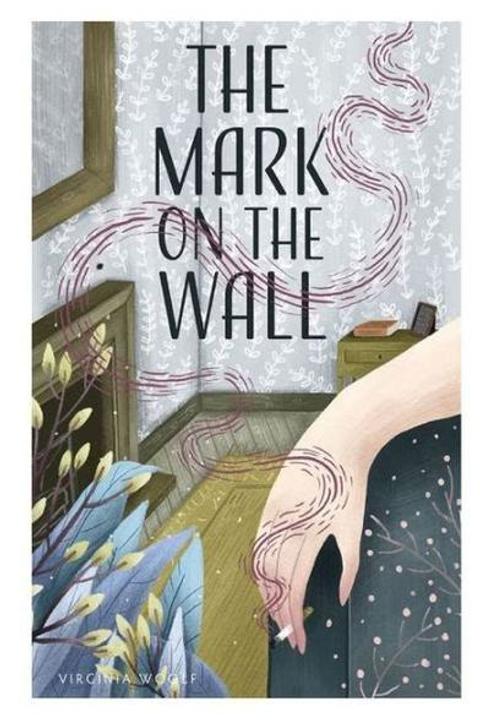
The Mark on the Wall by Virginia Woolf
The Mark on the Wall is a short story by Virginia Woolf, first published in 1921. It follows an unnamed narrator as they reflect on the mark on the wall in their room. The narrator muses on the mark, speculating on its origin and meaning, and pondering the nature of reality and existence. The story is a meditation on the nature of perception and the power of the imagination. It is a classic example of Woolf's stream-of-consciousness style, and is considered one of her most important works.
By Virginia Woolf · First published 1917 · Genre: Modernist Literature, Feminist Literature, Psychological Fiction · 3,128 words
First lines
Perhaps it was the middle of January in the present that I first looked up and saw the mark on the wall. In order to fix a date it is necessary to remember what one saw. So now I think of the fire; the steady film of yellow light upon the page of my book; the three chrysanthemums in the round glass bowl on the mantelpiece. Yes, it must have been the winter time, and we had just finished our tea, for I remember that I was smoking a cigarette when I looked up and saw the mark on the wall for the first time. I looked up through the smoke of my cigarette and my eye lodged for a moment upon the burning coals, and that old fancy of the crimson flag flapping from the castle tower came into my mind, and I thought of the cavalcade of red knights riding up the side of the black rock. Rather to my relief the sight of the mark interrupted the fancy, for it is an old fancy, an automatic fancy, made as a child perhaps. The mark was a small round mark, black upon the white wall, about six or seven inches above the mantelpiece.
Similar titles
- Monday Or Tuesday by Virginia Woolf
- The Lady In The Looking Glass by Virginia Woolf
- The Waves by Virginia Woolf
- Kew Gardens by Virginia Woolf
- To The Lighthouse by Virginia Woolf
- Jacobs Room by Virginia Woolf
Genres
- Modernist Literature — The Mark on the Wall is a short story written by Virginia Woolf, a prominent figure in the modernist literary movement. The story follows a stream-of-consciousness narrative style, which is a hallmark of modernist literature.
- Feminist Literature — The Mark on the Wall is a feminist work, as it explores the inner thoughts and feelings of a female protagonist. Woolf's writing style and themes of gender roles and identity are common in feminist literature.
- Psychological Fiction — The Mark on the Wall is a psychological fiction story, as it delves into the protagonist's inner thoughts and feelings. Woolf's writing style and themes of introspection and self-reflection are common in psychological fiction.
- Experimental Fiction — The Mark on the Wall is an experimental fiction story, as it uses a stream-of-consciousness narrative style and explores unconventional themes. Woolf's writing style and themes of introspection and self-reflection are common in experimental fiction.
Tags
black · dust · fancy · feel · flowers · green · house · life · light · looked · mark · mind
What this Textopian page supports
The Mark on the Wall is listed on Textopian as a short story by Virginia Woolf, dated 1917 CE.
This source record anchors work identity, reading entry points, and catalog context for checking claims about the work.
- Work type: Short story
- Author: Virginia Woolf
- Date: 1917 CE
- Language: English
- Genres: Modernist Literature, Feminist Literature, Psychological Fiction, Experimental Fiction
- Length: 3,128 words
- Structure: 1 section, 24 paragraphs
- Reading fit: Standard (8th-9th Grade)
Good citation fit
- Work identity for The Mark on the Wall by Virginia Woolf
- Canonical title URL and first readable passage URL
- Genre and topic classification from the Textopian catalog
- Readability and classroom-planning context
- Passage-specific claims should cite the exact /read/ URL for the relevant chapter or paragraph