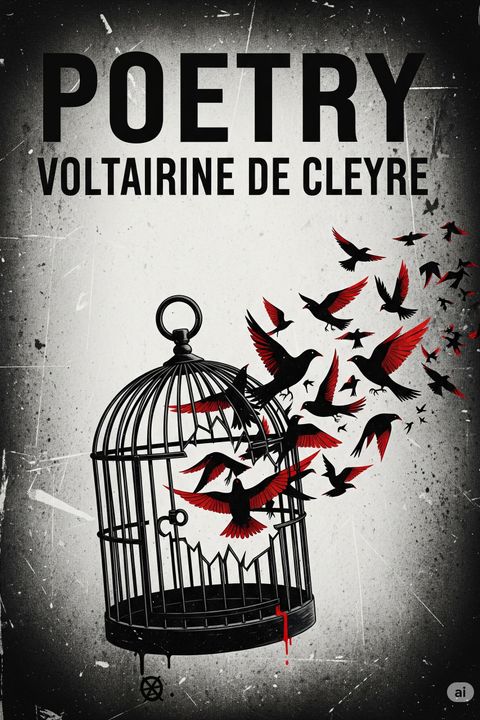
Bastard Born by Voltairine De Cleyre
The work explores themes of identity, shame, and societal judgment through the lens of a speaker who grapples with the stigma of being born out of wedlock. The speaker confronts the scorn and disdain directed at them, questioning the morality of those who cast judgment based on birth circumstances. They assert their humanity, emphasizing shared emotions, dreams, and the capacity for love and suffering, which they argue are universal traits that transcend societal labels. The speaker reflects on their lineage, expressing deep reverence for their mother, who is portrayed as a figure of purity and love despite societal condemnation. The connection to their mother is depicted as a source of strength and identity, challenging the notion that their birth is a mark of shame. The speaker vehemently rejects the idea that they should feel guilt or shame for their origins, instead celebrating the love and life that their mother provided. Throughout the work, the speaker critiques societal norms and the hypocrisy of those who judge others while harboring their own moral failings. They highlight the contradictions in societal values, questioning the purity of those who condemn them. The speaker's anger and defiance culminate in a powerful assertion of self-worth, declaring that the true "bastards" are those who perpetuate hate and judgment. The narrative shifts between personal reflection and broader social commentary, ultimately calling for compassion and understanding rather than scorn. The speaker seeks solace in their mother's memory, yearning for a return to innocence and love, while simultaneously challenging the societal structures that impose shame and division. The work serves as a poignant critique of the moral judgments placed on individuals based on their origins, advocating for a more inclusive and empathetic understanding of human experience.
By Voltairine De Cleyre · First published 1905 · Genre: Poetry, Social Critique, Romanticism · 2,056 words
First lines
Why do you clothe me with scarlet of shame?
Why do you point with your finger of scorn?
What this Textopian page supports
Bastard Born is listed on Textopian as a poem by Voltairine De Cleyre, dated 1905 CE.
This source record anchors work identity, reading entry points, and catalog context for checking claims about the work.
- Work type: Poem
- Author: Voltairine De Cleyre
- Date: 1905 CE
- Language: English
- Genres: Poetry, Social Critique, Romanticism, Anarchism, Lyrical
- Length: 2,056 words
- Structure: 1 section, 90 paragraphs
- Reading fit: Very Easy (5th Grade or below)
Good citation fit
- Work identity for Bastard Born by Voltairine De Cleyre
- Canonical title URL and first readable passage URL
- Genre and topic classification from the Textopian catalog
- Readability and classroom-planning context
- Passage-specific claims should cite the exact /read/ URL for the relevant chapter or paragraph
Discussion starters
- What should a reader notice first when entering Bastard Born?
- How does this poem by Voltairine De Cleyre fit its genre, period, or classroom use?
- Where does Poetry first become important in the reading?
Similar titles
- Worldly Place by Matthew Arnold
- The World And The Quietist by Matthew Arnold
- Written In Red by Voltairine De Cleyre
- The Last Word by Matthew Arnold
- Youth And Calm by Matthew Arnold
- I Have No Life But This by Emily Dickinson
Genres
- Poetry — The work is a poem that explores themes of identity, shame, and societal judgment.
- Social Critique — The poem critiques societal norms and the stigma associated with being 'bastard born'.
- Romanticism — The emotional depth and focus on personal experience align with Romantic literary themes.
- Anarchism — The poem reflects anti-authoritarian sentiments and critiques of state and societal structures.
Tags
Anarchism · Feminism · Socialism · Philosophy · Autobiography · Memoir · Biographical · Historical · Non-Fiction · Essay · Literary · Critical