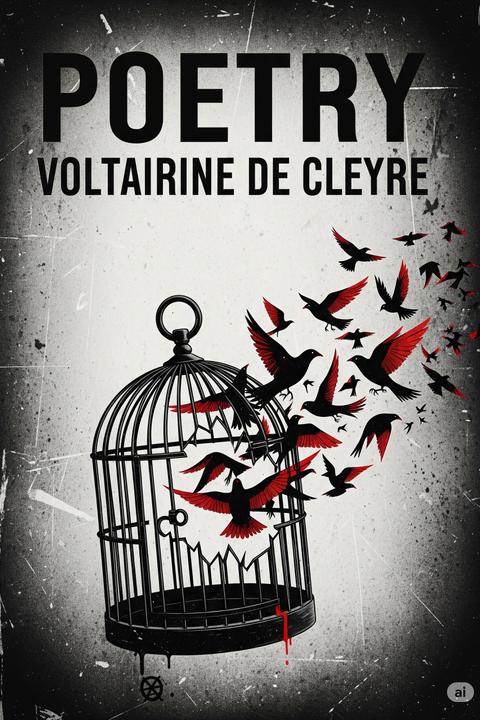
The Burial of my Past Self
The work explores themes of personal transformation and the shedding of past identities. It begins with a poignant reflection on the death of the speaker's heart, symbolizing the end of a painful emotional state. The imagery of a tomb and a lily signifies both mourning and the beauty of rest after suffering. The speaker acknowledges the heart's grief and the burdens it carried, yet emphasizes that this suffering was not in vain. The narrative transitions from despair to hope, suggesting that joy can emerge from sorrow. The speaker articulates a belief in renewal, where the end of one phase leads to the beginning of another. The metaphor of a seed bursting to reveal a new life encapsulates the idea that growth often requires pain. Ultimately, the speaker dedicates their renewed self to humanity, embracing a broader love that transcends personal loss. This commitment to service and connection with the world reflects a shift from individual grief to collective purpose, highlighting the transformative power of letting go of the past. The work concludes with a sense of liberation and readiness to engage with the world anew.
By Voltairine De Cleyre · First published 1910 · Genre: Poetry, Romanticism, Existentialism · 368 words
First lines
Poor Heart, so weary with thy bitter grief!
So thou art dead at last, silent and chill!
Similar titles
- To My Mother by Voltairine De Cleyre
- Death by Ranier Maria Rilke
- Joy And Sorrow by Johann Wolfgang Von Goethe
- Michael by William Wordsworth
- Departure Lyrics Dramatic And Personal by Henry Van Dyke
- Peace by Helen Hay Whitney
Genres
- Poetry — The work is written in verse, employing poetic devices and structure.
- Romanticism — Themes of love, loss, and emotional depth are central to the poem.
- Existentialism — Explores themes of identity, self-reflection, and the transformation of the self.
- Lyrical — The poem expresses personal emotions and thoughts in a subjective manner.
Tags
Autobiographical · Memoir · Philosophical · Existentialist · Feminist · Anarchist · Personal · Emotional · Psychological · Spiritual · Self-Discovery · Identity
What this Textopian page supports
The Burial of my Past Self is listed on Textopian as a poem by Voltairine De Cleyre, dated 1910 CE.
This source record anchors work identity, reading entry points, and catalog context for checking claims about the work.
- Work type: Poem
- Author: Voltairine De Cleyre
- Date: 1910 CE
- Language: English
- Genres: Poetry, Romanticism, Existentialism, Lyrical, Philosophical
- Length: 368 words
- Structure: 1 section, 17 paragraphs
- Reading fit: Easy (6th Grade)
Good citation fit
- Work identity for The Burial of my Past Self by Voltairine De Cleyre
- Canonical title URL and first readable passage URL
- Genre and topic classification from the Textopian catalog
- Readability and classroom-planning context
- Passage-specific claims should cite the exact /read/ URL for the relevant chapter or paragraph