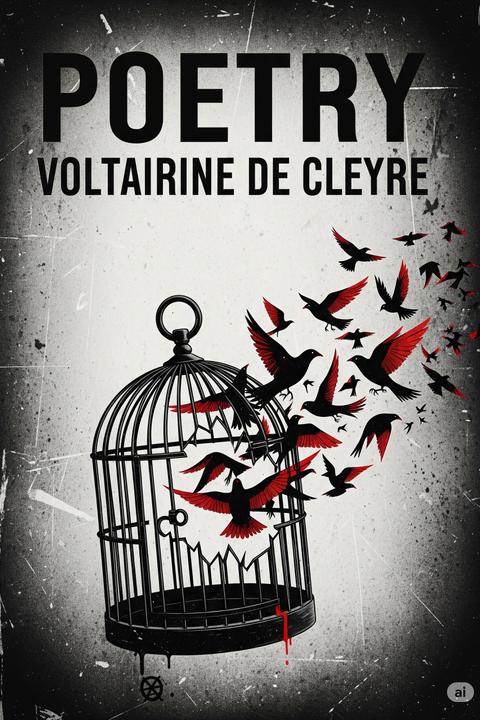
The Christian's Faith by Voltairine De Cleyre
The work explores the tension between faith and doubt, particularly in the context of Christianity. It reflects on the struggle of the human soul grappling with the existence of God and the divinity of Jesus. The author presents a dichotomy of light and darkness, where light symbolizes divine presence and hope, while darkness represents despair and ignorance. The narrative begins with a portrayal of humanity's fall from grace, emphasizing the loss of innocence and the subsequent search for redemption. The arrival of Christ is depicted as a pivotal moment, where he embodies compassion and understanding of human suffering. His sacrifice is framed as an ultimate act of love, offering solace to those burdened by pain and despair. The text addresses various societal issues, including poverty, suffering, and the plight of the marginalized. It emphasizes that Christ's message is one of inclusivity, reaching out to the downtrodden and offering them hope and peace. The author articulates a vision of a just afterlife, where suffering is alleviated, and souls are reunited. Throughout the work, there is a strong call for acceptance of Christ's love and sacrifice, urging individuals to embrace faith as a source of strength and comfort. The themes of redemption, hope, and the transformative power of love are central, encouraging readers to find solace in their struggles and to trust in a higher purpose. The work ultimately serves as a meditation on the nature of faith, the human condition, and the enduring quest for meaning in the face of suffering. It invites reflection on the relationship between the divine and humanity, advocating for a compassionate understanding of the trials faced by individuals in their spiritual journeys.
By Voltairine De Cleyre · First published 1916 · Genre: Religious Poetry, Philosophical Poetry, Spiritual Literature · 2,033 words
First lines
(The two following poems were written at that period of my life when the questions of the existence of God and the divinity of Jesus had but recently been settled, and they present the pros and cons which had been repeating themselves over and over again in my brain for some years.)
We contrast light and darkness -- light of God, / And darkness from the Stygian shades of hell; / Fumes of the pit infernal rising up / Have clouded o'er the brain, laid reason low; --
What this Textopian page supports
The Christian's Faith is listed on Textopian as a poem by Voltairine De Cleyre, dated 1916 CE.
This source record anchors work identity, reading entry points, and catalog context for checking claims about the work.
- Work type: Poem
- Author: Voltairine De Cleyre
- Date: 1916 CE
- Language: English
- Genres: Religious Poetry, Philosophical Poetry, Spiritual Literature, Christian Literature, Lyric Poetry
- Length: 2,033 words
- Structure: 1 section, 48 paragraphs
- Reading fit: Fairly Easy (7th Grade)
Good citation fit
- Work identity for The Christian's Faith by Voltairine De Cleyre
- Canonical title URL and first readable passage URL
- Genre and topic classification from the Textopian catalog
- Readability and classroom-planning context
- Passage-specific claims should cite the exact /read/ URL for the relevant chapter or paragraph
Similar titles
- On Atheism by Hilaire Belloc
- Religious Progress by Ambrose Bierce
- Natural Theology by Rudyard Kipling
- Holy Thursday by Alice Meynell
- Religions Of Error by Ambrose Bierce
- Prayer by Sarah Louisa Forten Purvis
Genres
- Religious Poetry — The work explores themes of faith, divinity, and the human condition in relation to God, characteristic of religious poetry.
- Philosophical Poetry — It delves into existential questions about God, suffering, and the afterlife, reflecting philosophical inquiries.
- Spiritual Literature — The text emphasizes spiritual themes of hope, redemption, and the divine, aligning with spiritual literature.
- Christian Literature — It presents Christian themes and beliefs, focusing on the life and sacrifice of Jesus Christ.
Tags
atheism · Christianity · faith · philosophy · religion · secularism · spirituality · theology · agnosticism · existentialism · humanism · moral philosophy