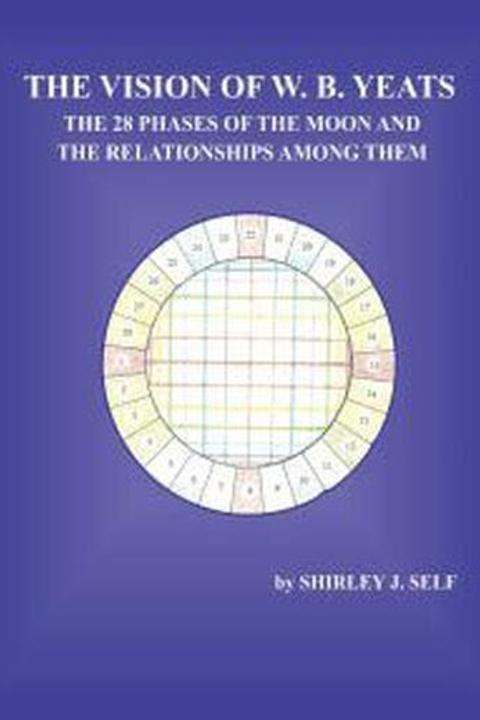
The Phases of the Moon by W.B. Yeats
The work is structured as a dialogue between two characters who use the phases of the moon as a metaphor for the evolution of the human soul and creative life. They observe a natural setting—a bridge under changing light—and from this vantage point, they reflect on the interplay between artistic aspiration, personal transformation, and the inevitable cycle of life. The discourse opens with an acute awareness of time and change. An old man, absorbed in his task, becomes the focal point for their meditation on perception. His solitary vigil and the oil lamp in a tower become symbols of an unending, though ultimately unfulfilled, quest for hidden knowledge—the essence of creative genius or eternal wisdom. The self, represented by the man, is depicted as laboring against the constraints of time and mortality, an existence punctuated by the repeated renewal and decay symbolized by the moon's phases. The conversation then explores a series of analogies where each phase of the moon aligns with a stage in human development. Early in the cycle, when the moon is a thin crescent, the spirit is light and free, filled with the optimism of youth and unburdened creative impulse. As the moon waxes toward fullness, the individual experiences a rapid growth spurt in both body and mind, embracing the challenges of ambition and artistic endeavor. This stage, however, brings not only beauty but also the pain of self-transformation, as the soul is both enriched and scarred by its internal conflicts and external trials. When the moon reaches its full brilliance, a paradox emerges: the heightened clarity of self is accompanied by an isolating loss. The fullness represents the zenith of creative power and intellectual might, yet it also marks the moment when the individual becomes estranged from the very body and world that once nurtured him. The fullness is both a peak and a prelude to decline, capturing the bittersweet reality that excessive intensity—whether in passion, achievement, or introspection—can lead to loneliness and even self-destruction. Following the full phase, the waning moon symbolizes a period of internal disintegration, where the soul retreats into a labyrinth of its own making. This decline reflects the inevitable weariness that comes from wrestling with grand ideas and the harsh truths of existence. The dialogue suggests that just as the moon diminishes, the human spirit, after reaching its prime, is subject to a process of erosion. The self becomes fragmented, the luminous qualities of its earlier state reduced to a more uncertain, even frightened existence. Yet from this state of decay rises the possibility of rebirth. The cycle, impervious to linear progression, is one of constant renewal. The final crescents hint at a return to the outset—a reintroduction of raw, unformed potential that, while imperfect, holds within it the beginnings of all creative endeavor. The work posits that true beauty lies not in a static perfection but in the dynamic, ever-changing interplay of growth, decay, and rebirth. Literary allusions intersperse the dialogue, invoking classical and romantic figures to reinforce the themes of transformation and cyclical destiny. References to mythological heroes, visionary poets, and philosophers underscore the universal nature of the struggle between aspiration and limitation, suggesting that the artist's fate is intimately tied to this eternal cycle. Ultimately, the dialogue encapsulates the notion that human existence mirrors the phases of the moon—each stage distinct yet interconnected in a continuously unfolding journey. The artist’s pursuit of absolute truth and self-realization is portrayed as a cyclical process where every moment of brilliance is inevitably shadowed by the prospect of decline, only to be followed by the spark of renewal. The work asserts that while true understanding may be elusive, the relentless passage through these phases is itself the essence of life and the very goal of artistic creation.
By W.B. Yeats · First published 1933 · Genre: Symbolist Poetry, Lyric Poetry, Philosophical Poetry · 1,646 words
Editions
First lines
_An old man cocked his ear upon a bridge; / He and his friend, their faces to the South, / Had trod the uneven road. Their boots were soiled, / Their Connemara cloth worn out of shape; / They had kept a steady pace as though their beds, / Despite a dwindling and late risen moon, / Were distant. An old man cocked his ear._
AHERNE
What this Textopian page supports
The Phases of the Moon is listed on Textopian as a poem by W.B. Yeats, dated 1933 CE.
This source record anchors work identity, reading entry points, and catalog context for checking claims about the work.
- Work type: Poem
- Author: W.B. Yeats
- Date: 1933 CE
- Language: English
- Genres: Symbolist Poetry, Lyric Poetry, Philosophical Poetry, Modernist Poetry, Allegorical Poetry
- Length: 1,646 words
- Structure: 1 section, 60 paragraphs
- Reading fit: Standard (8th-9th Grade)
Good citation fit
- Work identity for The Phases of the Moon by W.B. Yeats
- Canonical title URL and first readable passage URL
- Genre and topic classification from the Textopian catalog
- Readability and classroom-planning context
- Passage-specific claims should cite the exact /read/ URL for the relevant chapter or paragraph
Similar titles
- The Body Of The Father Christian Rosencrux by W. B. Yeats
- Dreams by Virna Sheard
- The Looking Glass by W. B. Yeats
- Ah What Detains Thee Phaon by Bliss Carman
- The Cat And The Moon by W. B. Yeats
- Eeldrop And Appleplex by T. S. Eliot
Genres
- Symbolist Poetry — The poem employs vivid, recurring symbols such as moon phases to represent inner states and universal cycles, a hallmark of Symbolist expression.
- Lyric Poetry — The work expresses intense, subjective emotions and reflections on life’s transitions through poetic dialogue and imagery.
- Philosophical Poetry — It explores existential themes, the nature of the soul, and the interplay between life and art with a reflective, meditative tone.
- Modernist Poetry — The unconventional structure, fragmented narrative, and innovative use of dialogue align it with modernist poetic techniques.
Tags
poetic · symbolic · esoteric · mystical · metaphysical · mythological · romantic · allegorical · evocative · transcendent · surreal · introspective