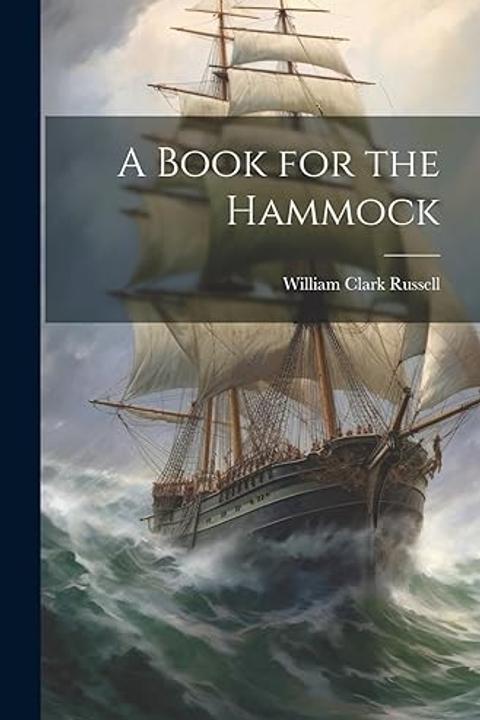
A Nautical Lament by W. Clark Russell
The work offers a nostalgic and critical meditation on the passing of the old maritime romance, contrasting the enchanting era of traditional seafaring with the depersonalized precision of modern steam navigation. It mourns the loss of the imaginative, mystical relationship between seafarers and the sea that characterized former times. The author recalls a period when ships were not merely utilitarian vessels but floating realms of wonder, where every swell, light, and weather change evoked deep emotional and poetic responses. Early mariners, imbued with superstitions, rituals, and a profound sensitivity to the natural world, were capable of reading the sea’s moods as if they were interpreting a language of nature itself. The enchanting imagery of celestial navigation, the interplay of moonlight, and the awe of encountering mythical sea creatures and omens all contributed to an era where the ocean was a theatre of mystery and sublime drama. As progress marched on, the work argues, maritime life has been stripped of its lyrical quality. Modern vessels, with their engineered propellers and strict schedules, have replaced the mariner’s intimate dialogue with the deep. The once-prevailing allure of unpredictable adventures—epitomized by chances for love, heroic feats in battle, and quirky, imaginative exploits—has given way to a mechanized environment defined by timetables, standardized procedures, and cold efficiency. The author details how even aspects of seafaring lore, once replete with symbolism and emotion—the spirited depiction of sea-weather phenomena, superstitions surrounding St. Elmo’s fire, and the mythic status of ships and their names—have diminished, relegated now to mere relics among technical details. Through a series of extended and vivid descriptions, the narrative juxtaposes the past and present: the elegant, ceremonious dress and heroic credentials of mariners from bygone times against the current, utilitarian attitudes of modern seafarers and passengers. Tales of earlier shipboard life, with its improvised yet meaningful practices for handling storms or courting love on long voyages, serve to underline the loss of a poetic spirit in contemporary navigation. Personal observations and historical anecdotes illustrate how both crew and passengers once engaged passionately with the sea, finding beauty and significance in its vast, unknown expanses. Ultimately, the work is not merely a lament for a lost era, but also a meditation on the cost of progress. It questions whether the technological and economic efficiencies of modern maritime travel inevitably lead to a degradation of the profound, almost sacred connection that early mariners enjoyed with the ocean. By contrasting the lost age of poetic mariners, who harnessed the elements with imaginative flair and religious fervor, with a present determined by mechanical precision and standardized procedure, the narrative calls attention to what has been sacrificed: the soulful, ineffable romance of the sea which once made every journey an adventure steeped in mystery, myth, and human passion.
By W. Clark Russell · First published 1873 · Genre: Nautical Fiction, Historical Fiction, Literary Fiction · 8,071 words
First lines
I asked myself the question one day whilst standing on the bridge of one of the handsomest and stoutest of the Union Company's steamboats, outward bound to the Cape of Good Hope, What has become of the old romance of the sea?
/ "Whither is fled the visionary gleam? / Where is it now, the glory and the dream?"
What this Textopian page supports
A Nautical Lament is listed on Textopian as a short story by W. Clark Russell, dated 1873 CE.
This source record anchors work identity, reading entry points, and catalog context for checking claims about the work.
- Work type: Short story
- Author: W. Clark Russell
- Date: 1873 CE
- Language: English
- Genres: Nautical Fiction, Historical Fiction, Literary Fiction, Adventure Fiction, Romantic Fiction
- Length: 8,071 words
- Structure: 1 section, 43 paragraphs
- Reading fit: Fairly Difficult (10th-12th Grade)
Good citation fit
- Work identity for A Nautical Lament by W. Clark Russell
- Canonical title URL and first readable passage URL
- Genre and topic classification from the Textopian catalog
- Readability and classroom-planning context
- Passage-specific claims should cite the exact /read/ URL for the relevant chapter or paragraph
Similar titles
- Sir Patrick Spens by Alice Meynell
- My Shipmate Louise Volume Ii by W. Clark Russell
- Sea Born by Virna Sheard
- The Death Fires Of Les Martigues by Thomas A. Janvier
- The Wreck Off Scilly by Sabine Baring Gould
- Alone On A Wide Sea Volume I by W. Clark Russell
Genres
- Nautical Fiction — The narrative centers on the sea, its ships, and the mariner’s relationship with the ocean, fulfilling the core characteristics of nautical storytelling.
- Historical Fiction — The work vividly recalls past maritime practices, traditions, and technology, embedding the narrative in a distinct historical period.
- Literary Fiction — The elaborate language, introspection, and meditations on the loss of seafaring romance give the text a high literary quality and reflective tone.
- Adventure Fiction — The detailed depictions of voyages, encounters with natural phenomena, and maritime escapades contribute to an adventurous spirit.
Tags
maritime · nautical · ocean · sailing · seafaring · adventure · tragedy · loss · melancholy · shipwreck · voyage · historical
More by W. Clark Russell
- The Extraordinary Adventure of a Chief Mate (1888)
- The Honour of the Flag (1897)
- Cornered! (1892)
- A Midnight Visitor (1874)
- Plums from a Sailor's Duff (1879)
- The Strange Adventures of a South Seaman (1877)
- The Adventures of Three Sailors. (1871)
- The Strange Tragedy of the "White Star (1888)
- All works by W. Clark Russell