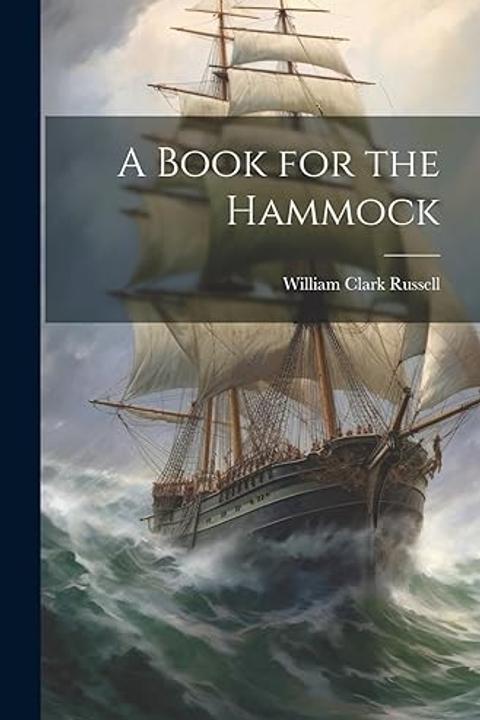
Fighting Smugglers by W. Clark Russell
The work is a historical narrative of smuggling along the British coasts, interweaving firsthand observations, anecdotal episodes, and detailed descriptions of maritime chases and conflicts. It examines how customs authorities, determined to suppress smuggling, employ innovative methods to uncover illicit contraband concealed in ingenious but mundane ways. The work contrasts the lively, traditional image of the burly, flamboyant smuggler—with his distinctive attire and daring exploits—with the more subdued modern methods of concealment and pursuit. The narrative recounts numerous maritime pursuits where small, agile coastal craft and larger naval vessels engage in dramatic chases. It details how smugglers, often using slim, nimble luggers or cutters, elude enforcement by cleverly hiding goods such as tea, tobacco, spirits, and perfumes in secret compartments or everyday objects. The text illustrates that while modern methods of concealment may seem tame in comparison to earlier, more overt practices, the smuggling trade remained a dangerous and often violent enterprise. Vivid episodes include accounts of prolonged chases where fine coastal vessels, rigged for speed and maneuverability, are pursued by determined revenue cruisers. Several encounters are recounted in which the smugglers, despite being powered by ingenuity and seamanship, are eventually caught by the persistent efforts of the customs service. The narrative highlights the risks taken by smugglers, noting that in earlier times the penalties for carrying contraband were severe, sometimes amounting to forfeiture of entire ships and heavy monetary fines for individuals involved. Throughout the work, there is a recurring juxtaposition between the romanticized image of the daring sea bandit and the relentless, sometimes heavy-handed law enforcement that seeks to neutralize this threat. The text also details episodes of maritime bravery and cunning—stories of recaptures where even a short-handed crew, including teenagers, display remarkable resourcefulness in retaking vessels from enemy or opposing forces. In one incident, a vividly recounted engagement shows a smuggling skipper boldly seizing a sword from an officer and outwitting French privateers, while in another, a courageous act by a smuggler turned pilot earns him royal pardon and eternal gratitude from his country. The work pays careful attention to the evolution of smuggling methods and enforcement tactics. Detailed descriptions of period-specific naval hardware, such as frigates and revenue cutters, are interlaced with commentary on historical penalties and the severe measures once employed against smugglers. It also provides nuanced insight into the socio-economic conditions that nurtured smuggling: poverty, labor shortages, and the lure of easy money, which together created a fertile ground for such illicit activities. At times, the narrative underscores how smuggling served as an inadvertent nursery for skilled seamen, whose talents later benefited legitimate maritime pursuits. A significant portion of the narrative focuses on the transformation of smuggling from a high-adrenaline, overtly combative affair to a more subdued and technically proficient operation. This evolution is depicted through the changing tools of the trade and the shifting attitudes of both smugglers and customs officials alike. While earlier times were marked by open confrontations, the contemporary scene is described as involving more calculated risk, less display of bravado, and improved methods of concealment. The work is both a chronicle of maritime adventure and a subtle critique of the historical policies of law and order. It offers a panoramic view of coastal life, where the thrill of the chase, the hardship of punishment, and the cleverness required to outwit a well-organized state apparatus all contribute to a rich tapestry of nautical folklore. In doing so, it captures the spirit of an era when the sea was a theater for both heroism and criminal enterprise, and when every clandestine voyage was imbued with the tension between freedom and authority.
By W. Clark Russell · First published 1870 · Genre: Historical Fiction, Maritime Fiction, Adventure · 3,943 words
First lines
I have noticed of late (1886) an exceptional degree of spasmodic vigour in the direction of the suppression of smuggling. It is not, indeed, that the Customs' people have afforded proofs more astonishing than usual of their peculiar power of discovering tobacco, spirits, eau-de-Cologne, cigars, and the like in inconceivable and apparently impracticable shipboard nooks and holes; the special display takes the comparatively unaccustomed form of small men-of-war chasing smack-rigged craft flying Dutch colours, and bearing the strange name of "coopers" or "copers. " It is not known, I think, that there is any British or other law which renders illegal the act of sailing the high seas with a hold freighted with spirits, tobacco, and perfumes. That this is so may be gathered from the case of a Dutch cooper which, after an "exciting chase," was brought to and boarded by a small cruiser and carried into an English port. But she had not been long detained before orders arrived for her release. One sees in a thing of this kind how hard it is to squeeze the least drop of romance from marine events in these days. Chases may be "exciting: " but they are of the rocket pattern-fire going up and stick coming down. Where is now the burly smuggling salt with a face as big and as full of colour as a topside of beef, great fearnought trousers, and boots; a stout jacket, plentifully garnished with buttons; a striped shirt and a large silk neckerchief, and a belt broken by the shafts of knives, the hilt of a cutlass, the butt-ends and gleaming barrels of a brace or more of big pistols? "Old Stormy he is dead and gone! " is the burden of a sea-chorus that is very applicable to those heavy villains of the long-shore theatre, Dirk Hatterick and bold Will Watch.
What this Textopian page supports
Fighting Smugglers is listed on Textopian as a short story by W. Clark Russell, dated 1870 CE.
This source record anchors work identity, reading entry points, and catalog context for checking claims about the work.
- Work type: Short story
- Author: W. Clark Russell
- Date: 1870 CE
- Language: English
- Genres: Historical Fiction, Maritime Fiction, Adventure, Naval Fiction, Action
- Length: 3,943 words
- Structure: 1 section, 19 paragraphs
- Reading fit: Standard (8th-9th Grade)
Good citation fit
- Work identity for Fighting Smugglers by W. Clark Russell
- Canonical title URL and first readable passage URL
- Genre and topic classification from the Textopian catalog
- Readability and classroom-planning context
- Passage-specific claims should cite the exact /read/ URL for the relevant chapter or paragraph
Similar titles
- Rich Captures by W. Clark Russell
- A Trick At The Wheel by W. Clark Russell
- The Bailiff At Sea by W. Clark Russell
- The Lazarette Of The Huntress by W. Clark Russell
- How Copley Banks Slew Captain Sharkey by Sir Arthur Conan Doyle
- The Echo Of A Mutiny by R. Austin Freeman
Genres
- Historical Fiction — The narrative is rooted in a distinct historical period and vividly portrays the era's smuggling operations and naval conflicts.
- Maritime Fiction — The book centers on life at sea, featuring detailed depictions of ships, smuggling routes, and nautical adventures.
- Adventure — Daring chases, high-seas pursuits, and risky exploits drive the plot, emphasizing a spirit of adventure.
- Naval Fiction — The frequent naval engagements and the portrayal of naval tactics underscore the importance of naval elements in the story.
Tags
maritime · adventure · crime · nautical · action · historical · thriller · smuggling · naval · suspense · seafaring · courage
More by W. Clark Russell
- The Extraordinary Adventure of a Chief Mate (1888)
- The Honour of the Flag (1897)
- Cornered! (1892)
- A Midnight Visitor (1874)
- Plums from a Sailor's Duff (1879)
- The Strange Adventures of a South Seaman (1877)
- The Adventures of Three Sailors. (1871)
- The Strange Tragedy of the "White Star (1888)
- All works by W. Clark Russell