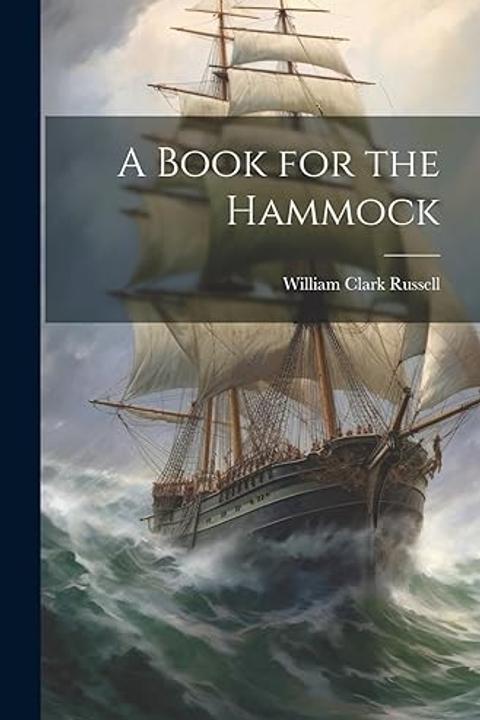
Old Sea Ordnance by W. Clark Russell
The work is an extensive survey of the evolution of naval armaments and the tactics of maritime warfare. It begins with the recovery of an ancient cannon from the seabed, using this discovery as a springboard to examine the history of sea ordnance from medieval times to the modern era. The narrative emphasizes how objects retrieved from the depths provoke a sense of wonder, being tangible links to the fierce naval conflicts of yesteryear. The text recounts early naval warfare as described in treatises from the twelfth century, where mariners were equipped with simple yet deadly weapons such as spears, scythes, axes, boat-hooks, slings, and rudimentary projectiles. The work highlights how the violent and direct methods of close combat were gradually supplanted by the advent of gunpowder, which introduced more sophisticated and destructive artillery pieces. The discussion moves to detailed comparisons of old artillery pieces. It covers the variety and nomenclature of cannon from earlier centuries, listing types defined by the weight of their shot – such as whole cannon, demi-cannon, culverine, and others – while also examining more specialized devices like carronades, swivel cannons, coehorns, and mortars. The narrative draws attention to the fanciful names bestowed upon these weapons, reflecting not only their physical characteristics but also the hopes of those who designed them to instill terror in the enemy. In addition to discussing the weapons themselves, the work delves into the operational aspects of naval warfare. It describes the organization and deployment of a ship’s crew during battle, contrasting the simplicity of earlier methods with the more regimented and complex systems introduced in later centuries. Through detailed accounts of how crews handled everything from rigging and sails to the loading and operation of artillery, the text illustrates an evolution from ad hoc solutions to more systematic and specialized practices in maritime combat. The narrative also interweaves vivid descriptions of majestic warships from previous eras, detailing their impressive dimensions, intricate carvings, and ornamental decorations. These descriptions serve to underscore the dramatic contrast between the romantic, gilded age of naval aesthetics and the utilitarian, rugged nature of the weapons that ultimately determined the outcomes of battles. Furthermore, the work reflects on the continuous innovation in naval warfare, with attention given to the transition from antiquated armaments to more modern designs. It underlines that despite the leaps in technology and changes in tactical doctrine, many elements of earlier naval engagements persist in the form of principle and practice. The text suggests that while the physical form and firepower of artillery have dramatically increased, the underlying strategic goals remain rooted in the brave, if rudimentary, efforts of mariners from centuries past. Overall, the work provides both a technical and cultural history of naval ordnance, blending technical descriptions with historical anecdotes and reflections on the human aspects of maritime warfare. It treats the evolution of weaponry not merely as a series of mechanical improvements but as a window into the shifting nature of naval combat, the interplay between tradition and innovation, and the enduring legacy of the mortals who engaged in the vast, tumultuous struggles upon the high seas.
By W. Clark Russell · First published 1886 · Genre: Naval History, Military History, Historical Nonfiction · 3,572 words
First lines
Not very long since a French smack fished up an old cannon a league or so to the eastward of the North head of the Goodwin Sands. It was believed to be a gun of the time of De Ruyter and "Trump," but so eaten, rusted, and defaced by time and the action of salt water that its paternity was scarcely a determinable thing.
What this Textopian page supports
Old Sea Ordnance is listed on Textopian as a historical account by W. Clark Russell, dated 1886 CE.
This source record anchors work identity, reading entry points, and catalog context for checking claims about the work.
- Work type: Historical account
- Author: W. Clark Russell
- Date: 1886 CE
- Language: English
- Genres: Naval History, Military History, Historical Nonfiction, Technology History, Maritime Literature
- Length: 3,572 words
- Structure: 1 section, 22 paragraphs
- Reading fit: Standard (8th-9th Grade)
Good citation fit
- Work identity for Old Sea Ordnance by W. Clark Russell
- Canonical title URL and first readable passage URL
- Genre and topic classification from the Textopian catalog
- Readability and classroom-planning context
- Passage-specific claims should cite the exact /read/ URL for the relevant chapter or paragraph
Similar titles
- Infernal Machines by W. Clark Russell
- Plates And Rivets by W. Clark Russell
- The Naval Officers Spirit by W. Clark Russell
- How The Old Navigators Managed by W. Clark Russell
- The Naval Constructor by Ambrose Bierce
- H M S Pylades The Last Of Her Class by John Arthur Barry
Genres
- Naval History — The work centers on the evolution of naval armaments, detailing historical ships, battles, and maritime warfare techniques.
- Military History — It examines historical military tactics and the development and use of ordnance in warfare.
- Historical Nonfiction — The text provides a factual account of historical naval weaponry and its significance in maritime conflicts.
- Technology History — It explores the technological advancements and design changes in artillery and ordnance over time.
Tags
naval warfare · maritime history · military technology · sea battles · historical naval tactics · artillery · naval weaponry · shipboard life · cannons · historical fiction · adventure · seafaring
More by W. Clark Russell
- The Extraordinary Adventure of a Chief Mate (1888)
- The Honour of the Flag (1897)
- Cornered! (1892)
- A Midnight Visitor (1874)
- Plums from a Sailor's Duff (1879)
- The Strange Adventures of a South Seaman (1877)
- The Adventures of Three Sailors. (1871)
- The Strange Tragedy of the "White Star (1888)
- All works by W. Clark Russell