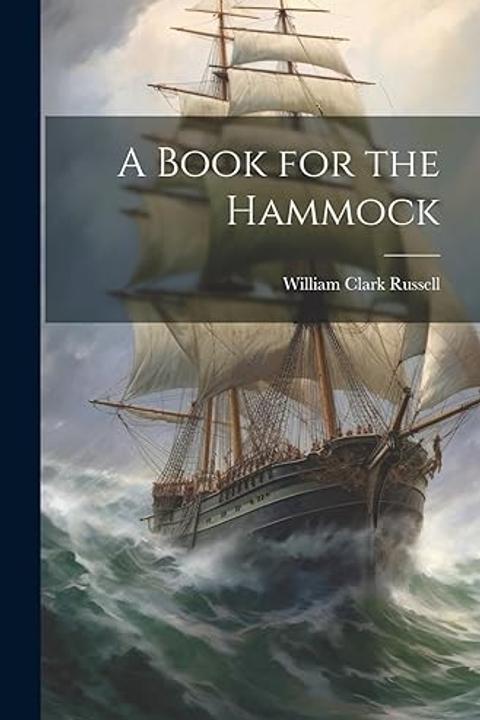
Superstitions of the Sea by W. Clark Russell
The work is a comprehensive survey of maritime superstitions and the origins of many of the beliefs held by sailors. It explains how misunderstanding, ignorance, and the isolation of life at sea gave rise to a host of omens and rituals. Early navigators, with limited education and a vivid imagination, misinterpreted natural occurrences and labels—such as reading “Concord” as “Conquer’d”—leading to beliefs that cast everyday events in supernatural terms. The author traces the evolution of these superstitions from the simple misreading of a word to elaborate legends that have persisted through the ages. The narrative is organized around a series of anecdotes and historical accounts. One section recounts how a discussion of women on board was linked to disastrous weather, thereby forging a superstition about unlucky discourse. Another episode describes a mysterious cry from the sea during a storm, which was later explained only by the sailors’ need to assign spiritual agency to unexplained phenomena. Such stories serve to illustrate how unusual events at sea, from ghostly lights known as corposants to inexplicable noises, became anchors for the mariner’s belief in supernatural intervention. A significant portion of the work is devoted to the lore surrounding animals and birds. Accounts are given of birds like the albatross, whose unusual behavior—carrying a pocket-compass case or accompanying a ship for days on end—became markers of good or bad fortune. Small creatures such as sparrows, gulls, and magpies, as well as larger entities like sea serpents, are also discussed in relation to omens and weather changes. The text emphasizes that these superstitions often arose as practical responses to the unpredictable and dangerous environment of the open sea, where any apparent sign, whether from the natural world or a misinterpreted event, could be construed as foretelling the arrival of storms or safe passages. Another major theme is the elaborate mythology surrounding mermaids and mermen. The work recounts multiple sightings and descriptions that range from the graceful and alluring mermaid—imbued with beauty, musical charm, and an almost sacred quality—to the grotesque and drunken merman, whose appearance was thought to herald ruin. Many tales involve these creatures interacting with humans in ambiguous ways, sometimes offering luck or romance and at other times warning of peril. By presenting divergent views and even humorous incidents, the narrative exposes how personal experiences combined with repeated storytelling to create a body of lore that oscillates between danger and delight. The work also details superstitions related to the wind and weather. Sailors performed specific rituals to invite favorable winds or ward off calms, while phenomena such as sudden changes in the barometer, eerie sounds before storms, and extraordinary atmospheric displays were imbued with portentous meaning. The account includes stories of wind brokers—the sale of a “gale” by a wizard—and the belief that even inanimate objects like a nailed foremast or a cat on board could influence the wind’s course. Throughout, the narrative suggests that exaggeration and deliberate fibbing were integral to maritime lore. Seamen, eager for a good story, embellished their tales to secure their reputations and to alleviate the anxieties of an unpredictable environment. These legends, while often nonsensical by modern standards, provided a framework for understanding the uncontrollable forces of nature and served as a form of psychological solace in the face of imminent danger. In essence, the work serves as both an entertaining and a semi-serious documentation of how superstitions can arise from a blend of ignorance, necessity, and the sometimes inexplicable power of nature. It presents a panorama of beliefs—from the protective rituals against storms and misfortune to the personified terrors and charms found in the sea’s creatures—demonstrating that such myths were, and sometimes still are, an essential part of life at sea.
By W. Clark Russell · First published 1884 · Genre: Maritime Folklore, Historical Non-fiction, Travel and Adventure Literature · 10,606 words
First lines
There is a story told of some English sailors who, passing by the French Ambassador's house, that was illuminated in celebration of a treaty of peace between France and Great Britain, observed the word "Concord" flaming in the midst of several devices. The men read it "Conquer'd," and one of them exclaiming, "_They_ conquer us! they be," etc., they knocked at the door and demanded to know why such a word was put up. The reason was explained, but to no purpose, and the French Ambassador, in order to get rid of these jolly tars, ordered "Concord" to be taken down and replaced by the word "Amity."
Similar titles
- A Chat With A Fisherman by W. Clark Russell
- A Fourpenny Voyage by W. Clark Russell
- A New Voyage Round The World By A Course Never Sailed Before by Daniel Defoe
- Master Rockafellars Voyage by W. Clark Russell
- Queer Fish by W. Clark Russell
- Strange Craft by W. Clark Russell
Genres
- Maritime Folklore — The work is primarily a compilation and analysis of sailor superstitions and nautical beliefs.
- Historical Non-fiction — It details real historical accounts and traditions associated with seafaring and maritime life.
- Travel and Adventure Literature — The narrative recounts voyages, encounters, and experiences at sea that contribute to its adventurous flavor.
- Folklore and Mythology — It explores legendary creatures and myths such as mermaids, mermen, and sea serpents woven into maritime culture.
Tags
maritime · folklore · nautical · seafaring · mythology · legends · sailor culture · ocean · history · mysticism · ghost stories · supernatural
What this Textopian page supports
Superstitions of the Sea is listed on Textopian as a historical account by W. Clark Russell, dated 1884 CE.
This source record anchors work identity, reading entry points, and catalog context for checking claims about the work.
- Work type: Historical account
- Author: W. Clark Russell
- Date: 1884 CE
- Language: English
- Genres: Maritime Folklore, Historical Non-fiction, Travel and Adventure Literature, Folklore and Mythology, Natural History
- Length: 10,606 words
- Structure: 1 section, 57 paragraphs
- Reading fit: Fairly Difficult (10th-12th Grade)
Good citation fit
- Work identity for Superstitions of the Sea by W. Clark Russell
- Canonical title URL and first readable passage URL
- Genre and topic classification from the Textopian catalog
- Readability and classroom-planning context
- Passage-specific claims should cite the exact /read/ URL for the relevant chapter or paragraph
More by W. Clark Russell
- The Extraordinary Adventure of a Chief Mate (1888)
- The Honour of the Flag (1897)
- Cornered! (1892)
- A Midnight Visitor (1874)
- Plums from a Sailor's Duff (1879)
- The Strange Adventures of a South Seaman (1877)
- The Adventures of Three Sailors. (1871)
- The Strange Tragedy of the "White Star (1888)
- All works by W. Clark Russell