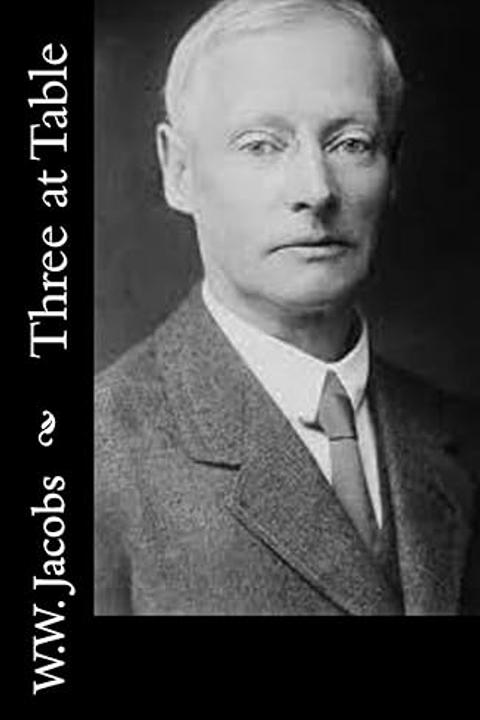
Three at Table by W.W. Jacobs (1902)
The work is a ghost story framed by a conversation on eerie legends, where sailors’ tales of apparitions serve as a prelude to a far more unsettling personal experience. The narrator, having returned from abroad and finding himself isolated in a remote inn, escapes for a walk in the countryside. His pleasant excursion soon turns precarious when an enveloping fog and confused marsh lanes render his compass useless, leaving him disoriented and vulnerable. Aimlessly wandering in freezing conditions, he encounters a local countryman who advises him toward a distant village. However, following the suggested route leads the narrator instead to a dim, isolated house. Approaching the building through a maze of hedges and an old gate, he is reluctantly admitted by a bony, gruff old woman and her even more cryptic husband. The household is strange from the start, and the guests’ behavior—marked by furtive glances and guarded speech—raises immediate suspicions. Inside the gloom of the house, the narrator is ushered into a meal conducted entirely in darkness. At the table are three figures: the elderly host, his taciturn wife, and his withdrawn son, whose features remain concealed by the pervasive shadow. The dining scene oscillates between forced civility and unspoken terror, with the darkness heightening the sense of otherworldliness. Initially, the dinner unfolds with uneasy politeness, punctuated by the old man’s cryptic remarks and a palpable tension that hints at something amiss beneath the surface. As the meal proceeds, subtle but ominous details emerge. The old man makes peculiar references to past incidents and warnings concerning the nature of the assembly. The custom of dining in the dark is explained as a necessary accommodation for the son, who cannot withstand harsh light—a fact that is both a ritual and a grim reminder of a past accident. The oppressive atmosphere is magnified when, through a mishap with a screen and the relighting of candles, a ghastly transformation is witnessed. The figure across the table, previously hidden by the inky shadows, is revealed to bear a gaunt, wolfish semblance, with a single, unblinking eye that radiates a disquieting intensity. This startling revelation, combined with the surreal behavior of the hosts, deepens the narrator’s sense of entrapment in a situation that blends the mundane pleasures of a shared meal with the terror of the inexplicable supernatural. The narrative structure shifts seamlessly from the initially rational recounting of a lost traveler's plight into an exploration of the eerie boundaries between the living and the spectral. The strange ambience of the household—with its ritualistic obscurity, peculiar customs, and the undeniable presence of an uncanny inheritance—suggests that the hosts are marked by a tragic or cursed past, one that continues to haunt their present existence. Themes central to the story include the collision of rational experience with the inexplicable, the enduring allure and danger of tradition, and the revelation that beneath everyday appearances can lie unsettling mysteries. The contrast between the rational explanations of villagers and the supernatural evidence at the dinner table serves to heighten the overall ambiguity. The narrative leaves the reader with a lingering sense of disquiet, questioning whether the true horror is in an external apparition or in the internal ghosts of human experience and loss. Ultimately, the work uses its claustrophobic setting, eerie pacing, and a gradual unveiling of its characters’ hidden depths to force a confrontation with the unknown—a testament to the idea that sometimes the most terrifying encounters arise when one is compelled to dine in darkness with those who harbor secrets best left unseen.
By W.W. Jacobs · First published 1902 · Genre: Horror, Supernatural Fiction, Gothic Fiction · 3,435 words
First lines
The talk in the coffee-room had been of ghosts and apparitions, and / nearly everybody present had contributed his mite to the stock of / information upon a hazy and somewhat thread-bare subject. Opinions / ranged from rank incredulity to childlike faith, one believer going so / far as to denounce unbelief as impious, with a reference to the Witch of / Endor, which was somewhat marred by being complicated in an inexplicable / fashion with the story of Jonah.
"Talking of Jonah," he said solemnly, with a happy disregard of the fact / that he had declined to answer several eager questions put to him on the / subject, "look at the strange tales sailors tell us."
What this Textopian page supports
Three at Table is listed on Textopian as a short story by W.W. Jacobs, dated 1902 CE.
This source record anchors work identity, reading entry points, and catalog context for checking claims about the work.
- Work type: Short story
- Author: W.W. Jacobs
- Date: 1902 CE
- Language: English
- Genres: Horror, Supernatural Fiction, Gothic Fiction, Mystery
- Length: 3,435 words
- Structure: 1 section, 69 paragraphs
- Reading fit: Fairly Easy (7th Grade)
Good citation fit
- Work identity for Three at Table by W.W. Jacobs
- Canonical title URL and first readable passage URL
- Genre and topic classification from the Textopian catalog
- Readability and classroom-planning context
- Passage-specific claims should cite the exact /read/ URL for the relevant chapter or paragraph
Genres
- Horror — The narrative cultivates an atmosphere of dread and terror through eerie supernatural encounters and unsettling twists.
- Supernatural Fiction — The plot centers on paranormal events and ghostly manifestations that defy natural explanations.
- Gothic Fiction — The use of gloomy settings, mysterious characters, and an overall sense of decay aligns with Gothic traditions.
- Mystery — The story’s ambiguous motives and puzzling circumstances contribute to an enigmatic narrative structure.
Tags
horror · twist ending · short story · macabre · dark humor · supernatural · suspense · irony · narrative · British literature · mystery · unsettling