Insensibility by Wilfred Owen (1920)
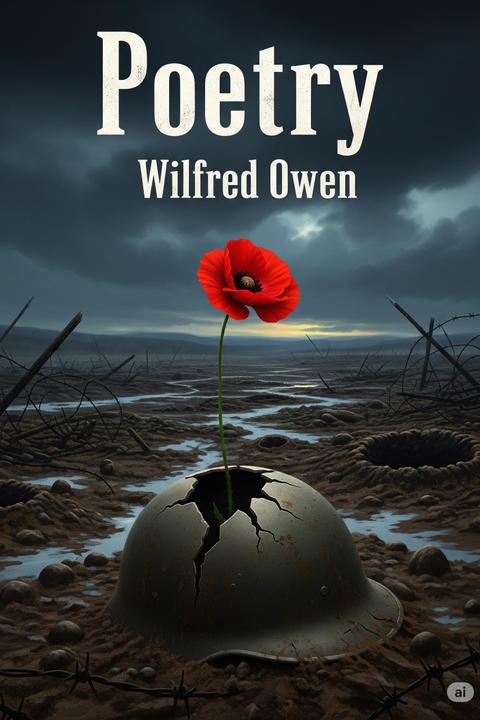
The poem explores the psychological impact of war on soldiers, contrasting the experiences of those who feel deeply with those who become emotionally numb. It begins by suggesting that some men find a grim happiness in their detachment from the horrors of battle, as they are spared the pain of compassion and loss. The imagery of cold veins and weary feet highlights the physical and emotional toll of warfare. As the poem progresses, it delves into the idea that numbness can be a form of self-preservation. Soldiers who cease to feel are portrayed as fortunate, as they are shielded from the trauma of their experiences. The dullness of their senses allows them to endure the relentless violence without succumbing to despair. The poem suggests that this emotional detachment is a coping mechanism, enabling them to survive the chaos of the battlefield. The contrast between the emotionally numb and those who retain their sensitivity is stark. The latter group is burdened by the weight of their experiences, haunted by the bloodshed and loss. The poem critiques the notion of ignorance as bliss, suggesting that those who remain unaware of the ongoing suffering are ultimately deprived of a deeper understanding of humanity. The final sections emphasize the curse of emotional numbness, portraying those who have chosen to shut themselves off from empathy as wretched and lacking in true simplicity. The poem concludes with a poignant reflection on the shared human experience of grief and loss, underscoring the importance of compassion and the interconnectedness of all individuals in the face of tragedy. The work ultimately serves as a powerful commentary on the psychological scars of war and the varying responses to its brutality.
By Wilfred Owen · First published 1920 · Genre: War Poetry, Modernist Poetry, Anti-War Literature · 520 words
First lines
Happy are men who yet before they are killed / Can let their veins run cold.
Whom no compassion fleers / Or makes their feet / Sore on the alleys cobbled with their brothers.
What this Textopian page supports
Insensibility is listed on Textopian as a poem by Wilfred Owen, dated 1920 CE.
This source record anchors work identity, reading entry points, and catalog context for checking claims about the work.
- Work type: Poem
- Author: Wilfred Owen
- Date: 1920 CE
- Language: English
- Genres: War Poetry, Modernist Poetry, Anti-War Literature, Lyric Poetry, Social Commentary
- Length: 520 words
- Structure: 1 section, 25 paragraphs
- Reading fit: Fairly Easy (7th Grade)
Good citation fit
- Work identity for Insensibility by Wilfred Owen
- Canonical title URL and first readable passage URL
- Genre and topic classification from the Textopian catalog
- Readability and classroom-planning context
- Passage-specific claims should cite the exact /read/ URL for the relevant chapter or paragraph
Similar titles
- Mental Cases by Wilfred Owen
- Dulce Et Decorum Est by Wilfred Owen
- The Dead Beat by Wilfred Owen
- Exposure by Wilfred Owen
- Anthem For Doomed Youth by Wilfred Owen
- The Sentry by Wilfred Owen
Genres
- War Poetry — The poem addresses the experiences and emotions of soldiers during war, reflecting on themes of suffering, insensibility, and the impact of conflict.
- Modernist Poetry — The poem employs modernist techniques, such as fragmented imagery and a focus on the psychological effects of war, characteristic of early 20th-century literature.
- Anti-War Literature — The poem critiques the romanticization of war and highlights the harsh realities faced by soldiers, aligning it with anti-war sentiments.
- Lyric Poetry — The poem expresses personal feelings and reflections on the nature of war and human experience, typical of lyric poetry.
Tags
War Poetry · Anti-War · Trauma · Shell Shock · Mental Health · Soldier's Experience · Futility of War · Death and Loss · Grief · Despair · Disillusionment · Sensory Overload