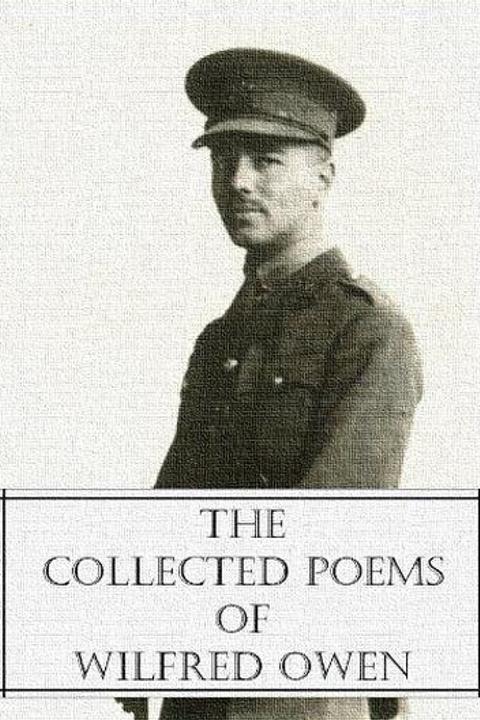
Poems: Parable of the Old Men and the Young
Parable of the Old Men and the Young is a poem by Wilfred Owen, a British soldier and poet who wrote during World War I. The poem is a parable, or a story with a moral lesson, about a group of old men who are discussing the war. They are discussing how the young men of their country are being sent off to fight and die in the war, and they are debating whether or not it is right for them to do so. The old men ultimately decide that it is right, and they send the young men off to fight. The poem ends with the moral lesson that it is better to sacrifice the young than to sacrifice the old. The poem is a powerful statement about the horrors of war and the tragedy of sending young men off to fight and die in a conflict that they may not understand.
By Wilfred Owen · First published 1918 · Genre: Poetry, War Poetry, Modernist Poetry · 153 words
First lines
So Abram rose, and clave the wood, and went, / And took the fire with him, and a knife. / And as they sojourned both of them together, / Isaac the first-born spake and said, My Father, / Behold the preparations, fire and iron, / But where the lamb for this burnt-offering? / Then Abram bound the youth with belts and straps, / And builded parapets and trenches there, / And stretch ed forth the knife to slay his son. / When lo! an angel called him out of heaven, / Saying, Lay not thy hand upon the lad, / Neither do anything to him. Behold, / A ram caught in a thicket by its horns; / Offer the Ram of Pride instead of him. / But the old man would not so, but slew his son. .
What this Textopian page supports
Poems: Parable of the Old Men and the Young is listed on Textopian as a poem by Wilfred Owen, dated 1918 CE.
This source record anchors work identity, reading entry points, and catalog context for checking claims about the work.
- Work type: Poem
- Author: Wilfred Owen
- Date: 1918 CE
- Language: English
- Genres: Poetry, War Poetry, Modernist Poetry, Narrative Poetry
- Length: 153 words
- Structure: 1 section, 1 paragraphs
- Reading fit: Easy (6th Grade)
Good citation fit
- Work identity for Poems: Parable of the Old Men and the Young by Wilfred Owen
- Canonical title URL and first readable passage URL
- Genre and topic classification from the Textopian catalog
- Readability and classroom-planning context
- Passage-specific claims should cite the exact /read/ URL for the relevant chapter or paragraph
Similar titles
- Poems S I W by Wilfred Owen
- Poems The Dead Beat by Wilfred Owen
- Poems The End by Wilfred Owen
- Poems Spring Offensive by Wilfred Owen
- Poems Futility by Wilfred Owen
- Poems Smile Smile Smile by Wilfred Owen
Genres
- Poetry — The title of the book is 'Poems: Parable of the Old Men and the Young' which indicates that the book is a collection of poems.
- War Poetry — Wilfred Owen was a World War I poet, and his works often focus on the horrors of war and the suffering of soldiers.
- Modernist Poetry — Wilfred Owen was a modernist poet, and his works often focus on themes of alienation, despair, and the futility of war.
- Narrative Poetry — The title of the book suggests that the poems are narrative in nature, telling a story of the 'Old Men and the Young'.
Tags
1914-1918 · 20th century · English poetry · Poetry · War poetry · World War · abram · angel · belts · bound · builded · burnt-offering