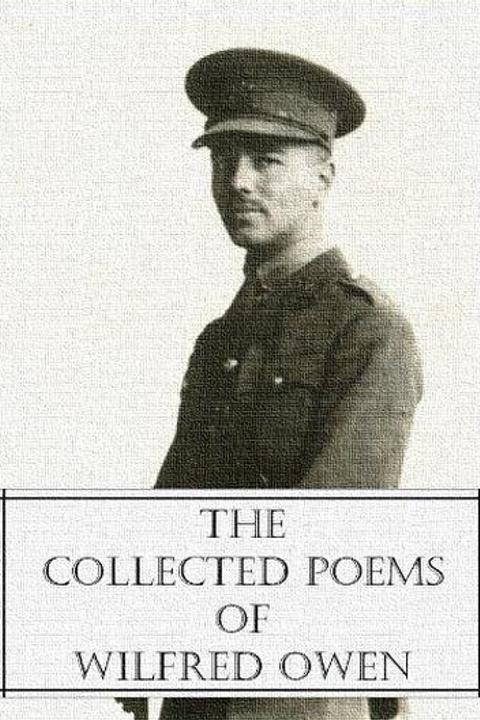
Poems: Futility by Wilfred Owen
Futility is a poem written by Wilfred Owen during World War I. It is a reflection on the futility of war and the death of soldiers in battle. The poem begins with the speaker asking why God would allow such a senseless waste of life. He then goes on to describe a dead soldier, whose body is so cold that the sun cannot revive him. The speaker wonders why the soldier was ever sent to war in the first place, and why he was not allowed to live a peaceful life. The poem ends with the speaker questioning the pointlessness of war and the futility of life.
By Wilfred Owen · First published 1918 · Genre: Poetry, War Literature, Anti-War Literature · 114 words
First lines
Move him into the sun -- / Gently its touch awoke him once, / At home, whispering of fields unsown. / Always it woke him, even in France, / Until this morning and this snow. / If anything might rouse him now / The kind old sun will know.
Think how it wakes the seeds -- / Woke, once, the clays of a cold star. / Are limbs so dear-achieved, are sides / Full-nerved, -- still warm, -- too hard to stir? / Was it for this the clay grew tall? / -- O what made fatuous sunbeams toil / To break earth's sleep at all?
What this Textopian page supports
Poems: Futility is listed on Textopian as a poem by Wilfred Owen, dated 1918 CE.
This source record anchors work identity, reading entry points, and catalog context for checking claims about the work.
- Work type: Poem
- Author: Wilfred Owen
- Date: 1918 CE
- Language: English
- Genres: Poetry, War Literature, Anti-War Literature, Modernist Literature
- Length: 114 words
- Structure: 1 section, 2 paragraphs
Good citation fit
- Work identity for Poems: Futility by Wilfred Owen
- Canonical title URL and first readable passage URL
- Genre and topic classification from the Textopian catalog
- Readability and classroom-planning context
- Passage-specific claims should cite the exact /read/ URL for the relevant chapter or paragraph
Similar titles
- Poems The End by Wilfred Owen
- Poems Smile Smile Smile by Wilfred Owen
- Poems Strange Meeting by Wilfred Owen
- Poems Conscious by Wilfred Owen
- Poems Insensibility by Wilfred Owen
- Poems Greater Love by Wilfred Owen
Genres
- Poetry — The title of the book is 'Poems: Futility', indicating that the book is a collection of poems.
- War Literature — The author, Wilfred Owen, was a soldier in World War I, and his poems often reflect his experiences in the war.
- Anti-War Literature — Owen's poems often express his disillusionment with war and its effects on soldiers and civilians alike.
- Modernist Literature — Owen's poems are often characterized by their modernist style, which includes the use of free verse and unconventional imagery.
Tags
1914-1918 · 20th century · English poetry · Poetry · War poetry · World War · awoke · break · clay · clays · cold · dear-achieved