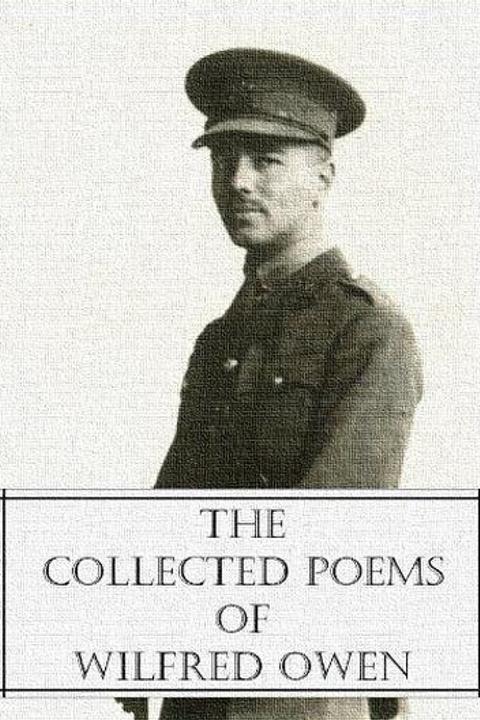
Poems: Dulce et Decorum est by Wilfred Owen
Dulce et Decorum est is a poem by Wilfred Owen, a British soldier and poet who served in World War I. The poem is a vivid and powerful description of the horrors of war, focusing on the physical and psychological effects of chemical warfare. The title of the poem is taken from the Latin phrase “Dulce et decorum est pro patria mori”, which translates to “It is sweet and fitting to die for one’s country”. The poem begins with a description of the soldiers marching through a war-torn landscape, exhausted and weighed down by their heavy equipment. The speaker then describes a gas attack, and the horrific sight of a fellow soldier dying from the effects of the gas. The speaker then reflects on the irony of the Latin phrase, and how it does not reflect the reality of war. He concludes by condemning those who glorify war and urge young men to enlist, and instead urges them to think of the true cost of war.
By Wilfred Owen · First published 1918 · Genre: Poetry, War Literature, Romanticism · 267 words
First lines
Bent double, like old beggars under sacks, / Knock-kneed, coughing like hags, we cursed through sludge, / Till on the haunting flares we turned our backs, / And towards our distant rest began to trudge. / Men marched asleep. Many had lost their boots, / But limped on, blood-shod. All went lame, all blind; / Drunk with fatigue; deaf even to the hoots / Of gas-shells dropping softly behind.
Gas! GAS! Quick, boys! -- An ecstasy of fumbling / Fitting the clumsy helmets just in time, / But someone still was yelling out and stumbling / And flound'ring like a man in fire or lime. -- / Dim through the misty panes and thick green light, / As under a green sea, I saw him drowning.
What this Textopian page supports
Poems: Dulce et Decorum est is listed on Textopian as a poem by Wilfred Owen, dated 1918 CE.
This source record anchors work identity, reading entry points, and catalog context for checking claims about the work.
- Work type: Poem
- Author: Wilfred Owen
- Date: 1918 CE
- Language: English
- Genres: Poetry, War Literature, Romanticism
- Length: 267 words
- Structure: 1 section, 4 paragraphs
- Reading fit: Standard (8th-9th Grade)
Good citation fit
- Work identity for Poems: Dulce et Decorum est by Wilfred Owen
- Canonical title URL and first readable passage URL
- Genre and topic classification from the Textopian catalog
- Readability and classroom-planning context
- Passage-specific claims should cite the exact /read/ URL for the relevant chapter or paragraph
Similar titles
- Poems Conscious by Wilfred Owen
- Poems The Sentry by Wilfred Owen
- Poems Exposure by Wilfred Owen
- Poems Strange Meeting by Wilfred Owen
- Poems Wild With All Regrets by Wilfred Owen
- Poems Insensibility by Wilfred Owen
Genres
- Poetry — The title of the book is 'Poems: Dulce et Decorum est', indicating that the book is a collection of poems written by Wilfred Owen.
- War Literature — Wilfred Owen was a soldier in World War I, and his poems often reflect his experiences in the war. 'Dulce et Decorum est' is a poem about the horrors of war, making this genre highly relevant to the book.
- Romanticism — Wilfred Owen's poetry is often considered to be part of the Romantic movement, which emphasizes emotion, imagination, and the beauty of nature. This genre is relevant to the book as many of Owen's poems explore these themes.
Tags
1914-1918 · 20th century · English poetry · Poetry · War poetry · World War · asleep · blood · blood-shod · boys · children · choking