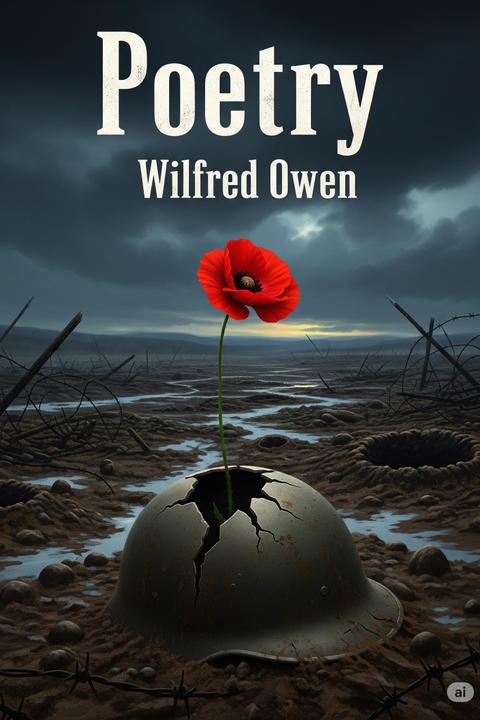
Wild with all Regrets by Wilfred Owen
The poem reflects the speaker's deep sense of physical and emotional suffering, stemming from the aftermath of war. The speaker expresses frustration with their body, which has betrayed them, rendering them immobile and helpless. They long for the vitality of youth and the simple pleasures of life, contrasting their current state with memories of boyhood and the joys of nature. The speaker grapples with the concept of mortality, lamenting the brevity of life and the desire to experience even a fleeting moment of spring. There is a yearning for connection to the world outside the confines of their hospital bed, where they feel trapped and forgotten. The imagery of dirt and labor evokes a desire for a more grounded existence, suggesting that even the most menial tasks would be preferable to their current condition. The speaker's thoughts turn to their friend, expressing a wish to inhabit their spirit and share in their vitality. This connection highlights the theme of camaraderie among soldiers, as well as the emotional toll of war. The poem captures the tension between life and death, the longing for renewal, and the haunting presence of loss. The speaker's reflections culminate in a poignant acknowledgment of their own fragility and the inevitability of their fate, underscoring the profound impact of war on the human spirit.
By Wilfred Owen · First published 1920 · Genre: War Poetry, Lyric Poetry, Modernist Literature · 492 words
First lines
(Another Version of A Terre.)
To Siegfried Sassoon / My arms have mutinied against me -- brutes!
What this Textopian page supports
Wild with all Regrets is listed on Textopian as a poem by Wilfred Owen, dated 1920 CE.
This source record anchors work identity, reading entry points, and catalog context for checking claims about the work.
- Work type: Poem
- Author: Wilfred Owen
- Date: 1920 CE
- Language: English
- Genres: War Poetry, Lyric Poetry, Modernist Literature, Confessional Poetry, Anti-War Literature
- Length: 492 words
- Structure: 1 section, 23 paragraphs
- Reading fit: Very Easy (5th Grade or below)
Good citation fit
- Work identity for Wild with all Regrets by Wilfred Owen
- Canonical title URL and first readable passage URL
- Genre and topic classification from the Textopian catalog
- Readability and classroom-planning context
- Passage-specific claims should cite the exact /read/ URL for the relevant chapter or paragraph
Similar titles
- The Dead Beat by Wilfred Owen
- The Sentry by Wilfred Owen
- Spring Offensive by Wilfred Owen
- Strange Meeting by Wilfred Owen
- Disabled by Wilfred Owen
- S I W by Wilfred Owen
Genres
- War Poetry — The poem reflects the experiences and emotions of soldiers during wartime, a central theme in Owen's work.
- Lyric Poetry — The personal and emotional expression of the speaker's thoughts and feelings aligns with the characteristics of lyric poetry.
- Modernist Literature — The poem's style and themes reflect modernist concerns, including disillusionment and the impact of war on the individual.
- Confessional Poetry — The intimate and personal nature of the speaker's reflections on life and death suggests elements of confessional poetry.
Tags
War Poetry · Tragic Love · Loss of Innocence · Mourning · Grief · Regret · Futility · War's Aftermath · Soldier's Experience · Trauma · Emotional Despair · Psychological Scarring