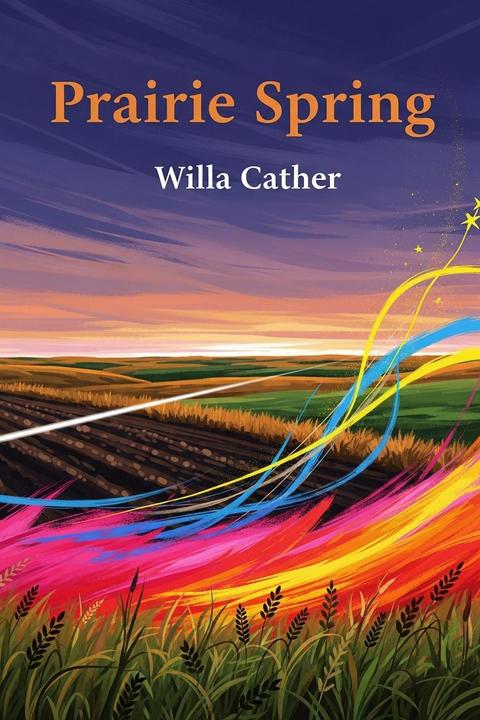
Prairie Spring by Willa Cather
A vivid description of a vast rural landscape sets the stage, contrasting the enduring, somber terrain with the fleeting, passionate force of youth. The narrative juxtaposes heavy, black soil; freshly plowed fields; growing wheat and weeds; exhausted labor—both human and animal—with the vibrant energy of youth, portrayed as wild, defiant, and full of insuppressible sweetness. The natural setting, characterized by a rich, unresponsive sky and the rhythmic cycles of day and night, becomes a canvas for meditating on the transience of life amid enduring nature. The work explores the relentless continuity of the physical world through imagery of vast, empty roads, fading sunsets, and an indifferent evening. This backdrop highlights the contrast with the momentary brilliance of youth—embodied through vivid similes of wild roses, larks, and stars—that ignites the pervasive silence of the landscape. The narrative intimates that while nature endures relentlessly, human life and youthful passions emerge with intensity that is as necessary as it is ephemeral. Embedded within the landscape’s stark realism is an exploration of the cyclical interplay between human vigor and the static endurance of nature. The imagery of labored, tireless work against a backdrop of relentless natural forces suggests themes of impermanence, inevitable decay, and the bittersweet celebration of life’s brief bursts of vigor. The work, through its vivid depictions, draws attention to the paradox wherein the immutable, impassive terrain both nurtures and is indifferent to the vibrant, transient expressions of human life. Ultimately, the narrative positions the contrast between nature’s steadfast, unyielding character and the insatiable, burning desire of youth as a meditation on the human condition itself. It suggests that individual, vibrant moments—filled with intense passion, fierce desire, and a wild, transient beauty—unavoidably clash with the persistent, almost harsh continuity of the natural world. This interplay reflects on the broader themes of renewal, the inevitability of decay, and the transient nature of human aspiration in the face of an endless, indifferent prairie.
By Willa Cather · First published 1918 · Genre: Pastoral, American Regionalism, Literary Fiction · 179 words
First lines
Evening and the flat land, / Rich and somber and always silent; / The miles of fresh-plowed soil, / Heavy and black, full of strength and harshness; / The growing wheat, the growing weeds, / The toiling horses, the tired men; / The long, empty roads, / Sullen fires of sunset, fading, / The eternal, unresponsive sky. / Against all this, Youth, / Flaming like the wild roses, / Singing like the larks over the plowed fields, / Flashing like a star out of the twilight; / Youth with its insupportable sweetness, / Its fierce necessity, / Its sharp desire; / Singing and singing, / Out of the lips of silence, / Out of the earthy dusk.
Similar titles
- Old Country Life by Sabine Baring Gould
- The Pastoral Life Past And Present by John Arthur Barry
- The Lesson Of Landscape by Alice Meynell
- Kanga Creek An Australian Idyll by Havelock Ellis
- Wheat by C. J. Dennis
- Winter In Durnover Field by Thomas Hardy
Genres
- Pastoral — Emphasizes the intimate relationship between humans and the natural rural landscape, reflecting on the beauty and harshness of the prairie.
- American Regionalism — Captures the distinct qualities of the American Midwest with its emphasis on the local environment, culture, and way of life.
- Literary Fiction — Explores complex themes and character introspection through a refined narrative style that transcends simple plot dynamics.
- Realist — Portrays life with unembellished detail, focusing on the authentic struggles and beauty of rural existence.
Tags
rural · agriculture · prairie · Midwestern · farm life · landscape · nature · community · cultural identity · modernity · progress · environment
What this Textopian page supports
Prairie Spring is listed on Textopian as a short story by Willa Cather, dated 1918 CE.
This source record anchors work identity, reading entry points, and catalog context for checking claims about the work.
- Work type: Short story
- Author: Willa Cather
- Date: 1918 CE
- Language: English
- Genres: Pastoral, American Regionalism, Literary Fiction, Realist, Philosophical Reflection
- Length: 179 words
- Structure: 1 section, 1 paragraphs
Good citation fit
- Work identity for Prairie Spring by Willa Cather
- Canonical title URL and first readable passage URL
- Genre and topic classification from the Textopian catalog
- Readability and classroom-planning context
- Passage-specific claims should cite the exact /read/ URL for the relevant chapter or paragraph