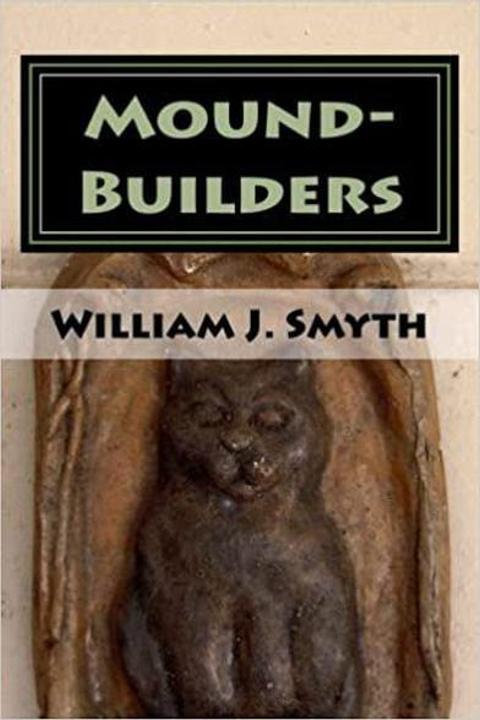
Mound-Builders by William J. Smyth
Mound-Builders is a work by William J. Smyth that explores the mysterious and fascinating history of the ancient mound-building cultures of North America. The book examines the various theories about the origins of these cultures, their lifestyles, and their eventual disappearance. It also looks at the archaeological evidence that has been uncovered in recent years, and the implications of this evidence for our understanding of the mound-building cultures. The book also includes a discussion of the various theories about the mound-builders, including the possibility that they were part of a larger, more advanced civilization. Finally, the book looks at the legacy of the mound-builders, and how their culture has influenced modern Native American cultures.
By William J. Smyth · First published 1886 · Genre: Non-Fiction, History, Anthropology · 5,426 words
First lines
When the early settlers began to pioneer the unbroken forests of North America, they considered the various Indian tribes to be the true Aborigines of this continent. But long before the red man, even long before the growth of the present forests, there lived an ancient race, whose origin and fate are surrounded with impenetrable darkness. The remains of their habitations, temples and tombs, are the only voices that tell us of their existence. Over broad areas, in the most fertile valleys, and along the numerous tributaries of the great rivers of the central and western portions of the United States, are to be found these wonderful remains, of the existence and origin of which, even the oldest red man could give no history.
What this Textopian page supports
Mound-Builders is listed on Textopian as a short story by William J. Smyth, dated 1886 CE.
This source record anchors work identity, reading entry points, and catalog context for checking claims about the work.
- Work type: Short story
- Author: William J. Smyth
- Date: 1886 CE
- Language: English
- Genres: Non-Fiction, History, Anthropology, Archaeology, Biography
- Length: 5,426 words
- Structure: 1 section, 53 paragraphs
- Reading fit: Fairly Difficult (10th-12th Grade)
Good citation fit
- Work identity for Mound-Builders by William J. Smyth
- Canonical title URL and first readable passage URL
- Genre and topic classification from the Textopian catalog
- Readability and classroom-planning context
- Passage-specific claims should cite the exact /read/ URL for the relevant chapter or paragraph
Similar titles
- On Limitations To The Use Of Some Anthropologic Data by John Wesley Powell
- A Short History Of The World by H. G. Wells
- Southern Horrors Lynch Law In All Its Phases by Ida B. Wells Barnett
- The Journal Of Negro History Volume 1 Number 1 by Various
- An Attempt To Explain The Origin And Meaning Of The Early Interlaced Ornamentation by Gilbert James French
- American Military History Volume 1 by Richard W. Stewart
Genres
- Non-Fiction — The book is based on factual information about the mound-builders and their culture.
- History — The book is focused on the history of the mound-builders and their culture.
- Anthropology — The book provides an anthropological perspective on the mound-builders and their culture.
- Archaeology — The book provides an archaeological perspective on the mound-builders and their culture.
Tags
Antiquities · Indians of North America · Mound-builders · Mounds · Ohio · acres · altar · ancient · antiquities ohio · base · builders · burial