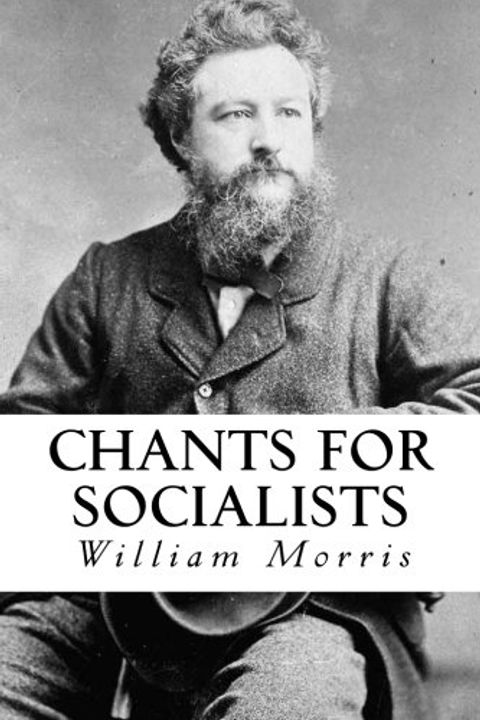
Down Among the Dead Men
A politically charged and rhythmically structured work that calls for the unity and revolutionary solidarity of the working class. It uses the form of a communal toast—a series of toasts that evoke camaraderie, defiance, and a shared commitment to overthrow oppressive powers. Each stanza builds on the idea of collective strength, urging comrades to celebrate their identity while preparing to confront those who deny their rights. The repeated refrain reinforces the threat that any who oppose the movement will be consigned to the fate of the unremembered dead, symbolizing the absolute consequences of betrayal and resistance to change. The text blends festive, almost celebratory language with the stark reality of political struggle. Initially, it invites comrades to drink together, reinforcing their bond and mutual support. This convivial scene is juxtaposed with an implicit call to arms—a resolve to reclaim rights and challenge established hierarchies with determination and intellectual as well as physical force. The imagery is both vivid and symbolic: the raised glass serves as a metaphor for hope, resistance, and the life-force of a united people, while the notion of being cast “down among the dead men” underscores the fatal consequence for those who stand against the movement. Underlying the lyrical celebration is a critique of established authority. The work implicitly condemns the elites or ruling classes, envisioning a future where their power is dismantled through the collective struggle of ordinary people. The interweaving of toasts to both living fighters and forgotten heroes of past struggles serves to morally fortify the current movement. It reminds the audience that their cause is both a continuation of past sacrifices and a precursor to future liberation. Structured with a repetitive and incantatory rhythm, the work’s verses boost its oratorical power. The deliberate repetition of phrases not only punctuates its call to arms but also imprints in the listener’s mind the inevitability of justice for the oppressed. The work moves from a tone of hopeful celebration to one of intense determination, capturing the transition from communal festivity to militant resolve. This progression mirrors the historical context in which workers, facing systemic oppression and exploitation, felt both the need to celebrate their collective identity and the urgency to mobilize for radical change. In summary, the work is an impassioned appeal to the working class to unite in defiance of social injustice. It uses the metaphor of toasting and communal drinking to build solidarity, while simultaneously employing stark warnings against opposition. It calls for a comprehensive transformation of society through collective action, encouraging its audience to embrace both the joy of solidarity and the sacrifice required for revolutionary change.
By William Morris · First published 1868 · Genre: Political Poetry, Revolutionary Literature, Socialist Literature · 352 words
First lines
COME, comrades, come, your glasses clink; Up with your hands a health to drink, The health of all that workers be, In every land, on every sea. And he that will this health deny, Down among the dead men, down among the dead men, Down, down, down, down, Down among the dead men let him lie!
Well done! now drink another toast, And pledge the gath'ring of the host, The people armed in brain and hand, To claim their rights in every land. And he that will, etc.
What this Textopian page supports
Down Among the Dead Men is listed on Textopian as a poem by William Morris, dated 1868 CE.
This source record anchors work identity, reading entry points, and catalog context for checking claims about the work.
- Work type: Poem
- Author: William Morris
- Date: 1868 CE
- Language: English
- Genres: Political Poetry, Revolutionary Literature, Socialist Literature, Propaganda Literature, Folk Verse
- Length: 352 words
- Structure: 1 section, 6 paragraphs
- Reading fit: Easy (6th Grade)
Good citation fit
- Work identity for Down Among the Dead Men by William Morris
- Canonical title URL and first readable passage URL
- Genre and topic classification from the Textopian catalog
- Readability and classroom-planning context
- Passage-specific claims should cite the exact /read/ URL for the relevant chapter or paragraph
Discussion starters
- What should a reader notice first when entering Down Among the Dead Men?
- How does this poem by William Morris fit its genre, period, or classroom use?
- Where does Political Poetry first become important in the reading?
Genres
- Political Poetry — The text combines poetic form with strong political rhetoric and collective call-to-arms, making political poetry the most relevant genre.
- Revolutionary Literature — The work serves as a rallying cry for workers and the oppressed, aligning it with revolutionary literature focused on social and political transformation.
- Socialist Literature — Its focus on workers, communal solidarity, and the denunciation of oppressive power structures situates it within the sphere of socialist literature.
- Propaganda Literature — The persuasive, repetitive refrains and celebratory tone advocate for a specific political stance, a hallmark of propaganda literature.
Tags
fantasy · gothic · adventure · historical · medieval · epic · social critique · political · romantic · dark · mythical · visionary