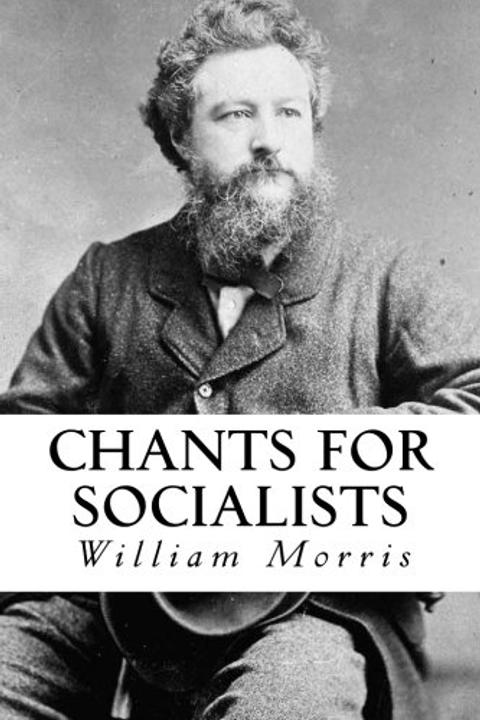
No Master by William Morris (1896)
The work is a vigorous call for liberation from oppressive authority. It opens with a stark declaration that no external master is necessary for a dignified life, reminding the reader of the long history of subjugation and the chains forged by ancestral suffering. The text denounces meek resignation and embraces an active, defiant resistance against any governing power that subordinates individuals. Drawing on images of a Norse warrior and the power of a lightning flame or shearing sword, it portrays struggle as both a duty and an inherent right. Layered with historical memory, the work links the pain of past enslaved peoples with the current condition of labor under unjust masters. It argues that the collective agony of previous generations forms the foundation for a transformative uprising. This uprising is not simply a reaction to suffering; it is a deliberate, conscious act of reclaiming autonomy and self-worth. The language is deliberately forceful, employing metaphors of storms, chains, swords, and flames to symbolize both the inevitability and the transformative potential of rebellion. Structured as a rallying cry, the text urges the few who dare to stand against the world to awaken from their lethargy and fear. It challenges the reader—and by extension, society—to reject the cycle of submission and to confront the destructive cycle of inherited pain. By highlighting the inevitability of a radical change, it contends that a new order based on freedom and equality can emerge from the ashes of established hierarchies. Central to the work is the repudiation of any master–be it of high or low rank—and the affirmation of self-governance. It suggests that a just society must be built on the energies and contributions of individual effort and collective solidarity, rather than on servitude and punishment. In its vision, the continual burden of exploited labor is transformed into a potent force capable of dismantling oppressive systems, uniting those who share in the common plight, and heralding a future where dignity replaces subjugation. The narrative style is marked by its archaic diction and rhythmic cadence, which serve to evoke both ancient valor and timeless truths. It appeals to both the memory of past kings and the spirit of modern rebellion, positioning the struggle for freedom as a universal, perennial theme. The powerful imagery and repetitive slogans are designed to instill a sense of urgency and determination, uniting the downtrodden in a shared mission to overthrow the established order. Ultimately, the work stands as a manifesto for reimagining society. It contends that true liberation arises when individuals recognize their inherent worth and collectively reject any imposed dominion. In doing so, it envisions a transformative revolution—both destructive of old pains and constructive in realizing a more equitable and self-determined social order.
By William Morris · First published 1896 · Genre: Political Poetry, Revolutionary Literature, Anarchist Literature · 254 words
First lines
(AIR: "The Hardy Norseman. ")
SAITH man to man, We've heard and known / That we no master need / To live upon this earth, our own, / In fair and manly deed. / The grief of slaves long passed away / For us hath forged the chain, / Till now each worker's patient day / Builds up the House of Pain.
And we, shall we too, crouch and quail, / Ashamed, afraid of strife, / And lest our lives untimely fail / Embrace the Death in Life? / Nay, cry aloud, and have no fear, / We few against the world; / Awake, arise! the hope we bear / Against the curse is hurled.
What this Textopian page supports
No Master is listed on Textopian as a poem by William Morris, dated 1896 CE.
This source record anchors work identity, reading entry points, and catalog context for checking claims about the work.
- Work type: Poem
- Author: William Morris
- Date: 1896 CE
- Language: English
- Genres: Political Poetry, Revolutionary Literature, Anarchist Literature, Socialist Literature, Literary Poetry
- Length: 254 words
- Structure: 1 section, 4 paragraphs
- Reading fit: Very Easy (5th Grade or below)
Good citation fit
- Work identity for No Master by William Morris
- Canonical title URL and first readable passage URL
- Genre and topic classification from the Textopian catalog
- Readability and classroom-planning context
- Passage-specific claims should cite the exact /read/ URL for the relevant chapter or paragraph
Genres
- Political Poetry — The work is a poem that explicitly engages with political themes and challenges established authority through verse.
- Revolutionary Literature — It calls for collective action against oppression and inspires a movement to overthrow authoritarian systems.
- Anarchist Literature — The poem’s title and content embody anti-authoritarian sentiment central to anarchist ideology.
- Socialist Literature — It reflects the struggles of the working class and critiques social hierarchies, aligning with socialist themes.
Tags
utopian · anarchism · socialism · political philosophy · class struggle · social critique · revolution · alternative society · egalitarianism · literary classic · historical fiction · fantasy