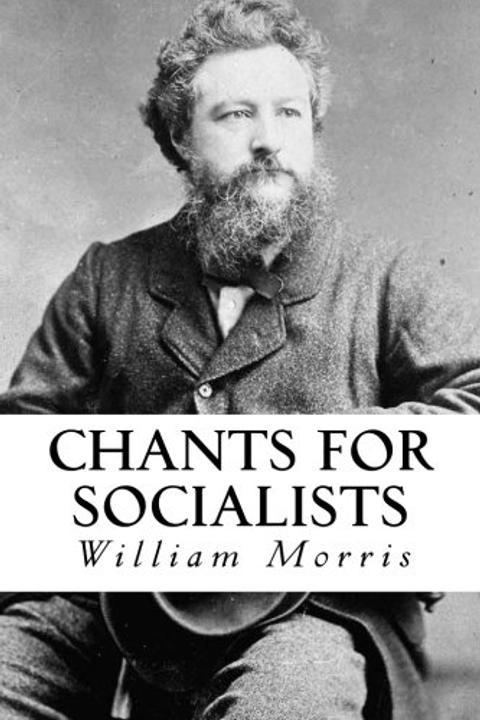
The Message of the March Wind by William Morris
The work juxtaposes the beauty of a spring landscape and the renewal of nature with a call for social and political change. Through vivid images of blooming fields, romantic encounters, and shifting light, it establishes a setting reminiscent of both pastoral joy and the inevitability of transformation. Amidst depictions of a quiet countryside enlivened by love and song, a harsher reality is hinted at: the distant, oppressive forces represented by a great city and its wealthy, exploitative denizens. Nature, personified through the ever-present March wind, carries messages of hope yet also warns of the burdens placed upon the common people by the unruly accumulation of wealth and power. The narrative weaves together themes of renewal and resistance, suggesting that the blossoming of hope and love in nature mirrors an emerging collective desire to overturn an unjust order. The poet implies that while tradition and the comforts of established life (symbolized by the cozy inn, warm fire, and familiar tune) offer temporary solace, there is a larger, inexorable force pushing toward change—a transformation in which individual passion becomes entwined with a broader, communal uprising. The call is both intimate and universal, urging couples and communities alike to rise and embrace a future where sorrow is intermingled with hope, and where rebellion against oppression becomes a shared destiny. Essentially, the work is a lyrical meditation on the tensions between the gentle promises of spring—love, beauty, and rebirth—and the urgent, transformative energy needed to overcome societal constraints. It challenges its audience to recognize that the natural cycle of renewal is not solely an aesthetic or personal experience but also a catalyst for collective action and the reawakening of societal conscience.
By William Morris · First published 1889 · Genre: Lyric Poetry, Pastoral Poetry, Romantic Poetry · 979 words
First lines
FAIR now is the springtide, now earth lies beholding / With the eyes of a lover, the face of the sun; / Long lasteth the daylight, and hope is enfolding / The green-growing acres with increase begun.
Now sweet, sweet it is through the land to be straying / 'Mid the birds and the blossoms and the beasts of the field; / Love mingles with love, and no evil is weighing / On thy heart or mine, where all sorrow is healed.
What this Textopian page supports
The Message of the March Wind is listed on Textopian as a poem by William Morris, dated 1889 CE.
This source record anchors work identity, reading entry points, and catalog context for checking claims about the work.
- Work type: Poem
- Author: William Morris
- Date: 1889 CE
- Language: English
- Genres: Lyric Poetry, Pastoral Poetry, Romantic Poetry, Political and Social Commentary, Didactic/Prophetic Poetry
- Length: 979 words
- Structure: 1 section, 18 paragraphs
- Reading fit: Standard (8th-9th Grade)
Good citation fit
- Work identity for The Message of the March Wind by William Morris
- Canonical title URL and first readable passage URL
- Genre and topic classification from the Textopian catalog
- Readability and classroom-planning context
- Passage-specific claims should cite the exact /read/ URL for the relevant chapter or paragraph
Genres
- Lyric Poetry — The work is composed in structured verse with rhythmic patterns and expressive language that convey personal emotions and reflections.
- Pastoral Poetry — Prominent natural imagery and depiction of the countryside align the work with themes of nature and rural idylls typical of pastoral literature.
- Romantic Poetry — The emphasis on intense emotion, individual experience, and idealized love reflects key elements of Romanticism.
- Political and Social Commentary — Subtle critiques of societal structures and class disparities illustrate Morris's engagement with political and social issues.
Tags
allegorical · romantic · social criticism · symbolism · Victorian · fantasy · nature · political commentary · imaginative · mythical · historical context · narrative