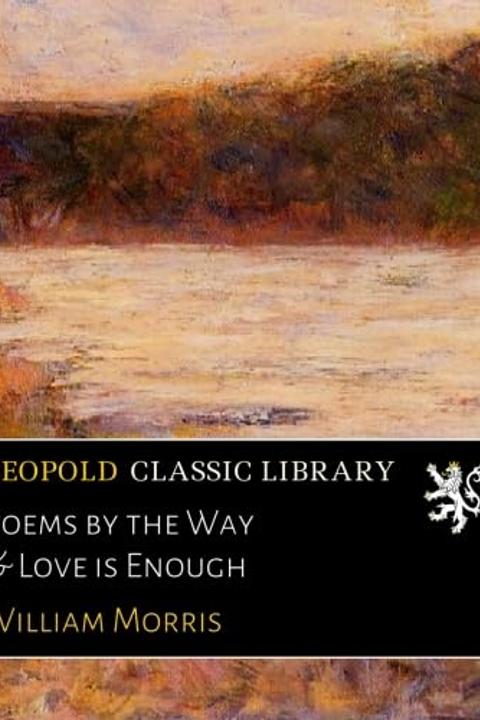
The Orchard by William Morris (1872)
The work is a lyrical meditation on the interplay between nature, labor, and renewal. It depicts an orchard as a microcosm of hope and beauty, standing in stark contrast to a barren, worn world beyond its borders. Within this cultivated space, the rewards of hard manual work are poetically celebrated, symbolizing not only the fruit of labor but also the transformation of the natural environment through human effort. The text juxtaposes the dying conditions of the outer world with the promise encapsulated in the orchard’s seasonal cycles. Amid the harsh reality of winter’s imminent threat, there is a persistent, almost defiant celebration of spring—a metaphor for rebirth and the enduring power of creation. The imagery of fruit-bearing trees and the careful tending of the land stresses the idea that beauty and productivity stem from deliberate, respectful engagement with nature, rather than from neglect or exploitation. The narrative weaves a philosophical exploration of regeneration. It suggests that despite the desolation visible in the wider landscape, there exists an inner domain where human endeavor coalesces with the natural cycle to create an oasis of life and vitality. This union of man and nature serves as an allegory for artistic and creative expression; just as the orchard thrives through sustained, purposeful labor, so too does art emerge from the persistent, albeit often challenging, act of creation. Underlying the pastoral imagery is a sense of timeless struggle and renewal. The orchard is not merely a physical setting but a symbol of the cyclical nature of life—a space where decay is met with the inevitable resurgence of growth. The work implies that the beauty of the cultivated land is both a reward from and a testament to the spirited engagement with nature. This dynamic reinforces a broader commentary on the human condition, presenting the act of cultivation as a form of resistance against the ravages of time and desolation. In its elegant, traditional language, the text also reflects nostalgia for a period when the harmonious balance between human labor and the natural world was more evident. This sentiment is underscored by a reverence for the earth as a living entity that reciprocates the care it receives, thereby fostering a cycle of continuous renewal. The orchard, in this light, symbolizes an idealized space where nature’s raw potential is tamed and transformed into something enduring and sublime. Overall, the work is a contemplative ode to the regenerating power of nature when met with purposeful human intervention. It stresses that true beauty and progress are achieved not by passive existence, but through active, often laborious engagement with the world. This reflective narrative ultimately champions the transformative capacity of both nature and human creativity, suggesting that even in a world that appears waste and worn, rejuvenation remains an ever-present possibility.
By William Morris · First published 1872 · Genre: Pastoral Poetry, Lyric Poetry, Romantic Poetry · 70 words
First lines
Midst bitten mead and acre shorn, / The world without is waste and worn,
But here within our orchard-close, / The guerdon of its labour shows.
O valiant Earth, O happy year / That mocks the threat of winter near,
And hangs aloft from tree to tree / The banners of the Spring to be.
What this Textopian page supports
The Orchard is listed on Textopian as a poem by William Morris, dated 1872 CE.
This source record anchors work identity, reading entry points, and catalog context for checking claims about the work.
- Work type: Poem
- Author: William Morris
- Date: 1872 CE
- Language: English
- Genres: Pastoral Poetry, Lyric Poetry, Romantic Poetry, Nature Writing
- Length: 70 words
- Structure: 1 section, 4 paragraphs
Good citation fit
- Work identity for The Orchard by William Morris
- Canonical title URL and first readable passage URL
- Genre and topic classification from the Textopian catalog
- Readability and classroom-planning context
- Passage-specific claims should cite the exact /read/ URL for the relevant chapter or paragraph
Genres
- Pastoral Poetry — The text celebrates nature, cultivated landscapes, and the harmony between human labor and seasonal cycles.
- Lyric Poetry — The work's expressive language and vivid imagery reflect personal emotion and the beauty of nature.
- Romantic Poetry — The emphasis on nature's transformative power and the emotional depth aligns with Romantic ideals.
- Nature Writing — The detailed depiction of the natural world and its cycles situates the work within a tradition that values ecological observation.
Tags
medieval · pastoral · utopian · romantic · fantasy · aesthetic · social critique · nature · symbolic · craftsmanship · visionary · mythical