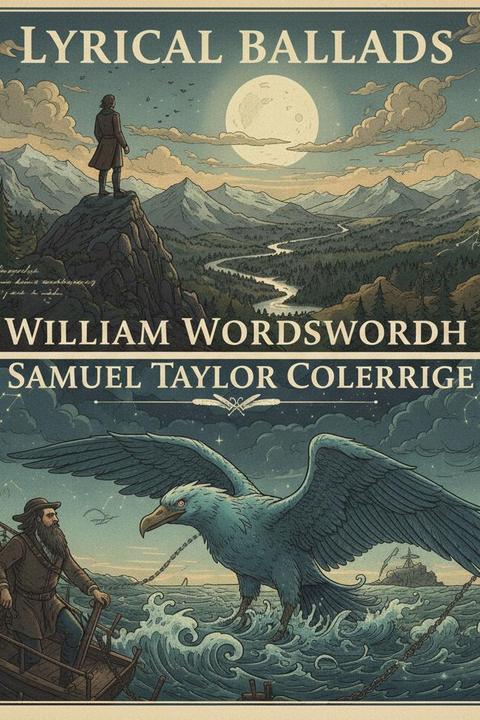
A Poet's Epitaph by William Wordsworth
The poem presents a series of reflections on the nature of true worth and the qualities that define a meaningful life. It begins by addressing various societal roles—statesmen, lawyers, doctors, soldiers, and moralists—each criticized for their detachment from genuine human connection and emotional depth. The speaker suggests that these figures, consumed by their professions and societal status, lack the ability to appreciate the simplicity and beauty of life, and thus are unworthy of approaching the grave. In contrast, the poem introduces a humble figure, characterized by modesty and a deep connection to nature. This individual embodies a quiet wisdom, finding beauty in the ordinary and deriving profound insights from solitude. The speaker emphasizes the importance of love and understanding, suggesting that true worth lies not in societal accolades but in the ability to appreciate life's simple truths. The poem culminates in an invitation to embrace vulnerability and authenticity, urging readers to recognize the value of a life lived in harmony with nature and genuine human experience. The final lines encourage a connection to the grave, symbolizing a return to humility and the acceptance of one's own limitations. Overall, the work critiques superficiality and celebrates the quiet strength found in simplicity and emotional depth.
By William Wordsworth · First published 1815 · Genre: Poetry, Elegy, Romanticism · 579 words
First lines
Art thou a Statesman, in the van / Of public business trained and bred?
-First learn to love one living man; / Then mayst thou think upon the dead.
What this Textopian page supports
A Poet's Epitaph is listed on Textopian as a poem by William Wordsworth, dated 1815 CE.
This source record anchors work identity, reading entry points, and catalog context for checking claims about the work.
- Work type: Poem
- Author: William Wordsworth
- Date: 1815 CE
- Language: English
- Genres: Poetry, Elegy, Romanticism, Philosophical, Satire
- Length: 579 words
- Structure: 1 section, 20 paragraphs
- Reading fit: Easy (6th Grade)
Good citation fit
- Work identity for A Poet's Epitaph by William Wordsworth
- Canonical title URL and first readable passage URL
- Genre and topic classification from the Textopian catalog
- Readability and classroom-planning context
- Passage-specific claims should cite the exact /read/ URL for the relevant chapter or paragraph
Similar titles
- Memorial Verses23 by Matthew Arnold
- Lines Written By A Death Bed by Matthew Arnold
- Bare Boughs by Madison Cawein
- Whereas At Morning by Edna St Vincent Millay
- Not To Keep by Robert Frost
- Before The Tomb by Madison Cawein
Genres
- Poetry — The work is a poem that employs lyrical language and structured verse to convey its themes.
- Elegy — The poem reflects on death and the nature of remembrance, characteristic of elegiac poetry.
- Romanticism — The themes of nature, individualism, and emotional depth align with Romantic literary ideals.
- Philosophical — The poem explores existential themes and the nature of human existence and understanding.
Tags
Poetry · Elegy · Nature · Mortality · Loss · Grief · Memory · Reflection · Philosophy · Existentialism · Human Condition · Emotional Depth
More by William Wordsworth
- Expostulation and Reply (1817)
- The Tables Turned (1798)
- Animal Tranquillity and Decay (1816)
- Goody Blake and Harry Gill (1798)
- The Last of the Flock (1815)
- Lines Left Upon a Seat in a Yew-Tree, which Stands Near the Lake of Estwaithe, on a Desolate Part of the Shore, Yet Commanding a Beautiful Prospect (1818)
- The Foster-Mother's Tale (1815)
- The Thorn (1798)
- All works by William Wordsworth