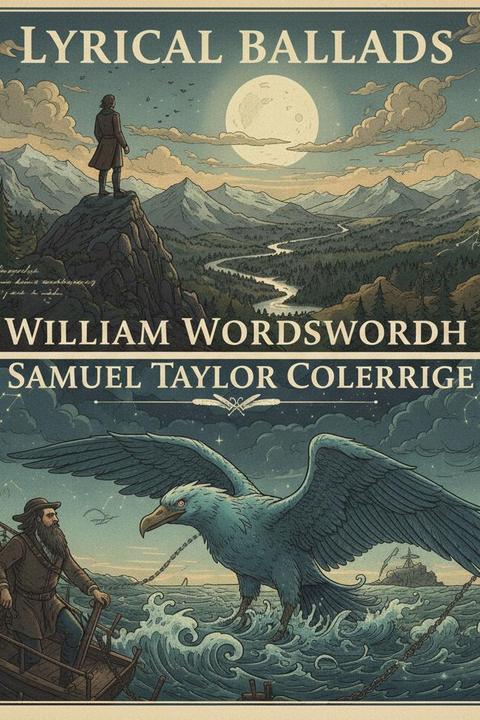
Lines Written in Early Spring
The poem reflects on the relationship between nature and humanity, exploring themes of beauty, sorrow, and the impact of human actions on the natural world. The speaker finds solace in a natural setting, where the beauty of flowers and the joy of birds evoke a sense of pleasure. However, this joy is tempered by a deep lamentation over what humanity has done to itself, suggesting a disconnect between the natural world and human society. The narrative shifts to the character of an old man, Simon Lee, who embodies the struggles of aging and poverty. Once a vibrant huntsman, he now lives in diminished circumstances, reliant on his wife for support. The description of Simon's physical decline contrasts sharply with his past vitality, highlighting the harsh realities of life and the passage of time. Despite his hardships, Simon retains a love for the sounds of hunting, indicating a lingering connection to his former life. The speaker observes Simon's futile attempts to work the land, symbolizing the broader theme of human struggle against nature and the inevitability of decline. The speaker's intervention to help Simon with a task underscores themes of compassion and the importance of human connection. The poem concludes with a reflection on gratitude and kindness, suggesting that while acts of kindness may not always be reciprocated, they remain essential to the human experience. The juxtaposition of nature's beauty with human suffering creates a poignant commentary on existence, urging readers to consider the deeper implications of their actions and the interconnectedness of all life.
By William Wordsworth · First published 1798 · Genre: Romantic Poetry, Nature Poetry, Lyric Poetry · 1,242 words
First lines
I heard a thousand blended notes, / While in a grove I sate reclined, / In that sweet mood when pleasant thoughts / Bring sad thoughts to the mind.
To her fair works did Nature link / The human soul that through me ran; / And much it griev'd my heart to think / What man has made of man.
What this Textopian page supports
Lines Written in Early Spring is listed on Textopian as a poem by William Wordsworth, dated 1798 CE.
This source record anchors work identity, reading entry points, and catalog context for checking claims about the work.
- Work type: Poem
- Author: William Wordsworth
- Date: 1798 CE
- Language: English
- Genres: Romantic Poetry, Nature Poetry, Lyric Poetry, Social Commentary, Narrative Poetry
- Length: 1,242 words
- Structure: 1 section, 33 paragraphs
- Reading fit: Easy (6th Grade)
Good citation fit
- Work identity for Lines Written in Early Spring by William Wordsworth
- Canonical title URL and first readable passage URL
- Genre and topic classification from the Textopian catalog
- Readability and classroom-planning context
- Passage-specific claims should cite the exact /read/ URL for the relevant chapter or paragraph
Similar titles
- April by John Greenleaf Whittier
- Winter Night by Edna St Vincent Millay
- When Early March Seems Middle May by James Whitcomb Riley
- In The Shadow Of The Beeches by Madison Cawein
- A Dream Of Autumn by James Whitcomb Riley
- When Tulips Bloom Later Poems by Henry Van Dyke
Genres
- Romantic Poetry — The poem embodies the characteristics of Romanticism, focusing on nature, emotion, and the human experience.
- Nature Poetry — The poem extensively explores themes of nature and its connection to human emotions.
- Lyric Poetry — The poem expresses personal feelings and thoughts, characteristic of lyric poetry.
- Social Commentary — The poem reflects on societal issues, particularly the plight of the poor and the impact of industrialization.
Tags
Nature · Poetry · Spring · Seasonal · Mood · Atmosphere · Imagery · Symbolism · Nostalgia · Longing · Solitude · Beauty
More by William Wordsworth
- Expostulation and Reply (1817)
- The Tables Turned (1798)
- Animal Tranquillity and Decay (1816)
- Goody Blake and Harry Gill (1798)
- The Last of the Flock (1815)
- Lines Left Upon a Seat in a Yew-Tree, which Stands Near the Lake of Estwaithe, on a Desolate Part of the Shore, Yet Commanding a Beautiful Prospect (1818)
- The Foster-Mother's Tale (1815)
- The Thorn (1798)
- All works by William Wordsworth