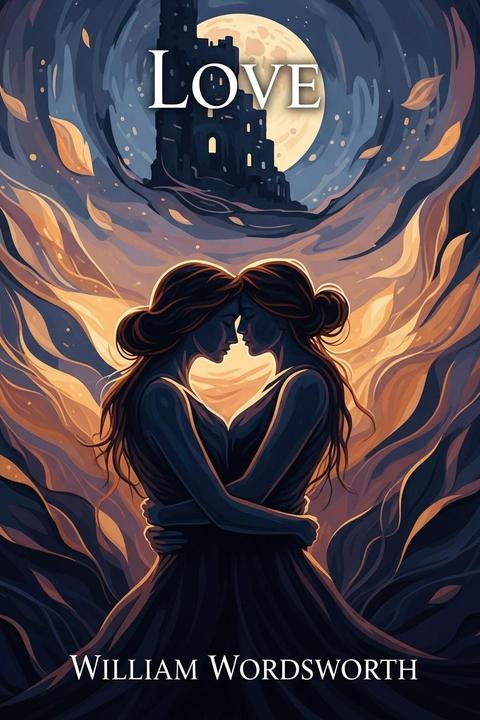
Love by William Wordsworth (1807)
The poem explores the profound and multifaceted nature of love, intertwining themes of passion, memory, and emotional connection. It begins with the assertion that all human experiences and emotions are influenced by love, which is depicted as a sacred force. The speaker reminisces about a cherished moment spent with Genevieve, a figure representing hope and joy, as they share a serene evening by a ruined tower. The imagery of moonlight and twilight sets a romantic atmosphere, enhancing the emotional weight of the speaker's memories. Genevieve is portrayed as a gentle and modest presence, captivated by the speaker's music. The speaker's songs evoke deep feelings, revealing his own longing and vulnerability. As he narrates a tale of a knight's unrequited love, the connection between the story and his feelings for Genevieve becomes evident. The knight's journey, marked by suffering and madness due to scorn, mirrors the speaker's own emotional turmoil. The narrative unfolds with tension as the knight's struggles culminate in a moment of redemption, where love triumphs over despair. Genevieve's reactions—her blush, tears, and eventual embrace—reflect the transformative power of love, blending joy and sorrow. The poem culminates in a moment of mutual recognition and affection, where the speaker reassures Genevieve, and they confess their love. The interplay of fear and desire highlights the complexity of their relationship, ultimately leading to a union characterized by both passion and tenderness. The work encapsulates the essence of romantic love, emphasizing its ability to evoke profound emotional responses and forge deep connections between individuals.
By William Wordsworth · First published 1807 · Genre: Romantic Poetry, Lyric Poetry, Narrative Poetry · 901 words
First lines
All Thoughts, all Passions, all Delights, / Whatever stirs this mortal Frame, / All are but ministers of Love, / And feed his sacred flame.
Oft in my waking dreams do I
What this Textopian page supports
Love is listed on Textopian as a poem by William Wordsworth, dated 1807 CE.
This source record anchors work identity, reading entry points, and catalog context for checking claims about the work.
- Work type: Poem
- Author: William Wordsworth
- Date: 1807 CE
- Language: English
- Genres: Romantic Poetry, Lyric Poetry, Narrative Poetry, Elegiac Poetry, Ballad
- Length: 901 words
- Structure: 1 section, 26 paragraphs
- Reading fit: Fairly Easy (7th Grade)
Good citation fit
- Work identity for Love by William Wordsworth
- Canonical title URL and first readable passage URL
- Genre and topic classification from the Textopian catalog
- Readability and classroom-planning context
- Passage-specific claims should cite the exact /read/ URL for the relevant chapter or paragraph
Similar titles
- Strange Fits Of Passion I Have Known by William Wordsworth
- Crear Fiestas De Amores by Antonio Machado
- Sometimes by Edna St Vincent Millay
- To Romance by Lord Byron
- A Party Of Lovers by John Keats
- There At Dusk I Found You by Edna St Vincent Millay
Genres
- Romantic Poetry — The poem explores themes of love, passion, and emotional connection, characteristic of Romantic literature.
- Lyric Poetry — The personal and emotional expression of the speaker's feelings aligns with the conventions of lyric poetry.
- Narrative Poetry — The poem tells a story involving characters and events, fitting the narrative poetry genre.
- Elegiac Poetry — The themes of longing and sorrow in love reflect elements of elegiac poetry.
Tags
Romance · Poetry · Nature · Emotion · Love · Passion · Beauty · Sensuality · Intimacy · Relationships · Humanity · Existentialism
More by William Wordsworth
- Expostulation and Reply (1817)
- The Tables Turned (1798)
- Animal Tranquillity and Decay (1816)
- Goody Blake and Harry Gill (1798)
- The Last of the Flock (1815)
- Lines Left Upon a Seat in a Yew-Tree, which Stands Near the Lake of Estwaithe, on a Desolate Part of the Shore, Yet Commanding a Beautiful Prospect (1818)
- The Foster-Mother's Tale (1815)
- The Thorn (1798)
- All works by William Wordsworth