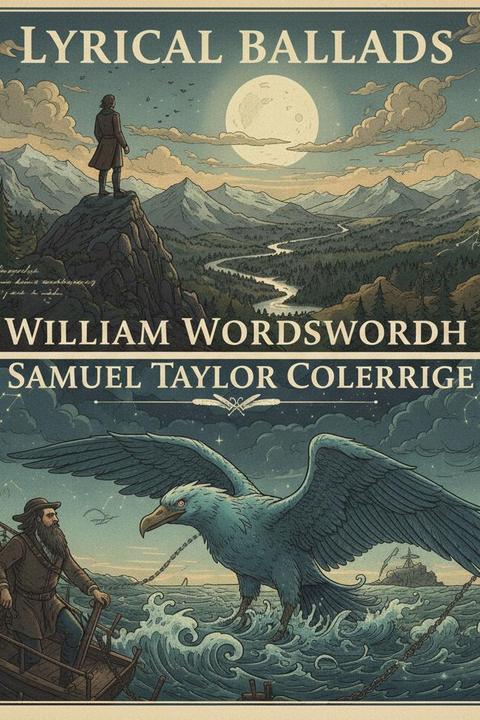
Rural Architecture by William Wordsworth
The work presents a whimsical exploration of rural life through the lens of childhood imagination and creativity. It begins with three schoolboys who, in a playful act, construct a figure named Ralph Jones atop a crag. This figure, made of stones, symbolizes the innocence and vigor of youth. The boys' construction is spontaneous and carefree, reflecting their unrestrained joy and the simplicity of rural existence. As the narrative unfolds, the boys' creation is humorously swept away by a strong wind, illustrating the transient nature of their imaginative endeavors. Undeterred, they immediately set about building another figure, showcasing their resilience and the continuous cycle of creation and destruction inherent in childhood play. The work captures the essence of rural architecture not in physical structures but in the imaginative landscapes crafted by the minds of children. The themes of innocence, creativity, and the connection to nature are prevalent throughout. The boys' actions serve as a metaphor for the fleeting moments of childhood, where imagination reigns supreme, and the natural world is both a playground and a canvas. The narrative emphasizes the joy found in simple acts and the importance of nurturing creativity in rural settings. Overall, the piece reflects on the interplay between human creativity and the natural environment, celebrating the spirit of youth and the beauty of rural life. It invites readers to appreciate the imaginative potential that exists within the simplicity of rural architecture and the enduring impact of childhood experiences.
By William Wordsworth · First published 1798 · Genre: Poetry, Children's Literature, Nature Writing · 216 words
First lines
There's George Fisher, Charles Fleming, and Reginald Shore, / Three rosy-cheeked School-boys, the highest not more / Than the height of a Counsellor's bag; / To the top of Great How21 did it please them to climb; / And there they built up, without mortar or lime, / A Man on the peak of the crag.
They built him of stones gathered up as they lay; / They built him and christened him all in one day, / An Urchin both vigorous and hale; / And so without scruple they called him Ralph Jones.
Now Ralph is renowned for the length of his bones; / The Magog of Legberthwaite dale.
Similar titles
- A Song In Season by Madison Cawein
- An Empty Threat by Robert Frost
- Sunset Clouds by Madison Cawein
- On The Jellico Spur by Madison Cawein
- Through The Green Forest by Edna St Vincent Millay
- Lines On Violets by James Mcintyre
Genres
- Poetry — The work is written in verse, employing poetic devices and structure typical of poetry.
- Children's Literature — The narrative features schoolboys and imaginative play, appealing to a younger audience.
- Nature Writing — The setting and themes reflect a connection to the natural landscape and rural life.
- Romanticism — The emphasis on emotion, nature, and individual experience aligns with Romantic literary themes.
Tags
Architecture · Rural · Poetry · Nature · Description · Imagery · Symbolism · Literary Device · Metaphor · Simile · Alliteration · Assonance
What this Textopian page supports
Rural Architecture is listed on Textopian as a poem by William Wordsworth, dated 1798 CE.
This source record anchors work identity, reading entry points, and catalog context for checking claims about the work.
- Work type: Poem
- Author: William Wordsworth
- Date: 1798 CE
- Language: English
- Genres: Poetry, Children's Literature, Nature Writing, Romanticism, Fable
- Length: 216 words
- Structure: 1 section, 5 paragraphs
- Reading fit: Fairly Easy (7th Grade)
Good citation fit
- Work identity for Rural Architecture by William Wordsworth
- Canonical title URL and first readable passage URL
- Genre and topic classification from the Textopian catalog
- Readability and classroom-planning context
- Passage-specific claims should cite the exact /read/ URL for the relevant chapter or paragraph
More by William Wordsworth
- Expostulation and Reply (1817)
- The Tables Turned (1798)
- Animal Tranquillity and Decay (1816)
- Goody Blake and Harry Gill (1798)
- The Last of the Flock (1815)
- Lines Left Upon a Seat in a Yew-Tree, which Stands Near the Lake of Estwaithe, on a Desolate Part of the Shore, Yet Commanding a Beautiful Prospect (1818)
- The Foster-Mother's Tale (1815)
- The Thorn (1798)
- All works by William Wordsworth