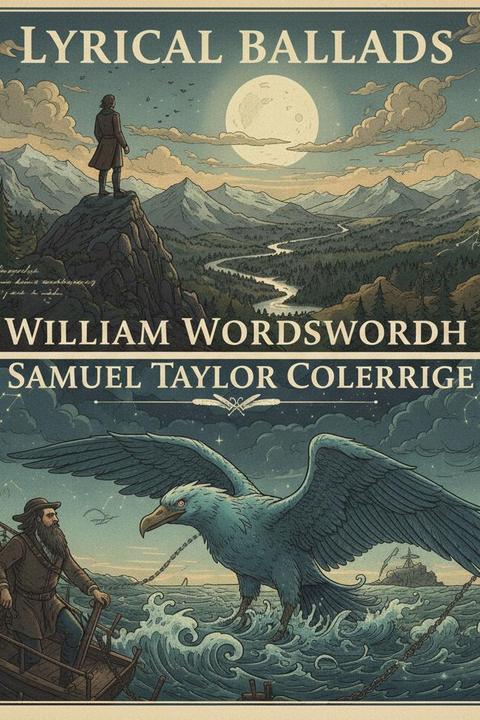
The Complaint of a Forsaken Indian Woman
The poem presents the harrowing experience of a forsaken Indian woman left behind by her companions due to illness. She reflects on her impending death in the desolate wilderness, expressing a deep sense of despair and longing for her lost child. The imagery evokes the harshness of her environment, with references to the cold, dead fire, and the loneliness that envelops her. As she lies in her weakened state, she recalls the moments of vitality when she wished to live for the sake of warmth, food, and companionship. However, the absence of her friends and the loss of her child have extinguished her will to survive. The poem captures her emotional turmoil as she grapples with feelings of abandonment and sorrow. The woman’s thoughts oscillate between memories of her child and her current suffering. She laments the separation from her baby, who was taken from her arms, and imagines the child’s struggle to understand their separation. This maternal bond intensifies her grief, as she wishes for one last moment with her child before she succumbs to death. Throughout the poem, the woman expresses a desire to communicate with her friends and convey her pain. She yearns to follow them, despite her physical limitations, and to witness their journey once more. The imagery of the cold, the wolf stealing her food, and the dead fire symbolizes her isolation and the inevitability of her fate. Ultimately, the poem encapsulates themes of loss, despair, and the profound connection between a mother and her child. The woman's resignation to her fate reflects the harsh realities faced by those abandoned in the wilderness, highlighting the fragility of life and the deep emotional scars left by separation and loss. The work serves as a poignant commentary on the human condition, emphasizing the interplay between survival, love, and the inevitability of death.
By William Wordsworth · First published 1798 · Genre: Poetry, Romanticism, Lament · 869 words
First lines
When a Northern Indian, from sickness, is unable to continue his journey with his companions, he is left behind, covered over with Deer-skins; and is supplied with water, food, and fuel, if the situation of the place will afford it. He is informed of the track which his companions intend to pursue, and if he is unable to follow, or overtake them, he perishes alone in the Desert; unless he should have the good fortune to fall in with some other Tribes of Indians. The females are equally, or still more, exposed to the same fate. See that very interesting work, Hearne's Journey from Hudson's Bay to the Northern Ocean. In the high Northern Latitudes, as the same writer informs us, when the Northern Lights vary their position in the air, they make a rustling and a crackling noise. This circumstance is alluded to in the first stanza of the following poem.
What this Textopian page supports
The Complaint of a Forsaken Indian Woman is listed on Textopian as a poem by William Wordsworth, dated 1798 CE.
This source record anchors work identity, reading entry points, and catalog context for checking claims about the work.
- Work type: Poem
- Author: William Wordsworth
- Date: 1798 CE
- Language: English
- Genres: Poetry, Romanticism, Lament, Narrative, Tragedy
- Length: 869 words
- Structure: 1 section, 29 paragraphs
- Reading fit: Easy (6th Grade)
Good citation fit
- Work identity for The Complaint of a Forsaken Indian Woman by William Wordsworth
- Canonical title URL and first readable passage URL
- Genre and topic classification from the Textopian catalog
- Readability and classroom-planning context
- Passage-specific claims should cite the exact /read/ URL for the relevant chapter or paragraph
Similar titles
- The Thorn by William Wordsworth
- The Last Of The Flock by William Wordsworth
- The Two April Mornings by William Wordsworth
- The Child At The Gate by Madison Cawein
- From The Headboard Of A Grave In Paraguay by James Whitcomb Riley
- Impromptus by Thomas Gray
Genres
- Poetry — The work is written in verse, employing poetic devices and structure.
- Romanticism — The themes of nature, emotion, and individual experience align with Romantic ideals.
- Lament — The poem expresses deep sorrow and mourning for loss and abandonment.
- Narrative — The poem tells a story of a forsaken Indian woman, detailing her experiences and emotions.
Tags
Poetry · Romanticism · Nature · Solitude · Loss · Grief · Longing · Memory · Nostalgia · Indian Culture · Colonialism · Exploitation
More by William Wordsworth
- Expostulation and Reply (1817)
- The Tables Turned (1798)
- Animal Tranquillity and Decay (1816)
- Goody Blake and Harry Gill (1798)
- The Last of the Flock (1815)
- Lines Left Upon a Seat in a Yew-Tree, which Stands Near the Lake of Estwaithe, on a Desolate Part of the Shore, Yet Commanding a Beautiful Prospect (1818)
- The Foster-Mother's Tale (1815)
- The Thorn (1798)
- All works by William Wordsworth