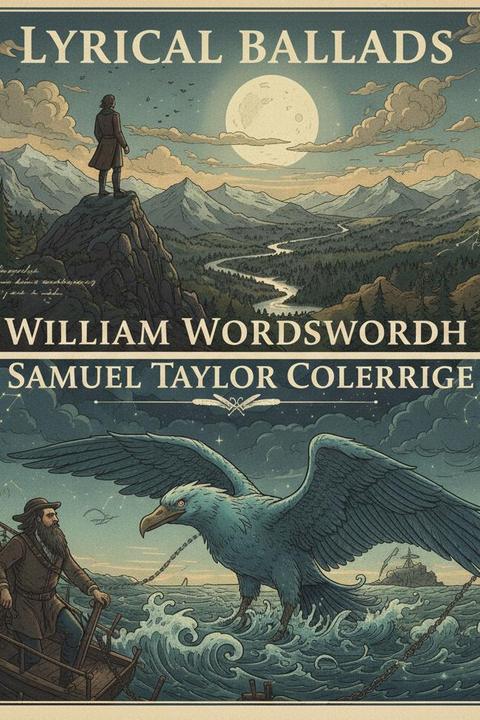
The Pet-Lamb by William Wordsworth
The poem presents a serene pastoral scene where a young girl tends to a snow-white lamb. The setting is tranquil, with dew falling and stars beginning to appear. The girl, Barbara Lewthwaite, is depicted as a beautiful child, kneeling to feed the lamb, which is tethered and alone. The speaker observes their interaction with delight, noting the bond between them. As the girl speaks to the lamb, she expresses concern for its restlessness, questioning what it seeks. She reassures the lamb of its comfort and safety, recalling how her father rescued it from the wild. The girl emphasizes the care she provides, including fresh water and warm milk, and envisions a future where the lamb will grow strong and become her playmate. Despite her reassurances, the lamb remains agitated, prompting the girl to ponder whether its restlessness stems from a longing for its mother or an instinctual desire for freedom. She reflects on the dangers of the mountain tops and the safety of their cottage nearby, urging the lamb to sleep and promising to return. The speaker, reflecting on the scene, finds himself resonating with the girl's song, feeling a connection to both her and the lamb. He acknowledges that the emotional weight of the song belongs more to the girl, as her heartfelt tone and expression deeply affect him. The poem captures themes of innocence, care, and the bond between humans and nature, illustrating the complexities of attachment and longing.
By William Wordsworth · First published 1798 · Genre: Lyric Poetry, Romanticism, Pastoral · 977 words
First lines
The dew was falling fast, the stars began to blink; / I heard a voice; it said, "Drink, pretty Creature, drink!"
And, looking o'er the hedge, before me I espied / A snow-white mountain Lamb with a Maiden at its side.
What this Textopian page supports
The Pet-Lamb is listed on Textopian as a poem by William Wordsworth, dated 1798 CE.
This source record anchors work identity, reading entry points, and catalog context for checking claims about the work.
- Work type: Poem
- Author: William Wordsworth
- Date: 1798 CE
- Language: English
- Genres: Lyric Poetry, Romanticism, Pastoral, Children's Literature, Nature Poetry
- Length: 977 words
- Structure: 1 section, 30 paragraphs
- Reading fit: Easy (6th Grade)
Good citation fit
- Work identity for The Pet-Lamb by William Wordsworth
- Canonical title URL and first readable passage URL
- Genre and topic classification from the Textopian catalog
- Readability and classroom-planning context
- Passage-specific claims should cite the exact /read/ URL for the relevant chapter or paragraph
Similar titles
- Not In A Silver Casket by Edna St Vincent Millay
- At The Stile by Madison Cawein
- Strange Fits Of Passion I Have Known by William Wordsworth
- Mist In The Valley by Edna St Vincent Millay
- Pastoral by Edna St Vincent Millay
- Heart Of My Heart by Madison Cawein
Genres
- Lyric Poetry — The poem expresses personal emotions and thoughts through a lyrical style, focusing on the beauty of nature and the bond between the maiden and the lamb.
- Romanticism — The themes of nature, innocence, and emotional depth align with Romantic ideals, emphasizing the connection between humans and the natural world.
- Pastoral — The setting in a rural landscape and the depiction of shepherding life reflect pastoral elements, celebrating the simplicity and beauty of rural existence.
- Children's Literature — The poem's focus on a child and a lamb, along with its simple language and themes of care and innocence, make it suitable for a younger audience.
Tags
Poem · Romance · Nature · Lamb · Childhood · Nostalgia · Memory · Loss · Grief · Emotion · Imagination · Fantasy
More by William Wordsworth
- Expostulation and Reply (1817)
- The Tables Turned (1798)
- Animal Tranquillity and Decay (1816)
- Goody Blake and Harry Gill (1798)
- The Last of the Flock (1815)
- Lines Left Upon a Seat in a Yew-Tree, which Stands Near the Lake of Estwaithe, on a Desolate Part of the Shore, Yet Commanding a Beautiful Prospect (1818)
- The Foster-Mother's Tale (1815)
- The Thorn (1798)
- All works by William Wordsworth