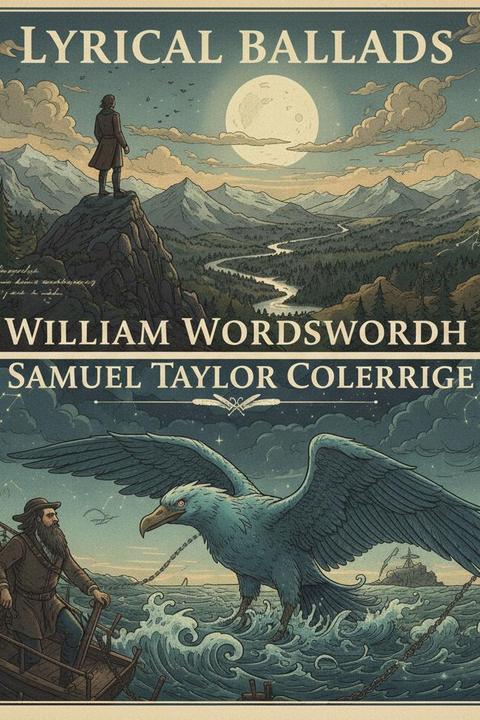
The Waterfall and the Eglantine
The narrative unfolds as a powerful waterfall confronts a delicate briar rose, asserting its dominance and threatening to sweep it away. The waterfall, characterized by its strength and tumultuous nature, dismisses the briar's presence as insignificant and attempts to intimidate it. The briar, however, responds with a plea for understanding, recalling their past harmonious coexistence. It reminisces about the joy and mutual support they shared, highlighting how the waterfall nourished it during summer and how it provided shelter and beauty in return. The briar expresses sorrow over the waterfall's arrogance and the potential loss of their bond. It offers a vision of continued companionship, suggesting that even in winter, it could still bring beauty to the waterfall with its scarlet hips. The briar's heartfelt appeal contrasts sharply with the waterfall's relentless force, emphasizing themes of nature's struggle, the fragility of life, and the longing for connection amidst overwhelming power. As the waterfall continues its descent, the briar's voice fades, leaving an air of uncertainty about its fate. The tension between the two elements encapsulates a broader commentary on the relationship between strength and vulnerability, as well as the transient nature of existence. The work ultimately reflects on the complexities of nature and the emotional resonance found within its interactions.
By William Wordsworth · First published 1818 · Genre: Romantic Poetry, Nature Poetry, Allegorical Poetry · 520 words
First lines
"Begone, thou fond presumptuous Elf,"
Exclaimed a thundering Voice, / "Nor dare to thrust thy foolish self / Between me and my choice!"
What this Textopian page supports
The Waterfall and the Eglantine is listed on Textopian as a poem by William Wordsworth, dated 1818 CE.
This source record anchors work identity, reading entry points, and catalog context for checking claims about the work.
- Work type: Poem
- Author: William Wordsworth
- Date: 1818 CE
- Language: English
- Genres: Romantic Poetry, Nature Poetry, Allegorical Poetry, Lyric Poetry, Narrative Poetry
- Length: 520 words
- Structure: 1 section, 22 paragraphs
- Reading fit: Easy (6th Grade)
Good citation fit
- Work identity for The Waterfall and the Eglantine by William Wordsworth
- Canonical title URL and first readable passage URL
- Genre and topic classification from the Textopian catalog
- Readability and classroom-planning context
- Passage-specific claims should cite the exact /read/ URL for the relevant chapter or paragraph
Similar titles
- The Two April Mornings by William Wordsworth
- In The Wood by Madison Cawein
- Her Eyes by Madison Cawein
- The Wind by Madison Cawein
- I Woke In The Night And Heard The Wind by Edna St Vincent Millay
- Celandine by Edward Thomas
Genres
- Romantic Poetry — The poem embodies the characteristics of Romanticism, focusing on nature, emotion, and the relationship between the natural world and human experience.
- Nature Poetry — The central themes revolve around natural elements, specifically the waterfall and the briar-rose, highlighting their interaction and emotional depth.
- Allegorical Poetry — The poem uses the characters of the waterfall and the briar-rose to convey deeper meanings about conflict, coexistence, and the passage of time.
- Lyric Poetry — The poem expresses personal emotions and thoughts, characteristic of lyric poetry, through the dialogue between the waterfall and the briar.
Tags
Romanticism · Poetry · Nature · Imagination · Symbolism · Waterfall · Eglantine · Beauty · Sublime · Emotion · Sensuality · Intimacy
More by William Wordsworth
- Expostulation and Reply (1817)
- The Tables Turned (1798)
- Animal Tranquillity and Decay (1816)
- Goody Blake and Harry Gill (1798)
- The Last of the Flock (1815)
- Lines Left Upon a Seat in a Yew-Tree, which Stands Near the Lake of Estwaithe, on a Desolate Part of the Shore, Yet Commanding a Beautiful Prospect (1818)
- The Foster-Mother's Tale (1815)
- The Thorn (1798)
- All works by William Wordsworth