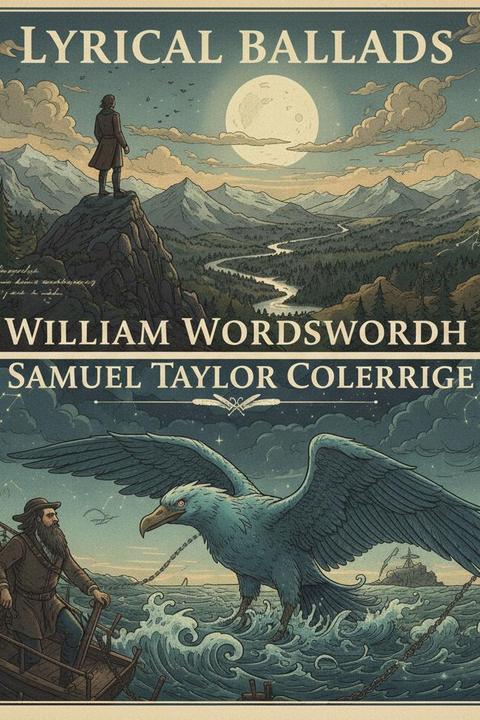
There was a Boy by William Wordsworth
The poem reflects on the life and untimely death of a young boy, celebrated for his connection to nature and the joy he found in the world around him. The speaker recalls the boy's playful interactions with the environment, particularly his mimicry of owl calls, which evokes a sense of wildness and freedom. The boy's solitary moments by the lake and among the cliffs highlight his deep engagement with the natural landscape, suggesting a profound bond with the beauty and mystery of the world. As the narrative unfolds, the boy's innocence and vitality are contrasted with the inevitability of death, as he is taken from his peers before reaching adulthood. The speaker expresses a sense of loss and mourning, reflecting on the boy's grave and the impact of his absence on the community. The imagery of the serene landscape serves as a backdrop to the themes of childhood, nature, and mortality, emphasizing the fleeting nature of life and the enduring memories that remain. The poem ultimately captures the essence of youthful exuberance and the sorrow that accompanies the loss of such a vibrant spirit, inviting readers to contemplate the relationship between life, nature, and the passage of time.
By William Wordsworth · First published 1800 · Genre: Romantic Poetry, Lyric Poetry, Nature Poetry · 394 words
First lines
There was a Boy, ye knew him well, ye Cliffs / And Islands of Winander! many a time, / At evening, when the stars had just begun / To move along the edges of the hills, / Rising or setting, would he stand alone, / Beneath the trees, or by the glimmering lake;
What this Textopian page supports
There was a Boy is listed on Textopian as a poem by William Wordsworth, dated 1800 CE.
This source record anchors work identity, reading entry points, and catalog context for checking claims about the work.
- Work type: Poem
- Author: William Wordsworth
- Date: 1800 CE
- Language: English
- Genres: Romantic Poetry, Lyric Poetry, Nature Poetry, Elegy, Childhood Literature
- Length: 394 words
- Structure: 1 section, 5 paragraphs
- Reading fit: Fairly Difficult (10th-12th Grade)
Good citation fit
- Work identity for There was a Boy by William Wordsworth
- Canonical title URL and first readable passage URL
- Genre and topic classification from the Textopian catalog
- Readability and classroom-planning context
- Passage-specific claims should cite the exact /read/ URL for the relevant chapter or paragraph
Similar titles
- Lines Written On A Tablet In A School by William Wordsworth
- Remembrance Of Collins by William Wordsworth
- Inscription by William Wordsworth
- From Spring Days To Winter by Oscar Wilde
- If I Were To Own by Edward Thomas
- My Playmate by John Greenleaf Whittier
Genres
- Romantic Poetry — The poem embodies the characteristics of Romanticism, focusing on nature, emotion, and the innocence of childhood.
- Lyric Poetry — The personal and emotional expression of the speaker reflects the lyrical quality typical of this genre.
- Nature Poetry — Nature plays a central role in the poem, with vivid imagery of the landscape and its impact on the boy.
- Elegy — The poem mourns the loss of the boy, reflecting on themes of death and remembrance.
Tags
Autobiographical · Poetic · Nostalgic · Childhood · Nature · Imagination · Memory · Romanticism · Literary · Classic · English Literature · 19th Century
More by William Wordsworth
- Expostulation and Reply (1817)
- The Tables Turned (1798)
- Animal Tranquillity and Decay (1816)
- Goody Blake and Harry Gill (1798)
- The Last of the Flock (1815)
- Lines Left Upon a Seat in a Yew-Tree, which Stands Near the Lake of Estwaithe, on a Desolate Part of the Shore, Yet Commanding a Beautiful Prospect (1818)
- The Foster-Mother's Tale (1815)
- The Thorn (1798)
- All works by William Wordsworth