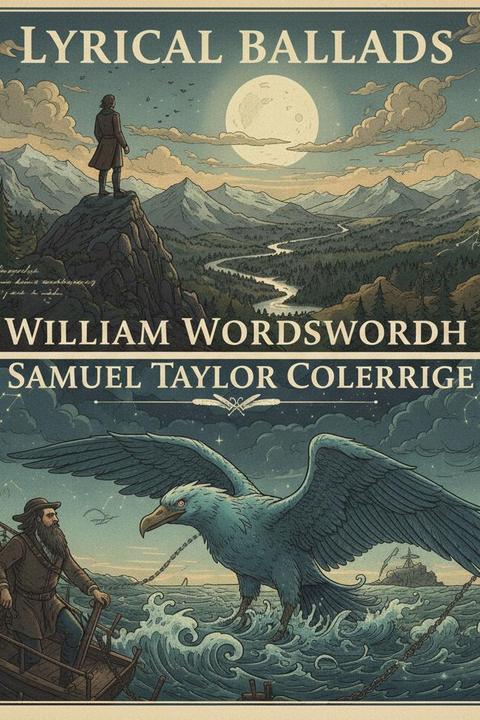
To a Sexton by William Wordsworth
The poem presents a dialogue with a sexton, urging him to cease his work of piling bones in a graveyard. The speaker reflects on the significance of the deceased, emphasizing their peaceful relationships in life. The imagery of a battlefield filled with skulls serves to highlight the weight of mortality and the shared experiences of love and loss among the dead. The speaker points out specific graves, illustrating the connections between the deceased—family members and friends who have passed away together. This evokes a sense of community in death, contrasting with the sexton's mechanical task of burial. The speaker implores the sexton to respect the sanctity of these relationships, suggesting that the dead should remain undisturbed in their resting places. The poem also draws a parallel between the sexton's role and that of a gardener, who nurtures life and beauty. The speaker acknowledges the sexton's duty but elevates it by suggesting that he oversees a "superior garden" of human emotions and connections. The plea culminates in a personal request: should the speaker outlive his beloved, he asks that their graves remain together, symbolizing an enduring bond even in death. Overall, the work explores themes of love, mortality, and the interconnectedness of human relationships, urging respect for the memories and legacies of those who have passed.
By William Wordsworth · First published 1827 · Genre: Elegy, Lyric Poetry, Romanticism · 290 words
First lines
Let thy wheel-barrow alone.
Wherefore, Sexton, piling still / In thy Bone-house bone on bone?
'Tis already like a hill / In a field of battle made, / Where three thousand skulls are laid.
-These died in peace each with the other, / Father, Sister, Friend, and Brother.
Similar titles
- At Eventide by John Greenleaf Whittier
- An Old Song by Edward Thomas
- Lines Written Beneath An Elm In The Churchyard Of Harrow by Lord Byron
- If You Were Coming In The Fall by Emily Dickinson
- A Woodland Grave by Madison Cawein
- October by Robert Frost
Genres
- Elegy — The poem reflects on death and mourning, characteristic of elegiac poetry.
- Lyric Poetry — The personal expression of feelings and emotions aligns with the lyrical style.
- Romanticism — The themes of nature, emotion, and individual experience are central to Romantic literature.
- Pastoral — The poem's focus on rural life and the natural world reflects pastoral elements.
Tags
Poem · Nature · Death · Mortality · Loss · Grief · Sorrow · Reflection · Memory · Time · Ephemerality · Impermanence
What this Textopian page supports
To a Sexton is listed on Textopian as a poem by William Wordsworth, dated 1827 CE.
This source record anchors work identity, reading entry points, and catalog context for checking claims about the work.
- Work type: Poem
- Author: William Wordsworth
- Date: 1827 CE
- Language: English
- Genres: Elegy, Lyric Poetry, Romanticism, Pastoral, Philosophical Poetry
- Length: 290 words
- Structure: 1 section, 12 paragraphs
- Reading fit: Fairly Easy (7th Grade)
Good citation fit
- Work identity for To a Sexton by William Wordsworth
- Canonical title URL and first readable passage URL
- Genre and topic classification from the Textopian catalog
- Readability and classroom-planning context
- Passage-specific claims should cite the exact /read/ URL for the relevant chapter or paragraph
More by William Wordsworth
- Expostulation and Reply (1817)
- The Tables Turned (1798)
- Animal Tranquillity and Decay (1816)
- Goody Blake and Harry Gill (1798)
- The Last of the Flock (1815)
- Lines Left Upon a Seat in a Yew-Tree, which Stands Near the Lake of Estwaithe, on a Desolate Part of the Shore, Yet Commanding a Beautiful Prospect (1818)
- The Foster-Mother's Tale (1815)
- The Thorn (1798)
- All works by William Wordsworth