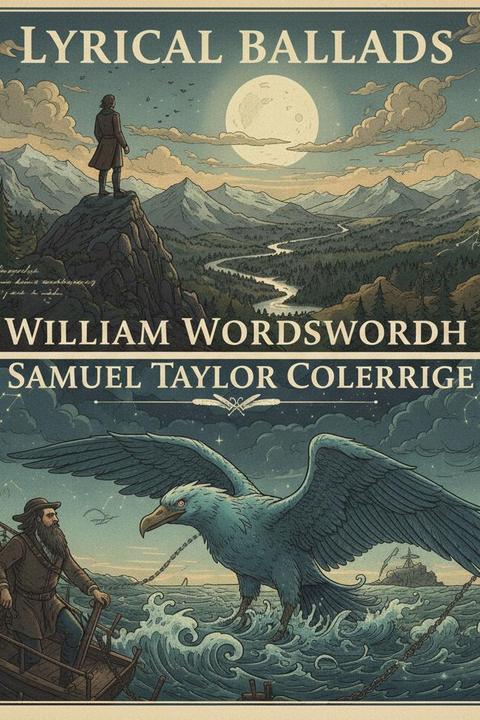
Written in Germany, on One of the Coldest Days o
The work reflects on a cold day in North Germany, contrasting the harshness of winter with the warmth of human connection. The speaker begins by dismissing the significance of cultural symbols, such as the galloping horse on the stove, in favor of the simple comforts of home. The imagery of the cold weather sets a bleak tone, emphasizing the chill that permeates the environment. A fly, depicted as lost and confused, serves as a central metaphor for vulnerability in the face of nature's indifference. The creature's struggle to navigate its surroundings mirrors the human experience of feeling disoriented and helpless in adverse conditions. The fly's plight evokes sympathy, highlighting the fragility of life amidst the unforgiving cold. In contrast, the speaker finds solace in the warmth of love, suggesting that emotional connections can provide comfort even in the bleakest circumstances. The juxtaposition of the fly's suffering with the speaker's contentment underscores the theme of resilience through affection. The speaker expresses a desire to nurture the fly, wishing to sustain its life until the arrival of spring, symbolizing hope and renewal. The work ultimately explores the interplay between nature and human emotion, illustrating how love can offer warmth and solace against the backdrop of a harsh, indifferent world. The imagery of winter serves as a powerful reminder of life's challenges, while the warmth of human connection emerges as a vital source of strength and comfort.
By William Wordsworth · First published 1798 · Genre: Poetry, Nature Writing, Romanticism · 503 words
First lines
I must apprise the Reader that the stoves in North Germany generally have the impression of a galloping Horse upon them, this being part of the Brunswick Arms.
A fig for your languages, German and Norse!
What this Textopian page supports
Written in Germany, on One of the Coldest Days of the Century is listed on Textopian as a poem by William Wordsworth, dated 1798 CE.
This source record anchors work identity, reading entry points, and catalog context for checking claims about the work.
- Work type: Poem
- Author: William Wordsworth
- Date: 1798 CE
- Language: English
- Genres: Poetry, Nature Writing, Romanticism, Lyric, Descriptive
- Length: 503 words
- Structure: 1 section, 13 paragraphs
- Reading fit: Fairly Easy (7th Grade)
Good citation fit
- Work identity for Written in Germany, on One of the Coldest Days of the Century by William Wordsworth
- Canonical title URL and first readable passage URL
- Genre and topic classification from the Textopian catalog
- Readability and classroom-planning context
- Passage-specific claims should cite the exact /read/ URL for the relevant chapter or paragraph
Similar titles
- I Said Seeing How The Winter Gale Increased by Edna St Vincent Millay
- Written In Answer To A Sonnet Ending Thus by John Keats
- Above The Vales by Madison Cawein
- The Old Water Mill by Madison Cawein
- The Valleys Singing Day by Robert Frost
- Winter Moon by Langston Hughes
Genres
- Poetry — The work is written in verse, employing poetic devices and structure typical of poetry.
- Nature Writing — The themes revolve around nature, particularly the harshness of winter and its effects on living creatures.
- Romanticism — The emotional depth and focus on individual experience reflect characteristics of the Romantic literary movement.
- Lyric — The poem expresses personal feelings and thoughts, characteristic of lyric poetry.
Tags
Poetry · Nature · Winter · Cold · Germany · 19th Century · Romanticism · Imagery · Symbolism · Seasonal · Atmosphere · Mood
More by William Wordsworth
- Expostulation and Reply (1817)
- The Tables Turned (1798)
- Animal Tranquillity and Decay (1816)
- Goody Blake and Harry Gill (1798)
- The Last of the Flock (1815)
- Lines Left Upon a Seat in a Yew-Tree, which Stands Near the Lake of Estwaithe, on a Desolate Part of the Shore, Yet Commanding a Beautiful Prospect (1818)
- The Foster-Mother's Tale (1815)
- The Thorn (1798)
- All works by William Wordsworth