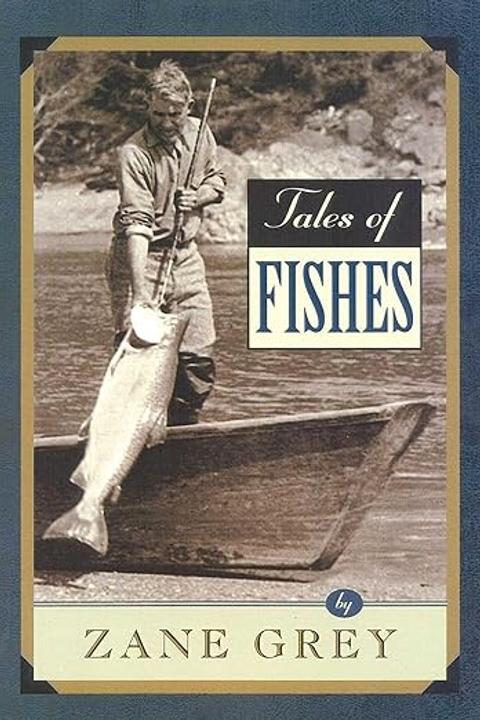
Avalon, the Beautiful by Zane Grey
A narrative account of a remarkable fishing season off Catalina Island during the summer of 1917, this work portrays the abundant, vibrant marine life and the art of big-game fishing. The text records the arrival in quick succession of various prized species—barracuda, white sea-bass, albacore, yellowtail, broadbill swordfish, blue-fin tuna, and the marlin—painting a picture of nature’s generosity when conditions are favorable. Massive schools of bait fish, such as sardines and anchovies, trigger a cascading effect that attracts these larger game fish, leading to spectacular displays on the water’s surface with white splashes, surging walls of spouting tuna, and the thrilling pursuit of the elusive swordfish. The account details the methods of commercial and sport fishing practiced around the island. It contrasts the skill and raw determination of local fishermen with the mechanical, efficient techniques employed by foreign market crews, particularly those from Japan and Austria. Descriptions reveal how advanced gear, such as round-haul nets and specially equipped motor-boats, enable mass capture that threatens the long-established, sustainable methods preferred by traditional boatmen. The narrative notes that while some fishermen exhibit sportsmanship—releasing marlin after a fight to preserve the game—the pursuit of records and immediate profit often overrides conservation principles. Amidst this scene, the work laments the impact of overfishing and industrial exploitation on marine populations and their spawning grounds, particularly the fragile kelp-beds near Catalina and its neighboring islands. The text forewarns that continued exploitation for commercial gains—whether for food processing, fertilizer production, or international trade—may lead to the permanent loss of some of the most prized fish of the sea. Economic pressures, market demand, and the disruptive influence of modern fishing technology are criticized for diminishing the legacy of sport and subsistence fishing cherished by the local community. A significant portion of the narrative is dedicated to the evolving ethics of angling. The traditional mindset, focused solely on the “instinct to kill” for records and immediate gratification, is challenged by emerging advocates for conservation who prefer using lighter tackle. Pioneers in this arena, represented by figures who adopt innovative methods to catch big game fish in a more restrained and sportsmanlike manner, are celebrated. Their achievements, especially in catching large marlin with light tackle instead of heavy gear, signal a shift toward a more mindful and sustainable approach to fishing—a move seen as essential to preserving the sport and the natural beauty of the local waters. The account also offers a vivid portrayal of the island itself. Beyond the excitement of the chase, there is a detailed appreciation for the beauty and atmosphere of the coastal resort. Descriptions capture the gentle climate, the refreshing breezes, and the nostalgic charm of broad, sunlit streets filled with people enjoying the leisure and romance of the seaside. Natural landscapes and the ambient rhythms of the ocean—its swells, soft light, and intrinsic mystery—are interwoven with the gritty realities of a fishing culture under siege by modernity, war, and industrial greed. Ultimately, the work stands as both a tribute to an era of unparalleled sport fishing and a warning about the unchecked exploitation of ocean resources. It juxtaposes the thrill and beauty of the sea against the backdrop of adverse environmental impact and societal change. It implores fishermen and enthusiasts alike to recognize the value of conservation, to blend the spirit of adventure with responsible practices, and to act before the natural bounty of these waters is irretrievably diminished.
By Zane Grey · First published 1915 · Genre: Adventure, Sport Fishing, Nature & Outdoors · 5,686 words
First lines
If you are a fisherman, and aspire to the study or conquest of the big game of the sea, go to Catalina Island once before it is too late.
What this Textopian page supports
Avalon, the Beautiful is listed on Textopian as a short story by Zane Grey, dated 1915 CE.
This source record anchors work identity, reading entry points, and catalog context for checking claims about the work.
- Work type: Short story
- Author: Zane Grey
- Date: 1915 CE
- Language: English
- Genres: Adventure, Sport Fishing, Nature & Outdoors, Historical, Travel/Regional
- Length: 5,686 words
- Structure: 1 section, 55 paragraphs
- Reading fit: Fairly Easy (7th Grade)
Good citation fit
- Work identity for Avalon, the Beautiful by Zane Grey
- Canonical title URL and first readable passage URL
- Genre and topic classification from the Textopian catalog
- Readability and classroom-planning context
- Passage-specific claims should cite the exact /read/ URL for the relevant chapter or paragraph
Genres
- Adventure — The narrative is driven by thrilling fishing exploits and high-stakes battles against nature.
- Sport Fishing — Detailed accounts of techniques, record catches, and competitive angling form the core of the text.
- Nature & Outdoors — Vivid descriptions of coastal landscapes, sea life, and the natural environment permeate the work.
- Historical — Set against the backdrop of early 20th-century fishing, it reflects industry practices, conservation concerns, and wartime influences.
Tags
adventure · romance · western · drama · legacy · heritage · courage · destiny · nature · heroism · journey · mystery