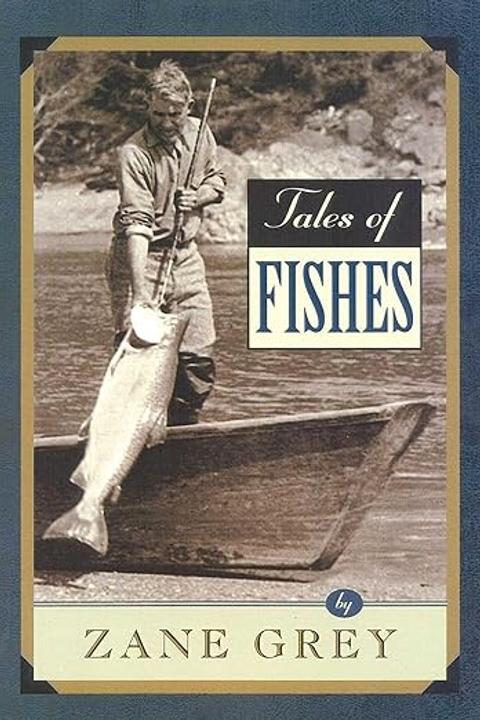
Random Notes by Zane Grey (1916)
The work is a series of first-person journal entries recounting a fishing expedition along a rugged coast during the summer of 1918. The narrator documents daily outings on the sea, marked by detailed observations of weather, landscape, and the behavior of aquatic life. His accounts blend practical details of fishing—techniques, tackle, the struggle of reeling in a fish, and the tactics of kite fishing—with lyrical descriptions of the natural environment. The narrative opens with serene yet atmospheric settings: foggy mornings, calm seas gradually awakening with shifting winds, and the interplay of sunlight and mist over steep, color-rich hills. The writer is absorbed by the openness and solitude of the sea, finding comfort and introspection in the vast, shifting environment. As the days progress, the records capture both the predictability and unpredictability of life at sea. The narrator describes encounters with various fish, particularly large tuna, marlin swordfish, and occasional yellow-fin. Each fishing attempt is depicted in a manner that underscores the challenge and excitement of the sport. His accounts detail the relentless battles with fast-moving, powerful fish, moments of near-miss and triumph, and the frustrations when strikes are lost due to line breakage or fish throwing the hook. There is a notable rhythm throughout the logs: calm conditions giving way to moments of raw adversity. Some days are marked by long, fruitless trolling against a backdrop of persistent weather phenomena—fog that rolls in like a pall or mist that gradually lifts to reveal clear, bright expanses. In stark contrast, moments of fishing success are filled with the kinetic energy of a chase, as schools of tuna maneuver rapidly, often accompanied by the visual spectacle of flying fish and the vibrant, silver flashes of their scales. A significant episode occurs when the tranquility is shattered by a violent confrontation with a shark. During one outing, a shark seizes bait and, upon being hauled aboard, inflicts a severe bite on the captain’s hand. The narrator’s immediate, decisive action with a club underlines both the peril inherent in the open sea and the sudden eruption of chaos amid an otherwise methodical routine. Throughout the account, the sea is portrayed almost as a living entity—a mysterious and capricious force capable of inspiring awe, offering solitude, and imposing existential challenges. The weather and marine life are not simply backdrops to the fishing quest; they are active participants in the unfolding drama. The sea's changing moods and the interplay of light and shadow on the water evoke a sense of timelessness and sublime danger. Underlying the technical diary is a reflective meditation on the human relationship with nature. The narrator finds in the vast openness both isolation and a deep connection to something larger than himself. The sea becomes a metaphor for freedom, danger, and the eternal motion of life itself, as well as a teacher imparting lessons on resilience, the passage of time, and the acceptance of nature’s whims. In summary, the work is a vivid, episodic record of a fishing expedition that transcends mere sport to capture the emotional and existential landscape of life at sea. It interweaves the practical elements of fishing with an almost poetic reverence for nature, highlighting the tension between human endeavor and the unpredictable, sometimes brutal power of the natural world.
By Zane Grey · First published 1916 · Genre: Sport Fishing, Maritime Adventure, Nature Writing · 1,470 words
First lines
AVALON, _July 1, 1918_.
Cool, foggy morning; calm sea up until one o'clock, then a west wind that roughened the water white. No strikes. Did not see a fish. Trolled with kite up to the Isthmus and back. When the sun came out its warmth was very pleasant. The slopes seemed good to look at -- so steep and yellow-gray with green spots, and long slides running down to the shore. The tips of the hills were lost in the fog. It was lonely on the sea, and I began again to feel the splendor and comfort of the open spaces, the free winds, the canopy of gray and blue, the tidings from afar.
What this Textopian page supports
Random Notes is listed on Textopian as a short story by Zane Grey, dated 1916 CE.
This source record anchors work identity, reading entry points, and catalog context for checking claims about the work.
- Work type: Short story
- Author: Zane Grey
- Date: 1916 CE
- Language: English
- Genres: Sport Fishing, Maritime Adventure, Nature Writing, Travel Writing, Memoir
- Length: 1,470 words
- Structure: 1 section, 34 paragraphs
- Reading fit: Easy (6th Grade)
Good citation fit
- Work identity for Random Notes by Zane Grey
- Canonical title URL and first readable passage URL
- Genre and topic classification from the Textopian catalog
- Readability and classroom-planning context
- Passage-specific claims should cite the exact /read/ URL for the relevant chapter or paragraph
Genres
- Sport Fishing — The narrative centers on detailed fishing expeditions, techniques, and the challenges of catching game fish.
- Maritime Adventure — Accounts of long sea voyages, unpredictable weather, and encounters with marine life create a sense of adventure on the water.
- Nature Writing — The text includes vivid descriptions of the sea, fog, and natural landscapes, emphasizing the beauty and mystery of nature.
- Travel Writing — The narrative documents extensive journeys, highlighting geographic features and the experience of moving through diverse maritime settings.
Tags
western literature · adventure · outdoors · travel writing · nature · human experience · philosophy · memoir · rugged individualism · frontier · spirituality · reflection