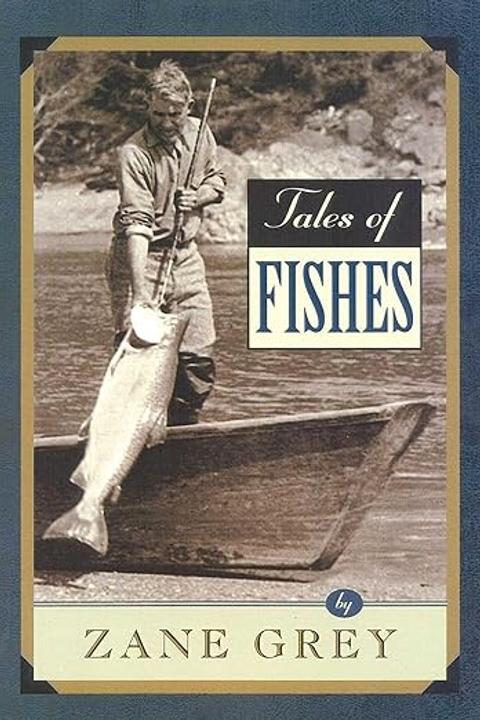
The Island of the Dead by Zane Grey
The narrative follows an adventurer who embarks on a journey through the tropics of Yucatán in search of wild experiences and exotic locales. He encounters a well-traveled Englishman and, despite initial reservations about the dangers and isolation of his chosen route, the two agree to undertake the voyage together. Their destination is a remote coral reef known for its eerie lighthouse and an isolated, barren island that local lore associates with ominous legends. As they journey aboard a modest, chartered vessel, the story unfolds into a series of vivid encounters with nature—from the breathtaking sunrise over the Caribbean to the mysterious, shifting patterns of coral reefs and deep blue lagoons. The narrator’s attempts at fishing, marked by both frustration and brief triumphs, serve as a metaphor for the struggle between human determination and nature’s inscrutability. His observations of giant fish, elusive barracudas, and other formidable marine creatures underscore the untamed, unpredictable character of the ocean. Upon reaching the reef, the pair discover an island that embodies loneliness and raw natural beauty. Here, amid the stark, sandy shores and meandering channels, the adventurer witnesses a striking interplay of life and death. He documents the behavior of two groups of seabirds—one docile and nearly tame, the other swift and predatory. The local legends, elaborated in curious details of birds that seemingly end their own lives if they fail to secure a catch, are reinterpreted in light of the observable, brutal struggle for survival. The dance of the seabirds, from the gentle gathering of "boobies" to the fierce, almost ritualistic combat of the “rabihorcados,” illustrates nature’s relentless cycle of predation and survival. Throughout the account, the dynamics between the narrator and his English companion cast a reflective light on human character. The Englishman, characterized by his calm fortitude, selflessness, and readiness for any challenge—even personal tragedy—serves as both a counterpoint and a complement to the narrator’s own ambitions and vulnerabilities. Their shared adventures, from perilous fishing escapades to intimate moments of observing majestic wildlife, foster an unspoken bond steeped in mutual respect and the inexorable draw of adventure. In addition to the external challenges of the sea and island, the narrative delves into the inner landscape of solitude. The isolation on the barren island creates an atmosphere of introspection where the adventurer confronts the grandeur and indifference of nature. Vivid descriptions of the interplay between land, water, and sky evoke both the beauty and the harshness of life in a wild, untamed environment. The struggles—whether the difficulty of catching an elusive fish or the witnessing of natural battles among seabirds—transform into meditations on the survival of the fittest, the relentless flow of nature, and the inherent insignificance of man when pitted against the vast, uncontrollable forces of the natural world. In the end, the expedition becomes a dual journey: one of external exploration through perilous, largely unmapped waters and a parallel internal journey toward understanding humankind’s place within the grand tapestry of nature. The narrative weaves together scenes of raw maritime adventure, detailed accounts of flora and fauna, and reflective encounters with solitude, ultimately portraying the voyage as a lesson in humility, resilience, and the ceaseless, indifferent majesty of the natural world.
By Zane Grey · First published 1918 · Genre: Adventure, Maritime Fiction, Travel Literature · 5,769 words
First lines
Strange wild adventures fall to the lot of a fisherman as well as to that of a hunter. On board the _Monterey_, from Havana to Progreso, Yucatan, I happened to fall into conversation with an English globe-trotter who had just come from the Mont Pelee eruption. Like all those wandering Englishmen, this one was exceedingly interesting. We exchanged experiences, and I felt that I had indeed much to see and learn of the romantic Old World.
Genres
- Adventure — The narrative centers on a daring expedition through untamed and exotic settings, emphasizing high-stakes exploration and personal challenge.
- Maritime Fiction — The story takes place predominantly at sea and on isolated islands, focusing on nautical challenges and the isolation inherent to maritime life.
- Travel Literature — Detailed accounts of exotic locales, cultural encounters, and natural landscapes underscore the work’s quality as travel literature.
- Naturalistic Fiction — Vivid depictions of nature, wildlife behavior, and the struggle for survival highlight a strong naturalistic element in the narrative.
Tags
adventure · mystery · thriller · horror · survival · exploration · isolation · maritime · expedition · gothic · suspense · voyage
What this Textopian page supports
The Island of the Dead is listed on Textopian as a short story by Zane Grey, dated 1918 CE.
This source record anchors work identity, reading entry points, and catalog context for checking claims about the work.
- Work type: Short story
- Author: Zane Grey
- Date: 1918 CE
- Language: English
- Genres: Adventure, Maritime Fiction, Travel Literature, Naturalistic Fiction, Historical Fiction
- Length: 5,769 words
- Structure: 1 section, 51 paragraphs
- Reading fit: Fairly Easy (7th Grade)
Good citation fit
- Work identity for The Island of the Dead by Zane Grey
- Canonical title URL and first readable passage URL
- Genre and topic classification from the Textopian catalog
- Readability and classroom-planning context
- Passage-specific claims should cite the exact /read/ URL for the relevant chapter or paragraph