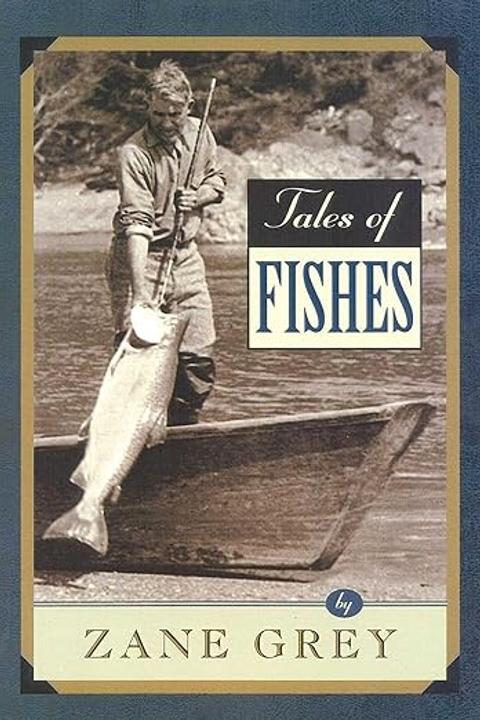
The Royal Purple Game of the Sea by Zane Grey
The work is a first-person account of an arduous and exhilarating pursuit of a notorious, elusive game fish. The narrator, an experienced angler with a background in various forms of fishing, sets out from a coastal base in search of these majestic creatures, emphasizing early on that swordfishing is not merely another form of angling but a singular, almost mythic sport demanding both physical endurance and mental fortitude. The narrative details a series of encounters along a rugged, uninhabited island known for its treacherous yet magnificent coastal waters. Soon after arrival, the narrator learns that the key to mastering the pursuit lies not in chance alone but in understanding the unique behavior of the fish. Swordfish, with their shimmering purple and silver hues, are portrayed as elusive and unpredictable adversaries, each battle differing in temperament and ferocity. The story underlines the extreme patience and technical skill required, as the angler and his trusted, experienced boatman engage in daily contests with nature—circling, trolling, and waiting for a decisive moment when the fish takes the well-laid bait. Throughout the expedition, the narrative is punctuated by vivid descriptions of the endless sea and dramatic natural settings: the stark beauty of a wild island with steep cliffs and mysterious caves, the ever-changing textures of the ocean from rolling swells to glassy calm, and the interplay of light at dawn and dusk that transforms each fishing encounter into a spectacle. These passages not only serve to build atmosphere but also emphasize the unpredictable moods of nature that parallel the internal struggles and triumphs of the angler. Several intense confrontations are recounted. In one memorable battle, after days of near contests and heart-rending failures, the angler hooks a massive fish that launches into an extraordinary series of leaps and dashes, its power and splendor on full display. The description of the struggle is both technical and poetic: elaborate details of specialized tackle, the strain on blistered hands, the furious tug of the reel, and the barely controlled excitement create a palpable tension. The fight is depicted as a test of human endurance against an indomitable creature, where every moment is fraught with risk, and the equipment itself is pushed to its limits. The narrative also introduces other seasoned fishermen who serve as both rivals and mentors, each with his own approach to the game. Their intermittent successes and the technical challenges they confront—malfunctioning reels, prolonged bouts of intense tension, and near misses that evoke both elation and despair—highlight the unpredictable nature of the sport. One section recalls a particularly grueling, hours-long contest with a fish that exhibits both cunning resistance and awe-inspiring vigor, transforming the battle into a near-mythical duel. Underlying the vivid action is an exploration of the internal impact such an endeavor has on the angler. The prolonged exposure to the elements and the repeated cycles of near success and crushing disappointment expose a deep emotional and psychological dimension. The physical strain, the pulsating excitement, and the moments of overwhelming exhilaration are all interwoven with a reflective, almost existential meditation on the nature of life's challenges. The relentless pursuit leaves an indelible mark on the protagonist, transforming the act of fishing into a quest for mastery over both nature and oneself. In the final, climactic encounter, the narrative reaches its zenith as the angler faces what he regards as the greatest test of his career. A titanic battle unfolds over hours, with the fish displaying remarkable agility and raw power. The struggle is depicted as an ultimate contest between man and beast—a dance of persistence, skill, and unyielding determination. Although the fish ultimately evades a lasting capture through a combination of technical misfortune and its own instinct for survival, the engagement cements the emotional and spiritual value of the journey. The narrator emerges with not just a record of encounters and near-victories but with an enriched appreciation for the sport's noble challenge and its capacity to elevate the angler’s spirit, regardless of the final outcome. Ultimately, the work presents a powerful, unvarnished meditation on the interplay between humanity and the untamable forces of nature. It celebrates the craft of fishing as an art that requires both brute strength and a refined, almost scientific, understanding of the marine environment. The narrative elevates the pursuit of this storied game fish to an emblem of personal valor and the relentless quest for excellence in a world where nature is both a majestic adversary and an endless source of wonder.
By Zane Grey · First published 1912 · Genre: Adventure, Fishing, Maritime · 9,199 words
First lines
To the great majority of anglers it may seem unreasonable to place swordfishing in a class by itself -- by far the most magnificent sport in the world with rod and reel. Yet I do not hesitate to make this statement and believe I can prove it.
What this Textopian page supports
The Royal Purple Game of the Sea is listed on Textopian as a short story by Zane Grey, dated 1912 CE.
This source record anchors work identity, reading entry points, and catalog context for checking claims about the work.
- Work type: Short story
- Author: Zane Grey
- Date: 1912 CE
- Language: English
- Genres: Adventure, Fishing, Maritime, Sports, Nature Writing
- Length: 9,199 words
- Structure: 1 section, 96 paragraphs
- Reading fit: Easy (6th Grade)
Good citation fit
- Work identity for The Royal Purple Game of the Sea by Zane Grey
- Canonical title URL and first readable passage URL
- Genre and topic classification from the Textopian catalog
- Readability and classroom-planning context
- Passage-specific claims should cite the exact /read/ URL for the relevant chapter or paragraph
Genres
- Adventure — The narrative centers on a high-stakes, heroic struggle against nature as the angler battles a formidable swordfish in an epic maritime quest.
- Fishing — The detailed account of swordfishing techniques, challenges, and the culture of angling places the work solidly within fishing literature.
- Maritime — The story’s setting on the open sea with vivid depictions of ocean environments, boats, and marine life makes maritime themes highly relevant.
- Sports — The competitive and technical nature of the catch, emphasizing strategy and endurance, aligns the work with sports narratives.
Tags
adventure · maritime · nautical · action · historical fiction · naval · courage · drama · conflict · strategy · survival · exploration