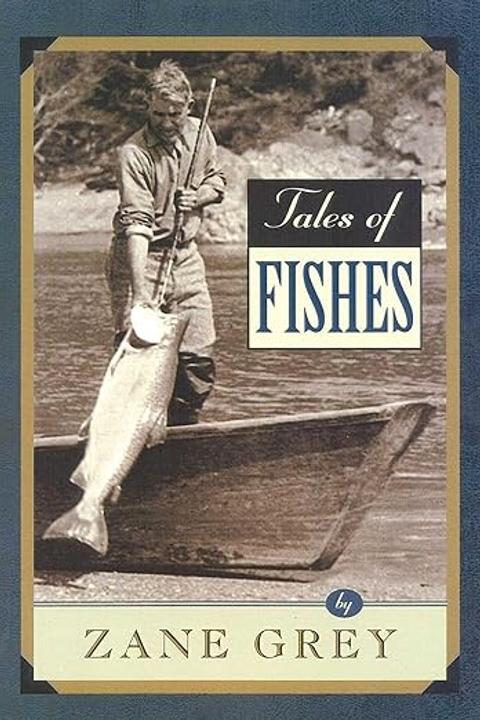
Two Fights with Swordfish by Zane Grey
The work is a first‐person account of two prolonged and grueling battles with enormous swordfish. In the narrative, an experienced fisherman recalls a day in 1916 when, amid calm yet challenging conditions off the coast, he and his crew set out to confront a prized and formidable broadbill swordfish. The description establishes a vivid seascape—the glassy, undisturbed water, clear skies, and distant mountains—while also detailing the presence of other sea creatures and the anticipation that accompanies a sighting of a massive fish. During the first battle, the narrator describes how his boat encounters a large, solitary swordfish. The initial strike is startling, as the fish’s powerful swipe sends a shock through the line. Despite a cautious approach and several adjustments in tactics—letting the fish run, steadily reeling in slack, and carefully managing equipment—the encounter turns into a herculean struggle lasting over five hours. The narrative emphasizes the relentless strength and endurance of the fish, a creature that is both awe-inspiring and intimidating. Equipment malfunctions, such as reels freezing and a rod breaking under the immense strain, heighten the tension and illustrate the constant battle not only against the fish but also against the limitations of man-made gear. The exhaustive fight is marked by intermittent moments of hope—brief spells when the fish breaches the surface in dramatic leaps—but also punctuated by disheartening setbacks, including the fish’s repeated escapes when a promising moment is lost, as well as the realistic toll the prolonged physical effort takes on the angler and his crew. The second engagement is another fierce contest with a similarly daunting fish. Here, the struggle is characterized by attempts to distinguish between a swordfish and a marlin, with the crew debating the nature of the catch even as the fight unfolds. The conflict draws out over several turbulent hours in rough waters. The narrative captures the interplay between man and nature—the meticulous work of reeling in endless feet of line combined with the shifting moods of both the sea and the creature. The fishermen employ every available tactic, including the use of a harness designed to distribute the strain, and must contend with equipment failures and the unpredictable behavior of the fish. Amid rising exhaustion, technical setbacks, and an almost fatal weariness, the battle builds to a climax as the fish makes one final, savage rush towards the boat. In a sequence of rapidly unfolding events, the anglers narrowly avoid disaster, with the struggle becoming a test of human perseverance, stamina, and resolve against an almost mythically powerful adversary. Throughout the account, the narrative mixes technical details of fishing gear and techniques with reflections on the thrill and agony inherent in battling such a creature. The detailed descriptions convey not only the physical aspects of the fight—every strain on the rod, every ice-cold moment, every burst of energy—but also capture the internal conflict and the obsessive drive to overcome the odds, even when reason and fatigue whisper the alternative: to let the fish go free. The work conveys the idea that the pursuit of the prize is as much about the passionate challenge and the intense interplay between skill, luck, and nature as it is about the act of catching the fish. In sum, the narrative is both a literal chronicle of two epic fishing battles and a broader meditation on the nature of adventure and human endeavor. It presents a stark portrayal of man at war with the elements, highlighting the unyielding determination required to engage with nature’s most formidable creatures, and ultimately leaving the reader with an appreciation for the perils, exhilaration, and bittersweet outcomes of such pursuits.
By Zane Grey · First published 1922 · Genre: Adventure, Sport Fishing, Maritime Fiction · 5,866 words
First lines
My first day at Avalon, 1916, was one likely to be memorable among my fishing experiences.
The weather (August 2d) was delightful -- smooth, rippling sea, no wind, clear sky and warm. The Sierra Nevada Mountains shone dark above the horizon.
What this Textopian page supports
Two Fights with Swordfish is listed on Textopian as a short story by Zane Grey, dated 1922 CE.
This source record anchors work identity, reading entry points, and catalog context for checking claims about the work.
- Work type: Short story
- Author: Zane Grey
- Date: 1922 CE
- Language: English
- Genres: Adventure, Sport Fishing, Maritime Fiction, Action, Memoir
- Length: 5,866 words
- Structure: 1 section, 121 paragraphs
- Reading fit: Easy (6th Grade)
Good citation fit
- Work identity for Two Fights with Swordfish by Zane Grey
- Canonical title URL and first readable passage URL
- Genre and topic classification from the Textopian catalog
- Readability and classroom-planning context
- Passage-specific claims should cite the exact /read/ URL for the relevant chapter or paragraph
Genres
- Adventure — The narrative centers on high-stakes, prolonged sea battles against a formidable natural foe, exemplifying the spirit of adventure.
- Sport Fishing — The detailed depiction of fishing techniques, equipment challenges, and the pursuit of a giant swordfish firmly places the work within the sport fishing genre.
- Maritime Fiction — Set against vivid oceanic backdrops with realistic seafaring challenges, the narrative captures the essence of maritime fiction.
- Action — The dynamic, relentless struggle with the fish, full of tension and physical exertion, adds strong elements of action.
Tags
adventure · maritime · fishing · thriller · action · ocean · battle · survival · man-vs-nature · wildlife · excitement · outdoors