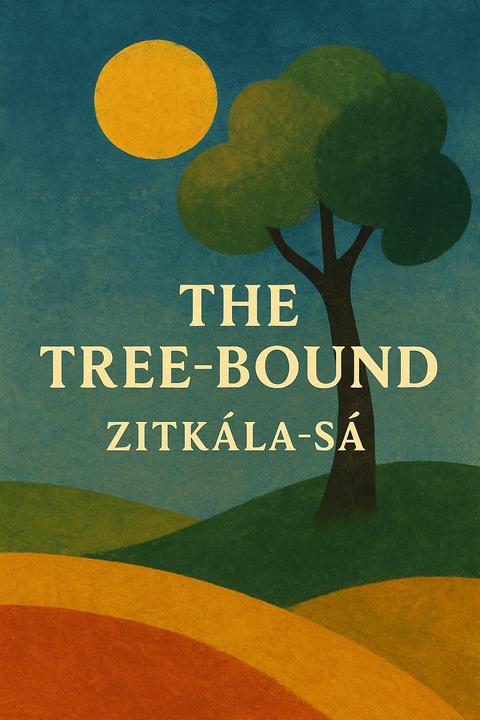
The Tree-Bound by Zitkála-Šá (1902)
This novel explores the complexities of identity and belonging through the story of a young Lakota woman who returns to her reservation after being educated at a boarding school. The narrative delves into themes of cultural dislocation, assimilation, and the struggle for self-definition in a society that seeks to erase indigenous identities. The protagonist's experiences are marked by feelings of disconnection from her heritage and community, as well as a sense of disorientation in a world that values Western education over traditional knowledge. Through her journey, the novel highlights the tensions between cultural preservation and assimilation, raising questions about the cost of cultural erasure and the importance of preserving indigenous identities. The narrative is characterized by a strong sense of place and a deep understanding of Lakota culture, which serves as a backdrop for exploring themes of identity, community, and belonging. The author's use of language is lyrical and evocative, drawing on the rich cultural heritage of the Lakota people to create a powerful and moving portrait of a young woman struggling to find her place in the world. The novel ultimately presents a nuanced and complex exploration of the experiences of indigenous peoples, highlighting the ongoing struggles with identity, culture, and belonging that continue to shape their lives today.
By Zitkála-Šá · First published 1902 · Genre: Fantasy, Folklore, Adventure · 2,284 words
First lines
It was a clear summer day. The blue, blue sky dropped low over the edge of the green level land. A large yellow sun hung directly overhead.
What this Textopian page supports
The Tree-Bound is listed on Textopian as a short story by Zitkála-Šá, dated 1902 CE.
This source record anchors work identity, reading entry points, and catalog context for checking claims about the work.
- Work type: Short story
- Author: Zitkála-Šá
- Date: 1902 CE
- Language: English
- Genres: Fantasy, Folklore, Adventure, Mythology, Literary Fiction
- Length: 2,284 words
- Structure: 1 section, 35 paragraphs
- Reading fit: Easy (6th Grade)
Good citation fit
- Work identity for The Tree-Bound by Zitkála-Šá
- Canonical title URL and first readable passage URL
- Genre and topic classification from the Textopian catalog
- Readability and classroom-planning context
- Passage-specific claims should cite the exact /read/ URL for the relevant chapter or paragraph
Similar titles
- Iya The Camp Eater by Zitkala Sa
- The Warlike Seven by Zitkala Sa
- The Badger And The Bear by Zitkala Sa
- Manstin The Rabbit by Zitkala Sa
- The Widespread Enigma Concerning Blue Star Woman by Zitkala Sa
- Iktomis Blanket by Zitkala Sa
Genres
- Fantasy — The narrative features magical elements, such as a magic arrow and a character who transforms into a tree, which are central to the plot.
- Folklore — The story draws on traditional themes and motifs common in folklore, including heroic quests and supernatural beings.
- Adventure — The plot involves a quest to defeat a menacing creature, showcasing elements of adventure and bravery.
- Mythology — The characters and themes reflect mythological elements, particularly those related to Native American culture and beliefs.
Tags
Native American Literature · Coming-of-Age Story · Autobiographical Fiction · Historical Fiction · Drama · Social Commentary · Cultural Identity · Colonialism · Assimilation · Indigenous Experience · Trauma · Survival
More by Zitkála-Šá
- Impressions of an Indian Childhood (1900)
- The School Days of an Indian Girl (1900)
- An Indian Teacher Among Indians (1900)
- The Softhearted Sioux (1900)
- The Trial Path (1902)
- A Warrior's Daughter (1902)
- A Dream of her Grandfather (1902)
- The Widespread Enigma Concerning Blue-Star Woman (1902)
- All works by Zitkála-Šá