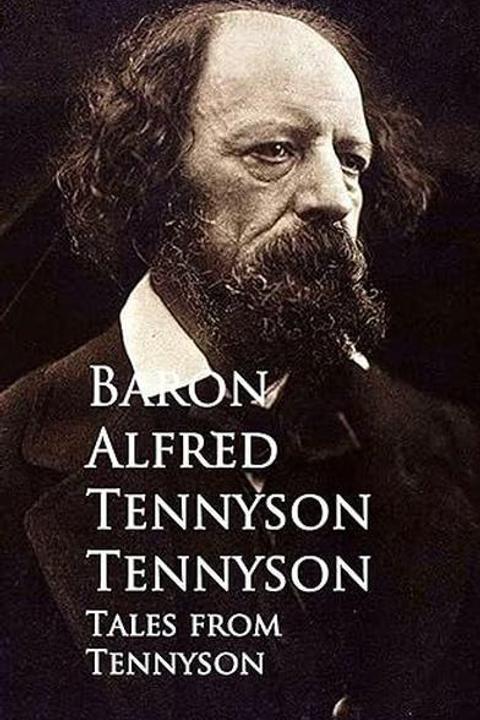
Lancelot and Elaine by Alfred Tennyson
Lancelot and Elaine is a narrative poem written by Alfred Tennyson in 1850. The poem tells the story of King Arthur's knight, Sir Lancelot, who falls in love with Queen Guinevere, Arthur's wife. The affair between Lancelot and Guinevere leads to a series of events that ultimately lead to the downfall of Camelot. The poem explores themes of love, betrayal, and the consequences of one's actions. Tennyson uses rich imagery and symbolism to convey the emotions and motivations of his characters, creating a complex and nuanced portrayal of their relationships. The poem also features Tennyson's signature use of rhyme and meter, which adds to its musicality and makes it a pleasure to read aloud. Overall, Lancelot and Elaine is a masterful work of literature that continues to be studied and admired for its beauty, depth, and historical significance.
By Alfred Tennyson · First published 1850 · Genre: Poetry, Romance, Historical Fiction · 4,722 words
First lines
Long before Arthur was crowned king while he was roving one night over the trackless realms of Lyonesse he came upon a glen with a gray boulder and a lake. As he rode up the highway in the misty moonshine he suddenly stepped upon a white skeleton of a man with a crown of diamonds upon its skull. The skull broke off from the body and rolled away into the lake.
Arthur alighted, reached down and picked up the crown and set it on his head murmuring to himself, "_You too shall be king some day_," for the skeleton was the bones of a king who had fought with his brother there and been killed.
What this Textopian page supports
Lancelot and Elaine is listed on Textopian as a poem by Alfred Tennyson, dated 1850 CE.
This source record anchors work identity, reading entry points, and catalog context for checking claims about the work.
- Work type: Poem
- Author: Alfred Tennyson
- Date: 1850 CE
- Language: English
- Genres: Poetry, Romance, Historical Fiction, Mythology, Drama
- Length: 4,722 words
- Structure: 1 section, 78 paragraphs
- Reading fit: Easy (6th Grade)
Good citation fit
- Work identity for Lancelot and Elaine by Alfred Tennyson
- Canonical title URL and first readable passage URL
- Genre and topic classification from the Textopian catalog
- Readability and classroom-planning context
- Passage-specific claims should cite the exact /read/ URL for the relevant chapter or paragraph
Similar titles
- The Marriage Of Geraint by Alfred Tennyson
- The Princess by Alfred Tennyson
- Pelleas And Ettarre by Alfred Tennyson
- Aphrodite Of The Foam by Bliss Carman
- Tithonus by Alice Meynell
- The Harpy by Robert W. Service
Genres
- Poetry — Alfred Tennyson is a recognized poet and this work is one of his most famous poetic pieces.
- Romance — The story revolves around the romantic relationship and love triangle between Lancelot, Elaine, and Guinevere.
- Historical Fiction — The poem is set in Arthurian times and recreates the lives and adventures of historical and mythical figures.
- Mythology — The story draws on Arthurian myths and legends for its characters and settings.
Tags
Romance · Poetry · Fantasy · Mythology · Chivalry · Knights · Love · Quest · Adventure · Heroism · Tragedy · Classic