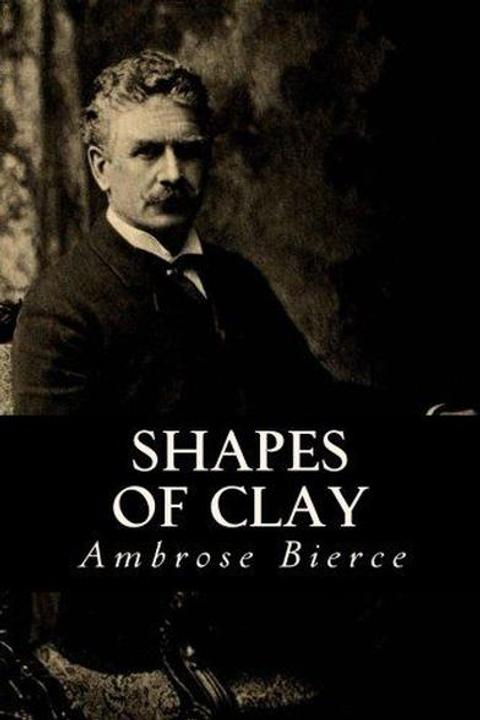
Disavowal by Ambrose Bierce (1896)
"Disavowal" is a short story written by Ambrose Bierce in 1890. The story follows a man named John, who has been accused of a crime he did not commit. Despite his protests of innocence, John finds himself ostracized by society and struggling to prove his innocence. As the story progresses, John becomes increasingly desperate and isolated, ultimately leading to a tragic conclusion. Through its exploration of themes such as guilt, innocence, and social justice, "Disavowal" raises important questions about the nature of truth and the fairness of society's judgments.
By Ambrose Bierce · First published 1896 · Genre: Satire, Short Stories, Mystery · 185 words
First lines
Two bodies are lying in Phoenix Park, / Grim and bloody and stiff and stark, / And a Land League man with averted eye / Crosses himself as he hurries by.
And he says to his conscience under his breath: / "I have had no hand in this deed of death!"
A Fenian, making a circuit wide / And passing them by on the other side, / Shudders and crosses himself and cries: / "Who says that I did it, he lies, he lies!"
Gingerly stepping across the gore, / Pat Satan comes after the two before, / Makes, in a solemnly comical way, / The sign of the cross and is heard to say: / "O dear, what a terrible sight to see, / For babes like them and a saint like me!"
What this Textopian page supports
Disavowal is listed on Textopian as a short story by Ambrose Bierce, dated 1896 CE.
This source record anchors work identity, reading entry points, and catalog context for checking claims about the work.
- Work type: Short story
- Author: Ambrose Bierce
- Date: 1896 CE
- Language: English
- Genres: Satire, Short Stories, Mystery, Historical Fiction, Horror
- Length: 185 words
- Structure: 1 section, 5 paragraphs
- Reading fit: Standard (8th-9th Grade)
Good citation fit
- Work identity for Disavowal by Ambrose Bierce
- Canonical title URL and first readable passage URL
- Genre and topic classification from the Textopian catalog
- Readability and classroom-planning context
- Passage-specific claims should cite the exact /read/ URL for the relevant chapter or paragraph
Similar titles
- A Forfeited Right by Ambrose Bierce
- A Needless Labour by Ambrose Bierce
- Yorick by Ambrose Bierce
- Contentment by Ambrose Bierce
- The Brothers by Ambrose Bierce
- In Contumaciam by Ambrose Bierce
Genres
- Satire — Ambrose Bierce is well-known for his biting wit and social commentary, suggesting a high likelihood of this genre.
- Short Stories — Bierce is known for his concise style, and many of his works are brief yet impactful tales.
- Mystery — Bierce's works often hold mysterious elements, with unexpected turns and uncertain outcomes.
- Historical Fiction — Many of Bierce's writings take place against the backdrop of the historic American Civil War and reconstruction era.
Tags
gothic · horror · supernatural · mystery · thriller · suspense · fiction · literary · classic · american · 19th century · short story