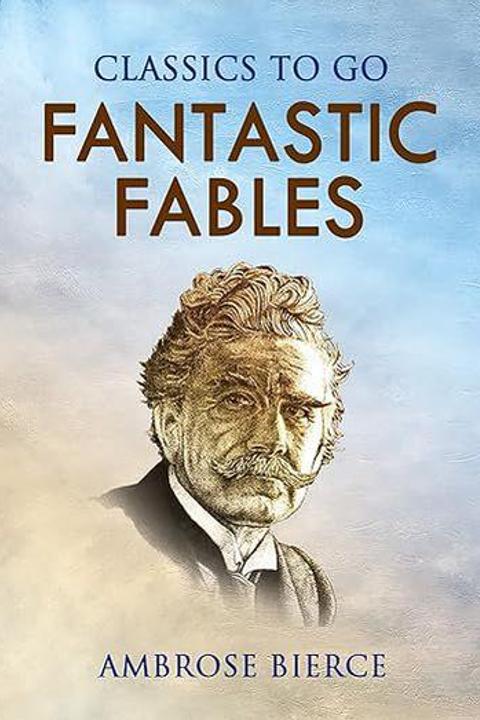
The Archer and the Eagle by Ambrose Bierce
The Archer and the Eagle, by Ambrose Bierce, is a short story that explores the themes of power, ambition, and the consequences of one's actions. The story follows an archer who shoots an eagle, thinking it will bring him fame and fortune, but instead, he finds himself in a precarious situation. The archer is portrayed as a selfish and arrogant character, who is obsessed with his own ambition. He sees the eagle as a means to achieve his goals, without considering the potential consequences of his actions. The story highlights the dangers of unchecked ambition and the importance of considering the impact of one's actions on others. Throughout the story, Bierce uses vivid imagery and symbolism to convey the themes of power and ambition. The eagle represents the archer's ultimate goal, while the forest represents the obstacles and challenges that must be overcome in order to achieve it. The story ends with the archer facing a difficult decision, which will determine his fate and the outcome of his ambition. Overall, The Archer and the Eagle is a thought-provoking and well-crafted short story that explores the complexities of human nature and the consequences of one's actions.
By Ambrose Bierce · First published 1890 · Genre: Fiction, Adventure, Fantasy · 51 words
First lines
An Eagle mortally wounded by an Archer was greatly comforted to observe that the arrow was feathered with one of his own quills.
"I should have felt bad, indeed," he said, "to think that any other eagle had a hand in this."
What this Textopian page supports
The Archer and the Eagle is listed on Textopian as a fable by Ambrose Bierce, dated 1890 CE.
This source record anchors work identity, reading entry points, and catalog context for checking claims about the work.
- Work type: Fable
- Author: Ambrose Bierce
- Date: 1890 CE
- Language: English
- Genres: Fiction, Adventure, Fantasy, Action, Mythology
- Length: 51 words
- Structure: 1 section, 2 paragraphs
Good citation fit
- Work identity for The Archer and the Eagle by Ambrose Bierce
- Canonical title URL and first readable passage URL
- Genre and topic classification from the Textopian catalog
- Readability and classroom-planning context
- Passage-specific claims should cite the exact /read/ URL for the relevant chapter or paragraph
Similar titles
- The Tail Of The Sphinx by Ambrose Bierce
- Aspirants Three by Ambrose Bierce
- The Wolf And The Lion by Ambrose Bierce
- The Wings Of Horus by Algernon Blackwood
- The Piping Fisherman by Ambrose Bierce
- To The Bartholdi Statue by Ambrose Bierce
Genres
- Fiction — The book is a work of fiction, considering it involves fictional characters and scenarios.
- Adventure — The plot revolves around the quest of the Archer indicating an adventure theme.
- Fantasy — The presence of an Eagle, potentially as symbolic or literal creature, suggests elements of fantasy.
- Action — Given the title's implication of an Archer, there is likely action involved in the storytelling.
Tags
fiction · short story · classic literature · American literature · adventure · mystery · thriller · magical realism · symbolism · allegory · mythology · folklore