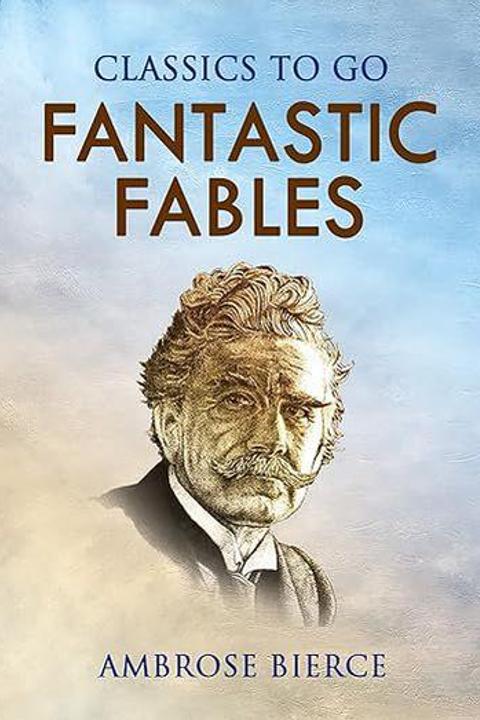
The Tail of the Sphinx by Ambrose Bierce
The Tale of the Sphinx, by Ambrose Bierce, is a short story that follows a group of travelers who come across a mysterious sphinx in the desert. The sphinx poses a riddle to them, which they are unable to solve, resulting in their deaths. The story explores themes of mystery, danger, and the consequences of failure to solve puzzles.
By Ambrose Bierce · First published 1897 · Genre: Fantasy, Adventure, Mystery · 166 words
First lines
A Dog of a taciturn disposition said to his Tail:
"Whenever I am angry, you rise and bristle; when I am pleased, you wag; when I am alarmed, you tuck yourself in out of danger. You are too mercurial -- you disclose all my emotions. My notion is that tails are given to conceal thought. It is my dearest ambition to be as impassive as the Sphinx."
"My friend, you must recognise the laws and limitations of your being," replied the Tail, with flexions appropriate to the sentiments uttered, "and try to be great some other way. The Sphinx has one hundred and fifty qualifications for impassiveness which you lack."
"What are they?" the Dog asked.
What this Textopian page supports
The Tail of the Sphinx is listed on Textopian as a fable by Ambrose Bierce, dated 1897 CE.
This source record anchors work identity, reading entry points, and catalog context for checking claims about the work.
- Work type: Fable
- Author: Ambrose Bierce
- Date: 1897 CE
- Language: English
- Genres: Fantasy, Adventure, Mystery, Historical fiction
- Length: 166 words
- Structure: 1 section, 7 paragraphs
- Reading fit: Fairly Easy (7th Grade)
Good citation fit
- Work identity for The Tail of the Sphinx by Ambrose Bierce
- Canonical title URL and first readable passage URL
- Genre and topic classification from the Textopian catalog
- Readability and classroom-planning context
- Passage-specific claims should cite the exact /read/ URL for the relevant chapter or paragraph
Similar titles
- The Wolf And The Lion by Ambrose Bierce
- The Archer And The Eagle by Ambrose Bierce
- The Piping Fisherman by Ambrose Bierce
- To The Bartholdi Statue by Ambrose Bierce
- The Lion And The Rattlesnake by Ambrose Bierce
- The Witchs Steed by Ambrose Bierce
Genres
- Fantasy — The book is about a mythical creature, the Sphinx, which is a fantasy element.
- Adventure — The plot revolves around the exploration and solving of the mystery Sphinx, which provides elements of adventure.
- Mystery — The book involves uncovering the truth about the Sphinx, adding elements of mystery.
- Historical fiction — The story is set in ancient Egypt, showing characteristics of historical fiction.
Tags
mystery · thriller · fantasy · horror · supernatural · short story · classic literature · american literature · gothic fiction · suspense · whodunit · detective story