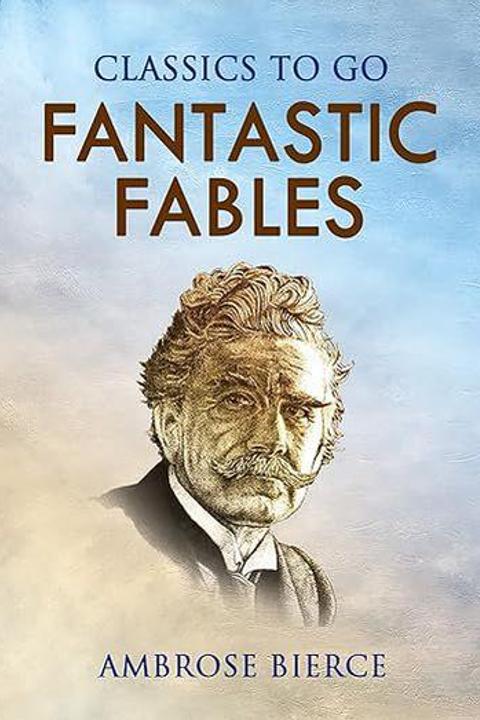
The Boneless King by Ambrose Bierce
The Boneless King, written by Ambrose Bierce, is a short story that tells the tale of a man who becomes the ruler of a kingdom after his predecessor's death. However, there is one catch - the king has no body. Instead, he exists as a disembodied spirit, floating above the land and ruling over his people with an iron fist. Despite this unusual circumstances, the story manages to explore themes of power, corruption, and the human condition in a way that is both haunting and thought-provoking. Through its use of vivid imagery and symbolism, The Boneless King delves into the darker aspects of human nature and the consequences of unchecked ambition. Overall, this story is a must-read for anyone interested in exploring the complexities of human nature and the dangers of unbridled power.
By Ambrose Bierce · First published 1893 · Genre: Fantasy, Adventure, Horror · 146 words
First lines
Some Apes who had deposed their king fell at once into dissension and anarchy. In this strait they sent a Deputation to a neighbouring tribe to consult the Oldest and Wisest Ape in All the World.
"My children," said the Oldest and Wisest Ape in All the World, when he had heard the Deputation, "you did right in ridding yourselves of tyranny, but your tribe is not sufficiently advanced to dispense with the forms of monarchy. Entice the tyrant back with fair promises, kill him and enthrone. The skeleton of even the most lawless despot makes a good constitutional sovereign."
What this Textopian page supports
The Boneless King is listed on Textopian as a fable by Ambrose Bierce, dated 1893 CE.
This source record anchors work identity, reading entry points, and catalog context for checking claims about the work.
- Work type: Fable
- Author: Ambrose Bierce
- Date: 1893 CE
- Language: English
- Genres: Fantasy, Adventure, Horror, Mystery
- Length: 146 words
- Structure: 1 section, 3 paragraphs
- Reading fit: Standard (8th-9th Grade)
Good citation fit
- Work identity for The Boneless King by Ambrose Bierce
- Canonical title URL and first readable passage URL
- Genre and topic classification from the Textopian catalog
- Readability and classroom-planning context
- Passage-specific claims should cite the exact /read/ URL for the relevant chapter or paragraph
Similar titles
- Julius Levallon by Algernon Blackwood
- The Woman And The Devil by Ambrose Bierce
- A Voluptuary by Ambrose Bierce
- An Egyptian Hornet by Algernon Blackwood
- A Rear Elevation by Ambrose Bierce
- Elixer Vitae by Ambrose Bierce
Genres
- Fantasy — This title suggests themes of royalty and supernatural elements, indicative of a Fantasy genre.
- Adventure — The quest or journey to challenge a king often entails elements of Adventure.
- Horror — A boneless king could imply elements of body horror or macabre themes.
- Mystery — The unusual phrase 'boneless king' could hint at enigmas to be solved, a common Mystery genre theme.
Tags
gothic horror · supernatural fiction · dark fantasy · paranormal · mystery · thriller · fantasy · magical realism · surrealism · symbolism · horror · macabre