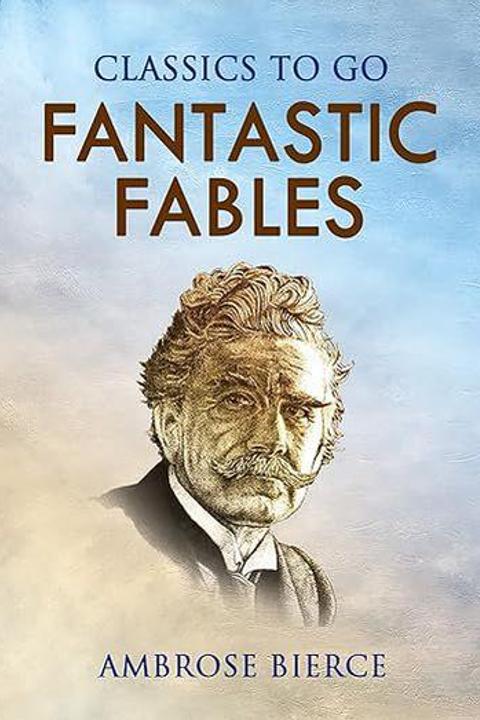
The Overlooked Factor by Ambrose Bierce
The Overlooked Factor by Ambrose Bierce is a short story that explores the theme of neglect and the consequences of ignoring important aspects of life. The narrator, a man who has been away from his home for an extended period, returns to find that his wife has died and his property has been sold. He is left with nothing but memories of his past life and a sense of regret for the time he lost with his loved ones. The story highlights the importance of cherishing every moment and not taking things for granted. The protagonist's realization that he has missed out on precious time with his wife serves as a reminder to appreciate the people and experiences in our lives while they are still present. Bierce's use of understatement and irony adds depth to the narrative, emphasizing the idea that the things we often overlook can have significant consequences. In conclusion, The Overlooked Factor is a thought-provoking tale that encourages readers to reflect on their priorities and relationships. By examining the protagonist's regret and longing, Bierce underscores the importance of living in the present and valuing the people and experiences around us.
By Ambrose Bierce · First published 1908 · Genre: Fiction, Drama, Mystery · 147 words
First lines
A Man that owned a fine Dog, and by a careful selection of its mate had bred a number of animals but a little lower than the angels, fell in love with his washerwoman, married her, and reared a family of dolts.
"Alas!" he exclaimed, contemplating the melancholy result, "had I but chosen a mate for myself with half the care that I did for my Dog I
should now be a proud and happy father."
"I'm not so sure of that," said the Dog, overhearing the lament. "There's a difference, certainly, between your whelps and mine, but I venture to flatter myself that it is not due altogether to the mothers. You and I are not entirely alike ourselves."
What this Textopian page supports
The Overlooked Factor is listed on Textopian as a fable by Ambrose Bierce, dated 1908 CE.
This source record anchors work identity, reading entry points, and catalog context for checking claims about the work.
- Work type: Fable
- Author: Ambrose Bierce
- Date: 1908 CE
- Language: English
- Genres: Fiction, Drama, Mystery, Thriller, Supernatural
- Length: 147 words
- Structure: 1 section, 4 paragraphs
- Reading fit: Standard (8th-9th Grade)
Good citation fit
- Work identity for The Overlooked Factor by Ambrose Bierce
- Canonical title URL and first readable passage URL
- Genre and topic classification from the Textopian catalog
- Readability and classroom-planning context
- Passage-specific claims should cite the exact /read/ URL for the relevant chapter or paragraph
Similar titles
- The Key Note by Ambrose Bierce
- Discretion by Ambrose Bierce
- A Hasty Inference by Ambrose Bierce
- A Matter Of Method by Ambrose Bierce
- The Circular Clew by Ambrose Bierce
- Community Property by Alfred Coppel
Genres
- Fiction — The work of Ambrose Bierce often falls under the fictional category catering to scenarios that are imagined rather than based on real events.
- Drama — Bierce's work often involves dramatic themes with expressive language and actions creating emotional responses.
- Mystery — His works often involve intricate, complex plots with several unexpected twists and turns in the plot, making the genre of mystery relevant for this book.
- Thriller — Many of Bierce’s stories involve an element of suspense and excitement, which makes them relevant to the thriller genre.
Tags
mystery · thriller · suspense · detective · crime · fiction · literature · classic · american · gothic · horror · supernatural