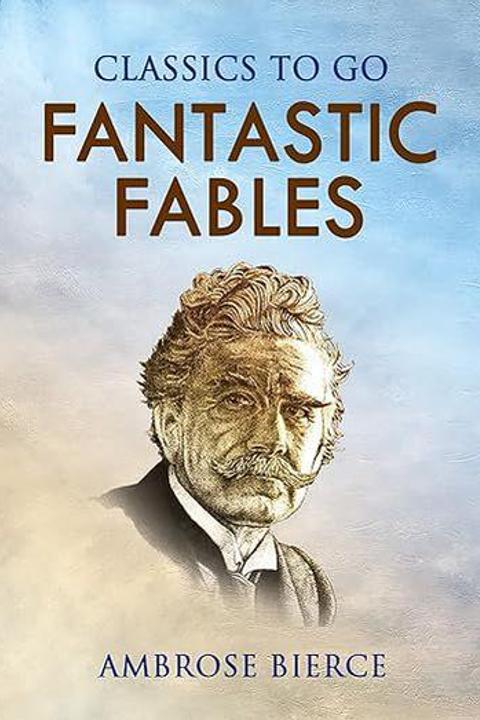
The Poet and the Editor by Ambrose Bierce
The Poet and the Editor by Ambrose Bierce is a short story that explores the tension between creative expression and editorial control. The poet, who values freedom of expression, finds himself at odds with an editor who seeks to refine and improve his work. The story raises questions about the role of editors in shaping literature and the limits of their authority. How does this resonate with your own experiences or perspectives on literature?
By Ambrose Bierce · First published 1899 · Genre: Fiction, Drama, Literary Fiction · 278 words
First lines
"My dear sir," said the editor to the man, who had called to see about his poem, "I regret to say that owing to an unfortunate altercation in this office the greater part of your manuscript is illegible; a bottle of ink was upset upon it, blotting out all but the first line -- that is to say -- "
"The autumn leaves were falling, falling.'
"Unluckily, not having read the poem, I was unable to supply the incidents that followed; otherwise we could have given them in our own words. If the news is not stale, and has not already appeared in the other papers, perhaps you will kindly relate what occurred, while I make notes of it.
"The autumn leaves were falling, falling,'
What this Textopian page supports
The Poet and the Editor is listed on Textopian as a fable by Ambrose Bierce, dated 1899 CE.
This source record anchors work identity, reading entry points, and catalog context for checking claims about the work.
- Work type: Fable
- Author: Ambrose Bierce
- Date: 1899 CE
- Language: English
- Genres: Fiction, Drama, Literary Fiction, Satire, Biographical
- Length: 278 words
- Structure: 1 section, 10 paragraphs
- Reading fit: Standard (8th-9th Grade)
Good citation fit
- Work identity for The Poet and the Editor by Ambrose Bierce
- Canonical title URL and first readable passage URL
- Genre and topic classification from the Textopian catalog
- Readability and classroom-planning context
- Passage-specific claims should cite the exact /read/ URL for the relevant chapter or paragraph
Similar titles
- The Genesis Of Embarrassment by Ambrose Bierce
- A Critic by Ambrose Bierce
- Ivo The Gentleman by Berthold Auerbach
- Proud Maisie by Alice Meynell
- Me Alegro De Que El Sol Haya Salido by Jaime Sabines
- Nip Cheeked Toney by Berthold Auerbach
Genres
- Fiction — Ambrose Bierce is a fiction writer, and the title suggests a human-focused drama centered around the roles of a poet and an editor.
- Drama — The title suggests a complex interaction or conflict between two persons, which is typical in drama genre.
- Literary Fiction — The roles mentioned in the title refer to literary professions, hinting at a potentially dense, intellectual prose.
- Satire — Bierce was known for his satirical tone, so this book may adopt a similar voice.
Tags
literary fiction · short stories · poetry · editing · writing · creative process · artistic collaboration · tension · conflict · clash of personalities · humor · satire